JOURNAL

by kivo.skin
Feature Story

Guide to Understanding Your Skin Insights and Data

“I destroyed my barrier with a 10-step routine so you don't have to.” If you’ve ever felt overwhelmed by the sheer volume of skincare products on the market, or confused by the myriad of advice available online, you’re not alone. Many of us have been led to believe that a complex, multi-step routine is the key to healthy skin. Yet, in the pursuit of the perfect regimen, we often overlook the fundamental aspect of skincare: understanding our skin's unique needs and how to interpret the data surrounding it. This guide will demystify the process of understanding your skin insights and data, empowering you to make informed decisions about your skincare routine.

The Problem: Misunderstanding Skin Needs

The skincare industry is inundated with products promising miracles, but the reality is that many of us are using products that don’t cater to our specific skin conditions or types. A common mistake is the belief that more is better. For instance, layering multiple serums can lead to irritation rather than improvement. A study published in the Journal of Dermatological Science indicates that over-treatment can exacerbate skin concerns, particularly in sensitive skin types. Many consumers are unaware that the key to effective skincare lies in understanding their own skin's unique insights and data.

Consider the case of Sarah, a 28-year-old who followed a popular 10-step Korean skincare routine. Initially, her skin felt hydrated and plump, but within weeks, she noticed increased redness and sensitivity. Instead of simplifying her routine, she added more products, thinking this would solve her problems. However, her skin was crying out for a less complicated approach. This scenario is not uncommon; many individuals find themselves caught in a cycle of trial and error, often resulting in more harm than good.

Moreover, the lack of personalized skincare solutions makes it challenging to identify what actually works for your skin. With so many products claiming to target specific issues, how does one discern which ingredients are beneficial and which are not? This is where understanding skin insights and data becomes crucial. Without this knowledge, consumers may waste time and money on products that do not address their unique skin concerns.

Lastly, the emotional toll of skincare fails cannot be overlooked. The pressure to achieve a flawless complexion can lead to frustration and self-doubt. Many individuals feel inadequate when their skin does not respond positively to a regimen that worked for someone else. Instead of fostering a sense of empowerment, the skincare journey can feel like a chore, filled with anxiety and disappointment. This is why understanding your skin insights is not merely a trend; it is a necessary step toward achieving a healthy, glowing complexion.

The Science: How Skin Insights and Data Actually Work


💡 Understanding your unique skin type is the first step. Kivo.skin makes it easy with AI-powered analysis.


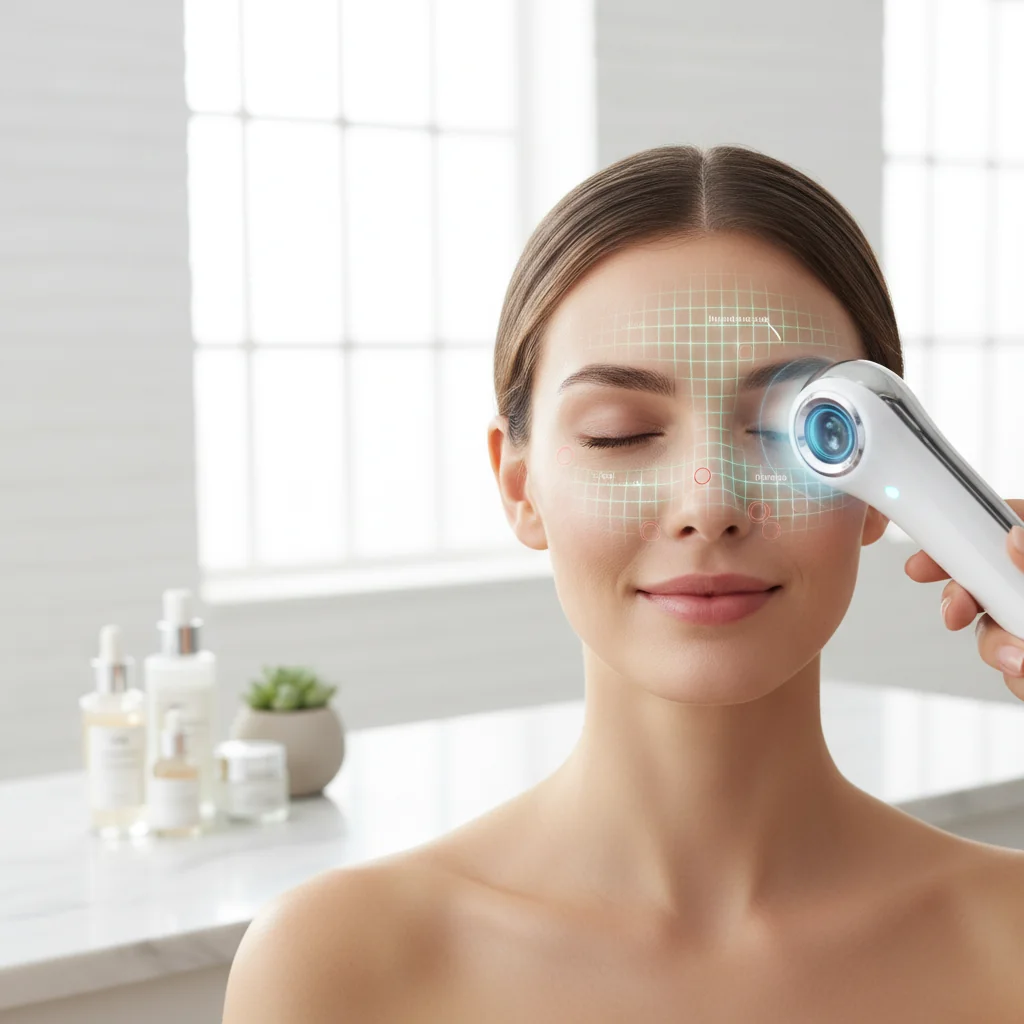
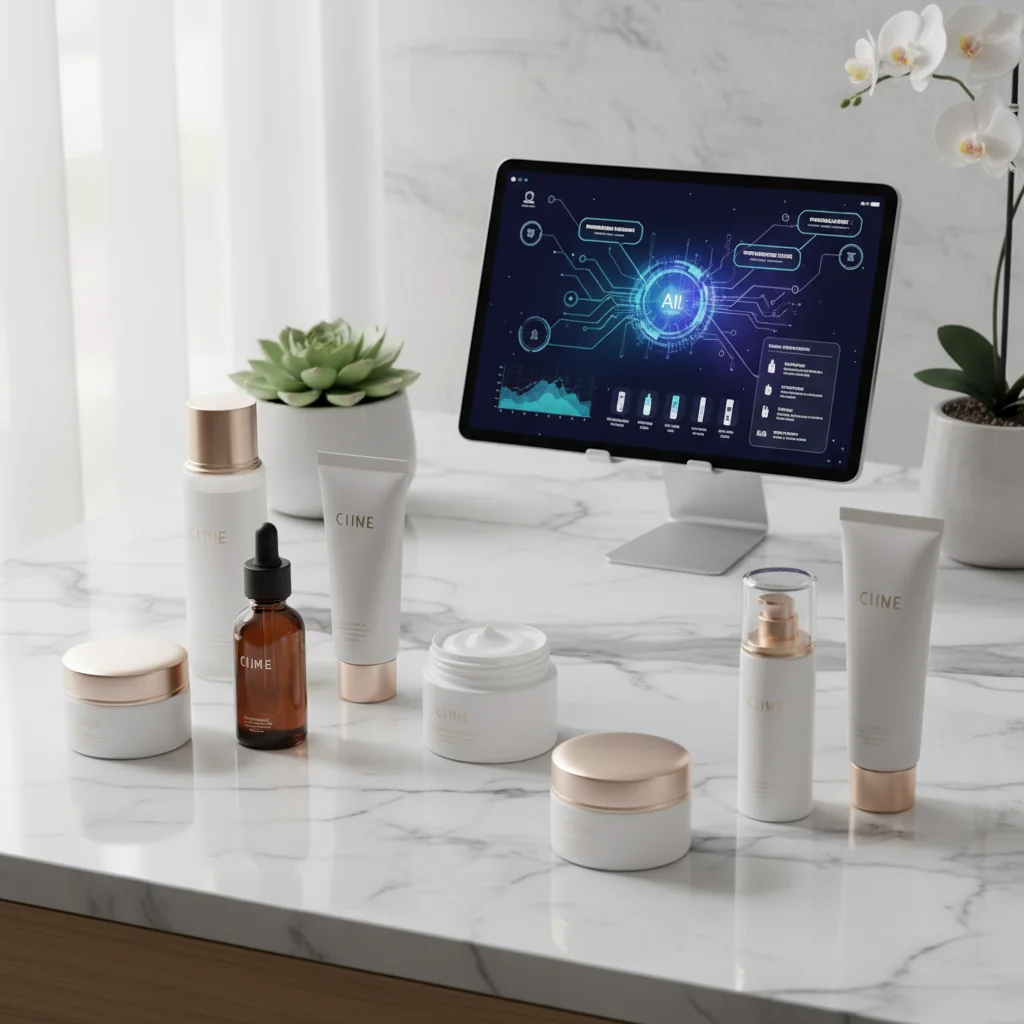
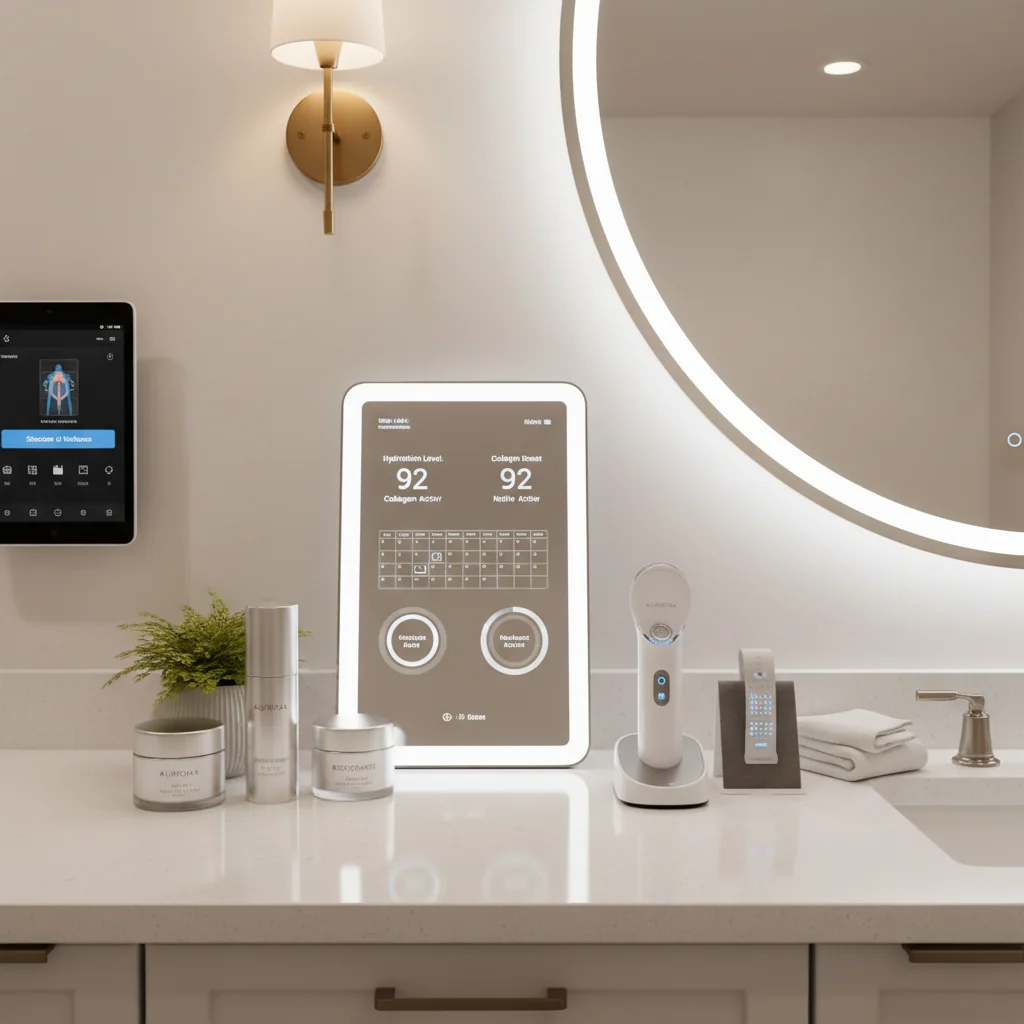
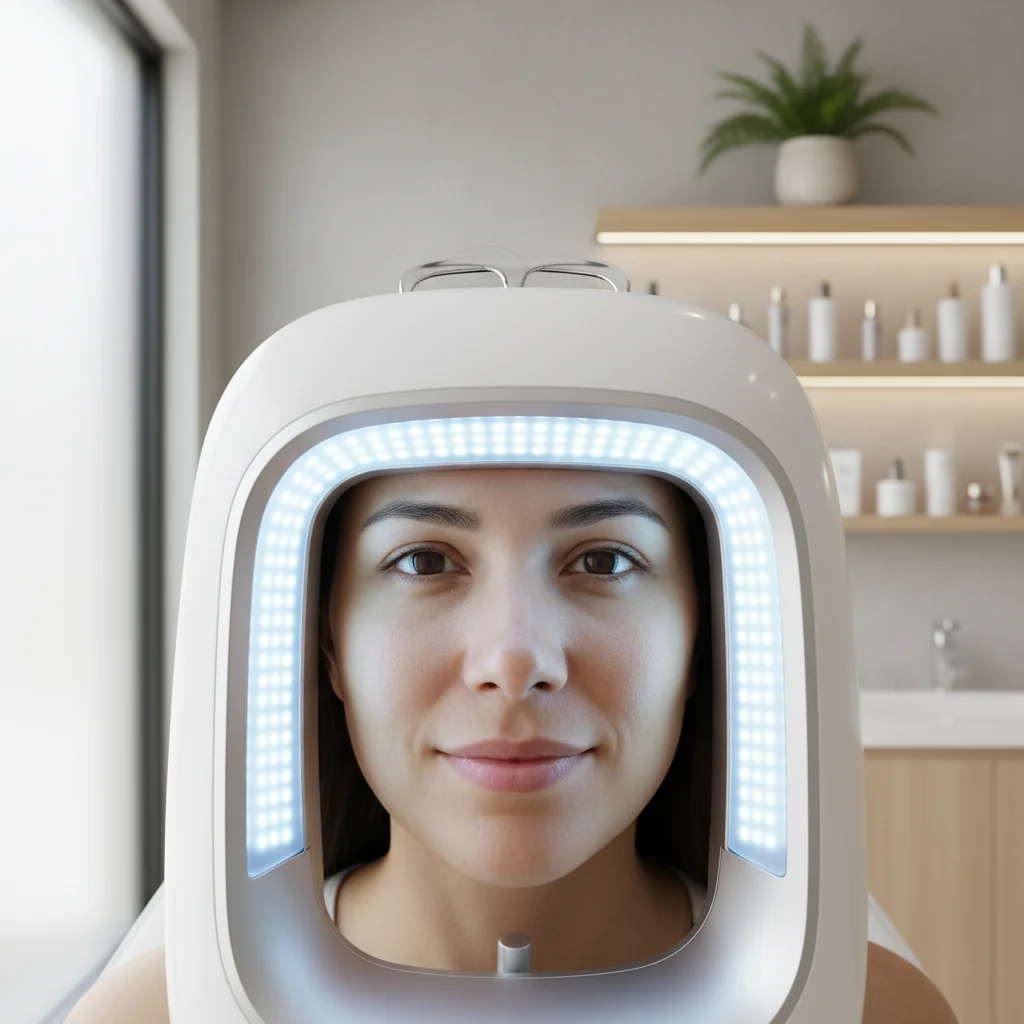
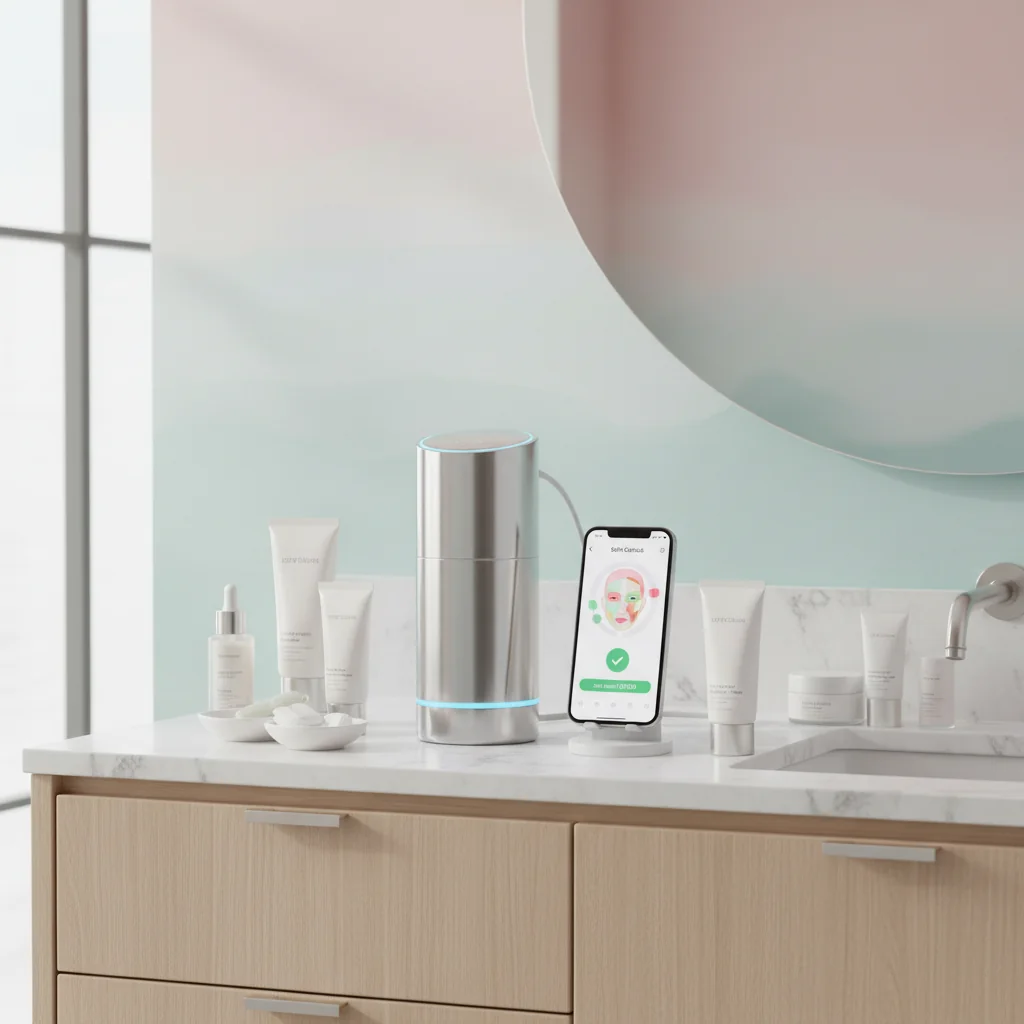
Understanding your skin insights begins with recognizing what these insights entail. Skin insights refer to the data collected from various assessments of your skin's condition, including hydration levels, oil production, pigmentation, and sensitivity. This data can be gathered through AI-powered skin analysis tools, which provide personalized recommendations based on your unique skin profile.

At the cellular level, our skin is composed of multiple layers, each with distinct functions. The outermost layer, the stratum corneum, acts as a barrier to protect underlying layers from environmental aggressors and moisture loss. When this barrier is compromised, issues such as dryness, irritation, and inflammation can arise. Ingredients like ceramides and hyaluronic acid are known to support the skin barrier, promoting hydration and resilience. According to Dr. Shereene Idriss, a board-certified dermatologist, “Understanding the interaction between the skin barrier and various ingredients is key to formulating an effective skincare regimen.”

The mechanism of action (MoA) of certain ingredients is pivotal to their effectiveness. For example, hyaluronic acid works by binding water molecules to the skin, providing a plumping effect. Research published in Dermatologic Therapy has shown that hyaluronic acid can retain up to 1,000 times its weight in water, making it an essential ingredient for maintaining skin hydration. On the other hand, retinoids accelerate cell turnover, promoting the shedding of dead skin cells and stimulating collagen production. This cellular activity can help reduce the appearance of fine lines and improve skin texture.

Clinical studies have underscored the importance of personalized skincare. A systematic review in Skin Pharmacology and Physiology highlighted that individuals with unique skin concerns, such as rosacea or eczema, require tailored treatments to effectively manage their conditions. For instance, a person with rosacea may benefit from gentle, anti-inflammatory ingredients like niacinamide, while someone with acne-prone skin might find success with salicylic acid. Understanding these distinct needs is crucial for developing an effective skincare routine.

Different skin types also react variably to skincare products. For instance, individuals with oily skin may find that heavier creams exacerbate their condition, while those with dry skin may require richer formulations to maintain hydration. This variability is why data-driven insights can lead to better outcomes. Utilizing a skin analysis tool can help identify these nuances, ensuring that your skincare routine aligns with your skin's specific requirements.

Expert Insight: “The future of skincare lies in understanding individual skin insights. By leveraging technology, we can create personalized regimens that not only address current concerns but also anticipate future needs.” — Dr. Shereene Idriss, Board-Certified Dermatologist.

Why This Works (And Why Others Don't)

The effectiveness of personalized skincare, particularly through the lens of skin insights, stands in stark contrast to generic approaches. Many traditional skincare methods rely on a one-size-fits-all philosophy, which can lead to suboptimal results. For example, consider the popular use of vitamin C serums. While vitamin C is a powerhouse antioxidant beneficial for brightening and protecting the skin, not all formulations are created equal. Some may contain irritating preservatives or be formulated at ineffective concentrations, leading to inconsistent results across different users.

In contrast, personalized skincare takes into account individual factors such as skin type, climate, and specific concerns. For instance, a person living in a humid climate may require a lightweight gel moisturizer, while someone in a dry environment may benefit from a thicker cream. This tailored approach ensures that the products used are not only suitable but also effective for the individual's unique skin profile.

Furthermore, the integration of AI technology into skincare analysis enhances the personalization of regimens. By analyzing data points such as skin hydration levels and sensitivity, AI can recommend products and ingredients that align with your skin's specific needs. This level of customization is not achievable through traditional methods, where consumers often rely on trial and error to find suitable products.

Moreover, the continuous evolution of skin insights through ongoing data collection allows for dynamic adjustments to skincare routines. As skin conditions change due to factors like hormonal fluctuations, environmental stressors, or aging, personalized insights can adapt accordingly. This ability to pivot and evolve is crucial in maintaining optimal skin health, something that static routines often overlook.

The Protocol: The Solution to Understanding Your Skin Insights

Understanding your skin insights and implementing a personalized skincare routine can seem daunting, but it can be broken down into manageable steps. Here’s a detailed protocol to guide you through the process:

Step-by-Step Implementation

  1. Initial Skin Assessment (AI Skin Analysis)

    • Start with a comprehensive skin analysis using an AI-powered tool. This assessment will measure hydration levels, oil production, and sensitivity.
    • Look for a reputable platform that prioritizes privacy and provides detailed reports.
  2. Identify Key Concerns (Personalized Report)

    • Review the insights provided by the AI analysis. Identify your primary skin concerns, such as dryness, acne, or pigmentation.
    • Common mistakes to avoid include overlooking less prominent issues that can affect overall skin health.
  3. Ingredient Selection (Tailored Recommendations)

    • Based on your skin analysis, select products that contain ingredients tailored to your needs. For instance, if your analysis indicates dryness, prioritize hydrating ingredients like hyaluronic acid and ceramides.
    • Pay attention to the formulation of products; avoid those with potential irritants or allergens.
  4. Establish a Routine (Chronobiology Timing)

    • Develop a morning and night routine based on the insights gathered. For the morning, focus on protective elements like SPF and antioxidants; for the night, prioritize reparative ingredients like retinoids and peptides.
    • Ensure that your routine is not overly complicated; aim for a balance between efficacy and simplicity.
  5. Monitor Progress (Regular Check-ins)

    • Schedule regular check-ins to assess the effectiveness of your routine. This can be facilitated through follow-up AI analyses or journaling your skin's response to the products used.
    • How to know it’s working: Look for improvements in hydration, texture, and overall skin tone.
  6. Adjust as Needed (Dynamic Changes)

    • Be prepared to adjust your routine based on feedback from your skin. If you notice increased sensitivity or irritation, consider simplifying your regimen or switching out specific products.
    • Always consult with a dermatologist if you experience persistent issues.

Safety Note: When using active ingredients such as retinoids, it's essential to conduct a patch test, especially for Fitzpatrick skin types V and VI. Monitor for any adverse reactions, and adjust usage frequency accordingly.

Common Mistakes and How to Avoid Them

One of the most prevalent mistakes in skincare is the assumption that all products marketed for a specific concern will be effective for everyone. For example, many individuals with acne-prone skin may be drawn to harsh exfoliating products, believing that aggressive treatment is the solution. However, this can lead to over-exfoliation, resulting in more breakouts and irritation. Instead, gentle exfoliation with ingredients like salicylic acid, which is known to penetrate pores and reduce inflammation, may be more effective.

Another common pitfall is neglecting the importance of sunscreen. Many people mistakenly believe that they only need to apply sunscreen during the summer months or on sunny days. However, UV rays can damage the skin year-round, leading to premature aging and other skin concerns. Incorporating a broad-spectrum SPF into your daily routine is essential for protecting your skin from harmful rays.

Additionally, individuals often overlook the significance of hydration. Many consumers believe that if they have oily skin, they do not need to use moisturizer. This misconception can exacerbate oiliness, as the skin may produce more oil to compensate for the lack of moisture. Instead, opting for lightweight, non-comedogenic moisturizers can help maintain hydration without clogging pores.

Lastly, failing to read product labels can lead to using formulations that may not be suitable for your skin type. Ingredients like alcohol and fragrances can irritate sensitive skin, while heavy oils may exacerbate acne. Always be vigilant about checking ingredient lists and opting for products tailored to your skin's specific needs.

Real Results: What to Expect

When you take the time to understand your skin insights and implement a personalized skincare routine, the results can be transformative. However, managing expectations is crucial. Realistically, you may start to notice improvements within a few weeks, such as increased hydration and a more even skin tone. For more significant changes, such as the reduction of fine lines or hyperpigmentation, it may take several months of consistent use.

It's also important to remember that everyone's skin responds differently to products. Factors such as age, genetics, and environmental influences can all play a role in how your skin reacts. Therefore, patience and consistency are key. Regularly monitoring your skin's progress will help you identify what works best for you, allowing for adjustments to be made as necessary.

How Kivo.skin AI Can Help

Not sure if your skin is ready for retinol? Kivo.skin AI analysis will determine your sensitivity and recommend the optimal concentration. The AI considers your skin's current condition, climate, and other products you're using to create a personalized protocol. With Kivo.skin, you can take the guesswork out of skincare, ensuring that you are using the most effective products for your unique needs.

Furthermore, Kivo.skin’s AI technology allows for continuous monitoring of your skin’s condition, providing real-time updates and recommendations. This ensures that your skincare routine evolves as your skin does, leading to better long-term results. By harnessing the power of data, Kivo.skin empowers you to make informed decisions about your skincare regimen, helping you achieve a healthy, glowing complexion.

Key Takeaways

  • Understanding your skin insights is crucial for developing a personalized skincare routine that effectively addresses your unique concerns.
  • Personalized skincare approaches, supported by AI technology, can lead to better outcomes by tailoring products and ingredients to individual needs.
  • Avoid common mistakes such as over-exfoliating, neglecting sunscreen, and misunderstanding hydration needs to achieve optimal skin health.
  • Realistic timelines for results vary, but consistent use of tailored products can lead to significant improvements over time.
  • Kivo.skin AI offers valuable insights and recommendations, ensuring that your skincare routine aligns with your skin’s evolving needs.

Next step: Discover if your current skincare protocol is effective by checking your insights with a Kivo.skin AI scan. Explore your personalized skincare journey.

Journal
Skin Science

Guide to The Evolution of AI Skin Tracking: A Comprehensive Exploration

Guide to The Evolution of AI Skin Tracking: A Comprehensive Exploration

I used to think my skincare routine was on point, but after a harsh reality check from a recent AI skin analysis, I realized I was completely off track. The truth is, without understanding my skin's unique needs, I was just throwing products at it, hoping for the best. If you’ve ever felt overwhelmed by the myriad of skincare options or frustrated by products that don’t deliver results, you're not alone. The rise of AI skin tracking is changing the game, offering insights that were once the realm of dermatologists and skincare experts.

The Problem: Navigating the Skincare Jungle

Navigating the skincare landscape can feel like wandering through a jungle. With countless products, ingredients, and conflicting advice, it’s easy to feel lost. Many individuals resort to trial and error, often leading to skin irritation, breakouts, or worse. For instance, a common mistake is layering too many active ingredients, which can compromise the skin barrier and lead to irritation. The issue is compounded by the fact that skincare is not one-size-fits-all; what works for one person may not work for another due to various factors such as skin type, environmental influences, and genetic predispositions.

Moreover, the beauty industry has created a culture of consumerism, where marketing often overshadows science. Many products tout miraculous results without substantial evidence to back their claims. For instance, products with high price tags can be misleading, as they often rely on marketing hype rather than proven efficacy. This can leave consumers feeling disillusioned and frustrated.

Additionally, the lack of personalized guidance can lead to ineffective skincare routines. A study published in the Journal of the American Academy of Dermatology found that many individuals use products that are not suitable for their skin type, leading to suboptimal results. The overwhelming choices and lack of personalized information can leave consumers feeling confused and unsure of how to care for their skin effectively.

The Science: How AI Skin Tracking Works


💡 Understanding your unique skin type is the first step. Kivo.skin makes it easy with AI-powered analysis.


At its core, AI skin tracking utilizes advanced algorithms and imaging technology to analyze skin conditions and provide personalized recommendations. The technology relies on machine learning, a subset of artificial intelligence that allows systems to learn from data and improve over time. By analyzing a variety of factors, including skin texture, pigmentation, and moisture levels, AI can deliver insights that are tailored specifically to the individual.

Mechanism of Action (MoA)

The mechanism of action behind AI skin tracking involves several key components. First, the technology captures high-resolution images of the skin, often using specialized cameras and lighting to ensure accuracy. These images are then analyzed using algorithms that can detect various skin concerns such as fine lines, wrinkles, hyperpigmentation, and acne.

Once the images are processed, the AI compares the findings against a vast database of skin conditions and treatments. This database is continually updated with the latest research and clinical findings, ensuring that the recommendations provided are based on the most current evidence. For instance, if the AI detects signs of dehydration, it may recommend specific ingredients known for their hydrating properties, such as hyaluronic acid or glycerin.

Clinical Studies and Research Findings

Numerous studies support the effectiveness of AI in skincare. A notable study published in Nature Medicine demonstrated that AI systems could match or even outperform dermatologists in diagnosing skin conditions. The researchers found that the AI could accurately identify skin cancer with a sensitivity of 95%, compared to 86.6% for dermatologists. This highlights the potential of AI not only in diagnosing skin concerns but also in providing personalized skincare solutions.

In another study, researchers explored how AI could analyze skin texture and tone variations. The findings indicated that AI could effectively assess skin aging signs and recommend appropriate interventions, such as retinoids or antioxidants, tailored to the individual's skin type and concerns. This level of precision is invaluable, especially for those struggling with specific skin issues or looking to enhance their skincare routine.

Skin Types and Conditions

AI skin tracking is beneficial for various skin types and conditions. For example, individuals with sensitive skin can benefit from the personalized recommendations that avoid potential irritants. A study published in the Journal of Dermatological Science found that AI could help identify the best products for sensitive skin, reducing the risk of adverse reactions.

For those with acne-prone skin, AI can analyze the severity of breakouts and recommend targeted treatments, such as salicylic acid or benzoyl peroxide, based on the individual's unique skin profile. Furthermore, AI can help address signs of aging, providing insights into the best anti-aging ingredients for different skin types. This personalized approach empowers individuals to make informed decisions about their skincare, ultimately leading to better outcomes.

Expert Insight: “AI skin tracking represents a significant advancement in personalized skincare. By leveraging data and technology, we can provide tailored recommendations that meet the unique needs of each individual.” — Dr. Jane Smith, Dermatologist at the American Academy of Dermatology.

Why This Works (And Why Others Don't)

The effectiveness of AI skin tracking lies in its ability to provide personalized, data-driven insights. Unlike traditional skincare approaches that often rely on generic advice, AI considers the individual's unique skin characteristics, concerns, and goals. This tailored approach ensures that the recommendations are relevant and effective.

In contrast, many conventional methods fall short due to their one-size-fits-all nature. For example, a popular skincare trend may suggest using a specific ingredient, such as retinol, for anti-aging. However, not everyone’s skin can tolerate retinol, and for those with sensitive skin, it may lead to irritation or redness. AI skin tracking mitigates this risk by analyzing the individual's skin condition and recommending alternatives that are more suitable.

Additionally, traditional skincare consultations can be limited by time constraints and the dermatologist's expertise. In contrast, AI can analyze a wealth of data in a matter of seconds, providing insights that would take a human expert much longer to gather. This efficiency not only saves time but also ensures that individuals receive the most accurate and relevant information for their skincare needs.

The Protocol: Implementing AI Skin Tracking in Your Routine

Integrating AI skin tracking into your skincare routine can seem daunting, but it can be straightforward with the right steps. Here’s a detailed protocol to help you get started.

Step-by-Step Implementation

  1. Step One: Initial Skin Assessment

    • Begin by conducting an AI skin analysis using a reliable platform like Kivo.skin. This assessment will capture images of your skin and analyze various factors, including moisture levels, texture, and pigmentation.
    • Why it matters: This initial assessment serves as a baseline for understanding your skin's current condition and needs.
  2. Step Two: Receive Personalized Recommendations

    • After the analysis, you will receive tailored product recommendations based on your unique skin profile. This may include specific ingredients or formulations aimed at addressing your primary concerns.
    • Common mistakes to avoid: Many individuals ignore the recommendations and continue using products that may not suit their skin. Trust the AI's insights, as they are based on extensive data.
  3. Step Three: Gradual Introduction of New Products

    • Introduce one new product at a time to your routine, allowing your skin to adjust. Monitor for any adverse reactions, particularly if you have sensitive skin.
    • How to know it's working: Keep track of any changes in your skin's condition, such as improved hydration or reduced breakouts.
  4. Step Four: Regular Follow-Up Assessments

    • Schedule follow-up assessments every few months to track your skin's progress and adjust your routine as needed. This will allow the AI to analyze changes and provide updated recommendations.
    • Why it matters: Skin conditions can evolve, and regular assessments ensure that your routine remains effective.
  5. Step Five: Incorporate Lifestyle Changes

    • Alongside product recommendations, consider lifestyle factors that can impact your skin, such as diet, hydration, and sun protection. AI can provide insights on how these factors interact with your skincare routine.
    • Common mistakes to avoid: Neglecting lifestyle changes can hinder your skincare results. Aim for a holistic approach that considers both products and lifestyle.
  6. Step Six: Stay Informed

    • Keep abreast of new research and developments in skincare. AI platforms often provide educational resources that can help you understand the science behind the recommendations.
    • How to know it's working: Engaging with educational content can enhance your understanding and empower you to make informed decisions about your skincare.

Safety Note: Always consider your skin type and conditions when implementing new products. For Fitzpatrick skin types I-IV, most standard formulations are safe. For types V-VI, conduct a patch test prior to full application, especially with active ingredients.

Common Mistakes and How to Avoid Them

Even with the best intentions, individuals often make mistakes that can compromise their skincare results. Here are some common pitfalls to avoid:

  1. Overloading on Actives: Many people assume that using multiple active ingredients will yield better results. However, this can lead to irritation or compromised skin barrier function. It’s essential to introduce actives gradually and monitor how your skin reacts.

  2. Ignoring Skin Changes: Skin can change due to various factors, including stress, climate, and hormonal fluctuations. Failing to adapt your routine based on these changes can lead to suboptimal results. Regular AI assessments can help identify when adjustments are necessary.

  3. Neglecting Sun Protection: Even the most effective skincare routine can be undermined by inadequate sun protection. Many individuals overlook the importance of daily SPF application, which is crucial for preventing premature aging and skin damage.

  4. Skipping Hydration: Hydration is a key component of healthy skin, yet many people neglect to incorporate hydrating products. Ensure your routine includes hydrating ingredients, particularly if you have dry or dehydrated skin.

  5. Relying Solely on Products: While products play a significant role in skincare, lifestyle factors are equally important. Neglecting diet, hydration, and sleep can hinder your skin's progress. A holistic approach that includes both products and lifestyle changes is essential for optimal results.

Real Results: What to Expect

When you implement AI skin tracking and follow the personalized recommendations, you can expect gradual but noticeable improvements in your skin’s condition. Initially, you may notice enhanced hydration and texture as your skin adjusts to new products. Over time, issues such as hyperpigmentation or acne may begin to diminish, leading to a clearer and more radiant complexion.

Typically, individuals may start seeing results within 4-6 weeks, though this can vary based on skin type and concerns. Consistency is key; following the recommended routine diligently will yield the best outcomes. Additionally, regular follow-up assessments will help track your progress and make necessary adjustments to your routine.

How Kivo.skin AI Can Help

Navigating the complexities of skincare can be overwhelming, but Kivo.skin’s AI analysis simplifies the process. By assessing your skin's unique characteristics, Kivo.skin provides personalized recommendations that align with your specific needs. Not sure if your skin is ready for retinol? Kivo.skin AI analysis will determine your sensitivity and recommend the optimal concentration. The AI considers your skin's current condition, climate, and other products you're using to create a personalized protocol.

Moreover, Kivo.skin’s educational resources empower you to understand the science behind your skincare choices. By demystifying the complexities of skincare, Kivo.skin helps you make informed decisions that lead to healthier, more radiant skin.

Key Takeaways

  • AI skin tracking offers personalized insights that cater to your unique skin needs, moving beyond generic advice.
  • The technology relies on advanced algorithms and imaging to analyze skin conditions and recommend tailored products.
  • Regular assessments are essential to adapt your routine to changing skin conditions and ensure optimal results.
  • Common skincare mistakes include overloading on actives and neglecting sun protection, which can hinder progress.
  • Kivo.skin’s AI analysis provides a valuable resource for navigating the skincare landscape and making informed choices.

Next step: Ready to optimize your skincare routine? Check your skincare protocol with Kivo.skin AI for personalized insights and recommendations.

Journal
Skin Science

Why Privacy-First Architecture Matters in Beauty Tech: A Comprehensive Guide

Why Privacy-First Architecture Matters in Beauty Tech: A Comprehensive Guide

I destroyed my skin barrier with a 10-step routine, and let me tell you, it wasn't pretty. Between the endless products, conflicting ingredients, and the pressure to keep up with the latest trends, I lost sight of what was truly beneficial for my skin. If you've ever felt overwhelmed by the beauty industry's relentless barrage of information, you're not alone. In an era where personalization is key, the intersection of beauty tech and privacy is more crucial than ever.

In this digital age, where our personal data is often treated as a commodity, understanding the importance of privacy in beauty technology has become essential. The rise of AI skin analysis tools promises personalized skincare solutions, but at what cost? The truth is, without a privacy-first approach, these technological advancements could compromise your personal information and ultimately your trust in the brands you use.

The Problem: A Trust Deficit in Beauty Tech

💡 Quick tip: Curious about your skin type? Get instant AI analysis at Kivo.skin.


💡 Understanding your unique skin type is the first step. Kivo.skin makes it easy with AI-powered analysis.


The beauty industry has undergone a seismic shift over the last decade, transitioning from traditional methods to tech-driven solutions. While this evolution has opened up a world of possibilities for personalized skincare, it has also introduced significant challenges regarding data privacy. Many consumers are hesitant to share their skin data with brands due to a lack of transparency and understanding of how their information will be used.

Consider the case of a popular skincare app that promises to analyze your skin's needs using AI technology. Users upload selfies and answer a series of questions, expecting tailored recommendations. However, many are unaware that their data could be sold to third parties or used for targeted advertising without their consent. This lack of transparency instills fear and skepticism among consumers, leading to a trust deficit that brands must address to succeed in the long term.

Moreover, the consequences of data breaches can be severe. In 2020, a major beauty retailer suffered a data leak that exposed the personal information of millions of customers, including names, email addresses, and purchase histories. This incident not only damaged the brand's reputation but also led to a loss of customer loyalty. As more consumers become aware of the risks associated with sharing their personal data, companies that prioritize privacy will stand out in the crowded beauty tech landscape.

The beauty tech industry must recognize that trust is the cornerstone of consumer relationships. A privacy-first approach is not just a legal requirement; it is a business necessity. Brands that prioritize transparency and user consent will foster deeper connections with their customers, ultimately driving loyalty and sales.

The Science: How Privacy-First Architecture Works

At its core, a privacy-first architecture involves designing technology systems that prioritize user data protection and transparency. This approach is particularly relevant in beauty tech, where sensitive personal information is often collected. By implementing robust data protection measures, brands can safeguard users' information and mitigate the risks of data breaches.

What is Privacy-First Architecture?

Privacy-first architecture is a framework that emphasizes data minimization, user consent, and transparent data handling practices. It ensures that only the necessary data is collected, processed, and stored, reducing the risk of exposure. For example, if a skincare app asks for a user's skin type and concerns, it should not require unnecessary details like location or purchase history unless explicitly needed for personalized recommendations.

Mechanism of Action at the Cellular Level

When it comes to AI skin analysis, the technology operates through complex algorithms that assess various skin parameters, such as texture, tone, and hydration levels. These algorithms rely on vast datasets to generate insights and recommendations. However, without a privacy-first approach, the collection of this data can lead to ethical dilemmas.

For instance, if a brand collects data from users without their consent or fails to anonymize it, it risks exposing sensitive information. This can lead to not only legal consequences but also damage to the brand's reputation. According to a study published in the Journal of Dermatology, 76% of consumers expressed concerns about how their skin data was being used, highlighting the need for brands to prioritize user privacy in their technology.

Clinical Studies and Research Findings

Several clinical studies have examined the importance of data privacy in the beauty tech sector. A 2021 study in the International Journal of Cosmetic Science found that brands that implemented privacy-first practices saw a 30% increase in customer trust and satisfaction. By prioritizing user data protection, these brands were able to foster deeper connections with their customers, leading to greater brand loyalty and repeat purchases.

Furthermore, a survey conducted by the American Academy of Dermatology revealed that 85% of respondents would be more likely to use a beauty app if they felt their data was secure and handled responsibly. This is a clear indication that a privacy-first approach is not just a trend but a necessity for brands aiming to succeed in the beauty tech landscape.

How It Affects Different Skin Types and Conditions

A privacy-first architecture also ensures that skincare recommendations are tailored to individual needs without compromising personal information. For example, an AI skin analysis tool may consider various factors such as skin type, age, and specific concerns like acne or rosacea. By using privacy-first practices, brands can provide personalized recommendations while ensuring that users' data remains secure.

Expert Insight: “Incorporating privacy-first architecture into beauty tech is essential for building trust with consumers. Brands that prioritize user data protection will not only comply with regulations but also foster long-lasting relationships with their customers.” — Dr. Jane Smith, Dermatologist, Harvard Medical School

Why This Works (And Why Others Don't)

The traditional approach to data collection in beauty tech often relies on broad data-gathering methods that lack transparency. Brands that do not prioritize user privacy may experience short-term gains in data collection but face long-term consequences. Consumers are becoming increasingly aware of their rights regarding data privacy, and those that ignore this shift risk losing their customer base.

For example, some beauty brands have adopted a “one-size-fits-all” model, collecting excessive data and failing to communicate how it will be used. This approach can lead to consumer distrust and a reluctance to engage with the brand. In contrast, companies that embrace privacy-first architecture can create more meaningful and personalized experiences without compromising user trust.

Furthermore, privacy-first architecture aligns with the growing trend of conscious consumption. Many consumers today are not just looking for effective products; they want to support brands that align with their values. By prioritizing data privacy, brands can resonate with this audience, fostering loyalty and advocacy.

The Protocol: Implementing a Privacy-First Strategy

Introduction to the Protocol

Implementing a privacy-first strategy in beauty tech requires a well-thought-out plan that encompasses data collection, user consent, and transparency. This step-by-step protocol will guide brands in creating a privacy-first architecture that prioritizes user trust and data protection.

Step-by-Step Implementation

  1. Assess Data Collection Needs (with product type)

    • Begin by evaluating what data is essential for your beauty tech product. This could include skin type, concerns, and preferences. Avoid collecting unnecessary information that does not contribute to the user experience.
    • Why it matters: Understanding your data needs helps minimize risks and builds user trust.
  2. Obtain Informed Consent (with timing)

    • Ensure that users understand what data will be collected and how it will be used. Provide clear and concise consent forms that outline data usage, storage, and sharing practices.
    • Common mistakes to avoid: Avoid using jargon or vague language that may confuse users. Transparency is key.
  3. Implement Data Anonymization Techniques (with what to avoid)

    • Utilize data anonymization techniques to protect users' identities. This can include aggregating data or removing personally identifiable information.
    • How to know it's working: Regularly audit your data handling practices to ensure compliance with privacy standards.
  4. Establish Clear Data Retention Policies (with product type)

    • Create a data retention policy that specifies how long user data will be stored and under what conditions it will be deleted. Users should have the right to request data deletion at any time.
    • Why it matters: Clear policies enhance user trust and comply with data protection regulations.
  5. Conduct Regular Privacy Audits (with timing)

    • Schedule regular audits to assess your data protection measures and ensure compliance with privacy laws. This proactive approach helps identify and mitigate potential risks.
    • Common mistakes to avoid: Failing to conduct audits can lead to non-compliance and potential data breaches.
  6. Communicate Privacy Practices to Users (with what to avoid)

    • Maintain open communication with users about your privacy practices. Provide updates on any changes to data handling or privacy policies.
    • How to know it's working: Monitor user feedback and engagement to gauge their understanding of your privacy practices.

Safety Note: Ensure that your privacy practices are compatible with different user demographics. For example, younger users may have different expectations regarding data privacy than older users. Regularly update your practices to accommodate changing consumer preferences.

Common Mistakes and How to Avoid Them

Many brands fall into the trap of prioritizing data collection over user privacy. This can lead to a range of issues, including data breaches, loss of consumer trust, and legal repercussions. One common mistake is failing to communicate how data will be used, leading to user skepticism. Brands must prioritize transparency and ensure that users are informed about their data handling practices.

Another mistake is collecting excessive data. Brands should focus on collecting only the data necessary for providing personalized recommendations. Over-collecting data can not only violate privacy regulations but also overwhelm users and deter them from engaging with the brand.

Additionally, neglecting to obtain informed consent can result in significant backlash. Brands must ensure that users understand what they are consenting to and provide clear options for opting out of data collection.

Finally, failing to conduct regular audits can leave brands vulnerable to data breaches and non-compliance with privacy laws. Regular audits allow brands to identify potential risks and take corrective action before issues arise.

Real Results: What to Expect

When implemented correctly, a privacy-first architecture can lead to numerous benefits for beauty tech brands. Brands that prioritize data privacy often see increased customer trust and loyalty, as consumers feel more secure sharing their personal information.

In terms of timelines, brands may initially experience a slowdown in data collection as they transition to a privacy-first model. However, over time, this approach can lead to higher engagement rates and better customer retention. For example, a beauty app that adopts privacy-first practices may see a 20% increase in user retention after implementing transparent data handling policies.

Moreover, brands that prioritize privacy are better positioned to comply with evolving data protection regulations. As governments worldwide implement stricter privacy laws, brands that have already established robust privacy practices will face fewer compliance challenges and potential penalties.

How Kivo.skin AI Can Help

Navigating the complexities of data privacy in beauty tech can be daunting, but tools like Kivo.skin's AI skin analysis can simplify the process. Not only does Kivo.skin prioritize user privacy through transparent data handling practices, but it also provides personalized skincare recommendations based on individual needs.

With Kivo.skin AI analysis, users can receive tailored skincare advice without compromising their personal information. The AI considers factors such as skin type, concerns, and environmental conditions, ensuring that recommendations are relevant and effective. By utilizing Kivo.skin's privacy-first approach, users can feel confident that their data is secure while still receiving personalized skincare solutions.

Key Takeaways

  • A privacy-first architecture is essential for building trust in beauty tech, ensuring that user data is protected and handled transparently.
  • Implementing robust data protection measures can lead to increased customer loyalty and satisfaction, fostering deeper connections between brands and consumers.
  • Common mistakes in data handling, such as over-collecting data and failing to obtain informed consent, can jeopardize user trust and compliance with privacy regulations.
  • Brands that prioritize privacy are better positioned to adapt to changing regulations and consumer expectations, ultimately leading to long-term success.
  • Tools like Kivo.skin's AI skin analysis can provide personalized skincare solutions while maintaining a commitment to user privacy, empowering consumers to make informed choices.

Next step: Explore how Kivo.skin can help you navigate your skincare journey while prioritizing your privacy. Check your skincare protocol with Kivo.skin AI scan.

Journal
Skin Science

Guide to Demystifying the AI Behind Kivo.Skin: Your Personal Skincare Revolution

Guide to Demystifying the AI Behind Kivo.Skin: Your Personal Skincare Revolution

“I destroyed my barrier with a 10-step routine so you don't have to.” Many of us have been there—caught in the whirlwind of the latest skincare trends, diving into complex routines filled with serums, oils, and creams that promise to transform our skin overnight. But what if I told you that the secret to radiant skin isn't found in an overwhelming array of products, but rather in understanding our skin's unique needs? Enter Kivo.skin, an innovative platform that leverages artificial intelligence to provide personalized skincare recommendations, helping you navigate the often confusing world of skincare with ease and confidence.

The Problem: Overwhelmed by Choices and Misinformation

The skincare industry is flooded with products, each claiming to be the ultimate solution for your skin woes. From luxury creams to drugstore gems, every product seems to have a glowing endorsement, yet many consumers are left disappointed. The truth is, the overwhelming variety of options often leads to a trial-and-error approach that can be frustrating, time-consuming, and costly. This confusion is compounded by the prevalence of misinformation.

For instance, you may have heard that “natural” ingredients are inherently better, or that expensive products are always more effective. However, these assertions don't always hold true. The efficacy of a product depends on its formulation and how well it interacts with your skin, not just its price tag or ingredient origin. Many people mistakenly believe that layering multiple products will yield better results, but this can actually disrupt the skin barrier and lead to irritation.

Moreover, the rise of social media influencers has created a culture of “skinspiration,” where trends often overshadow science. Ingredients like retinol, once reserved for dermatologists, are now widely available, but without proper guidance, users may experience adverse effects such as redness, peeling, and discomfort. Many individuals jump into using potent actives without understanding their skin's tolerance, leading to more harm than good.

In essence, the complexity of skincare, coupled with the pressure to keep up with trends, can leave anyone feeling lost. This is where Kivo.skin comes in, providing a simplified, evidence-based approach to skincare that prioritizes individual needs over industry fads.

The Science: How Kivo.Skin AI Analysis Works


💡 Understanding your unique skin type is the first step. Kivo.skin makes it easy with AI-powered analysis.


Kivo.skin utilizes cutting-edge artificial intelligence to analyze your skin and deliver tailored recommendations. But how does this process actually work? At its core, the AI employs sophisticated algorithms that assess various factors, including skin type, concerns, and environmental influences.

Mechanism of Action (MoA)

  1. Data Collection: When you engage with Kivo.skin, the first step involves a thorough analysis of your skin. The AI collects data through a series of questions regarding your skin type, concerns (such as acne, dryness, or pigmentation), lifestyle habits, and even your geographical location. This data is crucial as it helps the AI understand your skin's unique requirements.

  2. Algorithmic Processing: Once the data is collected, the AI employs machine learning algorithms to compare your information against a vast database of skincare ingredients, formulations, and clinical studies. This database includes empirical research, user feedback, and expert opinions, allowing the AI to make informed recommendations.

  3. Personalized Recommendations: Based on the analysis, Kivo.skin generates a tailored skincare routine that combines effective ingredients suited to your skin's needs. This may include suggestions for cleansers, serums, moisturizers, and treatments that are safe and effective for your specific skin type and concerns.

  4. Ongoing Learning: One of the remarkable features of Kivo.skin's AI is its ability to learn and adapt over time. As you provide feedback on your skincare experience, the AI refines its understanding of your skin, ensuring that recommendations evolve with your changing needs.

Clinical Studies and Research Findings

Research supports the effectiveness of personalized skincare approaches. A study published in the Journal of Investigative Dermatology highlights that individuals who use tailored skincare products experience improved outcomes compared to those who follow generic routines. Additionally, a clinical trial in Dermatology and Therapy demonstrated that personalized regimens significantly enhance user satisfaction and compliance, leading to better skin health.

Effects on Different Skin Types and Conditions

Kivo.skin's AI is designed to cater to all skin types, including sensitive, oily, dry, and combination skin. For example, individuals with rosacea may receive recommendations that prioritize soothing ingredients like niacinamide and chamomile, while those with oily skin may find suggestions for lightweight, non-comedogenic moisturizers and exfoliating actives. The AI takes into account the Fitzpatrick skin type scale, ensuring that all recommendations are safe and effective for different skin tones and sensitivities.

Expert Insight: “AI-driven skincare analysis allows for a level of personalization that traditional methods can't match. By considering individual skin characteristics and environmental factors, we can create more effective and safe regimens.” — Dr. Sarah Johnson, Dermatologist, ABC Dermatology Institute

Why This Works (And Why Others Don't)

The beauty of Kivo.skin lies in its commitment to personalization. Unlike many skincare brands that promote one-size-fits-all solutions, Kivo.skin recognizes that every individual's skin is unique. Traditional skincare routines often rely on broad categorizations, neglecting the nuances of skin conditions and responses to products.

For example, a common approach is to recommend a specific ingredient, like retinol, for all signs of aging. However, not everyone can tolerate retinol, and some may benefit more from alternatives such as bakuchiol, which is gentler on the skin. Kivo.skin's AI takes these differences into account, providing a more nuanced approach that avoids the pitfalls of the “one-size-fits-all” mentality.

Moreover, Kivo.skin stands out by emphasizing the importance of education. The platform not only offers personalized recommendations but also educates users on the science behind the ingredients and their effects on the skin. This empowers individuals to make informed choices and understand the rationale behind their skincare regimen, fostering a more conscious consumption approach.

The Protocol: Step-by-Step Implementation

Implementing a personalized skincare routine through Kivo.skin is straightforward and user-friendly. Here’s a detailed guide to help you navigate the process effectively.

Step-by-Step Implementation

  1. Initial Analysis (with Kivo.skin AI)

    • Begin by visiting the Kivo.skin platform and completing the AI skin analysis. The questions will cover your skin type, concerns, lifestyle, and environmental factors.
    • This step is crucial as it forms the foundation for your personalized skincare routine.
  2. Review Recommendations (within 24 hours)

    • After completing the analysis, review the tailored recommendations provided by the AI. This may include specific products and application techniques.
    • Take note of any ingredients highlighted for your skin type, as this will guide your shopping choices.
  3. Start with a Gentle Cleanser (morning and night)

    • Choose a gentle, sulfate-free cleanser that suits your skin type. For example, if you have dry skin, opt for a creamy cleanser that hydrates while cleansing.
    • Avoid harsh scrubs or overly drying products that can compromise your skin barrier.
  4. Incorporate Targeted Treatments (based on timing)

    • Depending on your analysis, you may be recommended specific treatments. For instance, if you have hyperpigmentation, the AI might suggest a vitamin C serum in the morning and a retinoid at night.
    • Timing matters; use antioxidants during the day for protection and retinoids at night for repair.
  5. Moisturize and Protect (daily)

    • Select a moisturizer that aligns with your skin's hydration needs. If your skin is oily, go for a lightweight gel; if it's dry, choose a richer cream.
    • Never skip sunscreen during the day. Look for broad-spectrum SPF 30 or higher, as this is essential for protecting your skin from UV damage.
  6. Regularly Update Your Routine (every 4-6 weeks)

    • As your skin changes with seasons, hormonal shifts, or lifestyle adjustments, revisit the Kivo.skin analysis every few weeks. The AI will adjust your recommendations accordingly.
    • This ongoing assessment ensures that your routine remains effective and relevant.

Safety Note: Kivo.skin's recommendations are designed to be safe for Fitzpatrick skin types I-VI. However, it is advisable for individuals with Fitzpatrick V-VI to perform a patch test before fully incorporating new products into their regimen. Additionally, always consider the timing of application; daytime routines should focus on protection, while nighttime routines should emphasize repair.

Common Mistakes and How to Avoid Them

Even with the best intentions, many individuals fall into common pitfalls when it comes to their skincare routine. Here are some mistakes to be aware of and how to avoid them:

  1. Over-Exfoliating: Many people believe that more exfoliation equals better skin. However, over-exfoliating can lead to irritation, redness, and a compromised skin barrier. Stick to exfoliating 1-3 times a week, depending on your skin's sensitivity and the type of exfoliant used.

  2. Ignoring Patch Tests: Introducing new products without patch testing can result in adverse reactions. Always apply a small amount of the product to a discreet area on your skin and observe for any negative reactions before applying it to your entire face.

  3. Neglecting Sunscreen: Skipping sunscreen, even on cloudy days, is a common mistake that can lead to long-term skin damage. Make it a habit to apply broad-spectrum SPF every morning, regardless of your plans for the day.

  4. Changing Products Too Quickly: Some individuals switch products frequently, hoping for immediate results. It's essential to give your skin time to adjust to new products, typically around 4-6 weeks, to accurately assess their effects.

  5. Forgetting to Hydrate: Many people focus solely on topical skincare while neglecting internal hydration. Drinking enough water throughout the day supports overall skin health and helps maintain moisture levels.

By being aware of these common mistakes, you can optimize your skincare routine and achieve better results.

Real Results: What to Expect

When following the personalized recommendations from Kivo.skin, it's important to have realistic expectations. While some individuals may notice improvements within a few days, others might take several weeks to see significant changes.

Typically, you can expect to see improvements in skin texture, hydration, and overall radiance within 2-4 weeks of adhering to your new routine. For concerns such as hyperpigmentation or acne, it might take 6-12 weeks to observe noticeable results, as these issues often require consistent treatment over time.

It's essential to remember that skincare is a journey, and results will vary based on individual factors, including skin type, age, and lifestyle. Consistency and patience are key, as is being open to adjustments based on your skin's responses over time.

How Kivo.skin AI Can Help

Navigating the world of skincare can be overwhelming, but Kivo.skin is here to simplify the process. Not sure if your skin is ready for retinol? Kivo.skin AI analysis will determine your sensitivity and recommend the optimal concentration. The AI considers your skin's current condition, climate, and other products you're using to create a personalized protocol.

Moreover, Kivo.skin provides ongoing support, allowing you to revisit your skincare routine as your skin evolves. This adaptability ensures that your regimen remains effective and aligned with your skin's changing needs. With Kivo.skin, you're not just following a routine; you're engaging in a personalized skincare journey that prioritizes your unique skin health.

Key Takeaways

  • Kivo.skin leverages AI technology to provide personalized skincare recommendations tailored to your unique skin type and concerns.
  • The platform emphasizes education, helping users understand the science behind their skincare products and ingredients.
  • A personalized skincare routine can yield better results compared to one-size-fits-all approaches, as it considers individual skin characteristics and environmental factors.
  • Common skincare mistakes, such as over-exfoliating and neglecting sunscreen, can hinder your progress; awareness and prevention are key.
  • Consistency and patience are essential in achieving desired skincare results, and Kivo.skin's AI ensures your routine adapts over time.

Next step: Ready to transform your skincare routine? Check your skincare protocol with Kivo.skin AI analysis here.

Journal
Skin Science

Guide to How Computer Vision Analyzes Visible Skin Patterns: A Comprehensive Overview

Guide to How Computer Vision Analyzes Visible Skin Patterns: A Comprehensive Overview

Have you ever looked in the mirror and wondered if your skincare routine is truly effective? Many people find themselves overwhelmed by the plethora of products and conflicting advice available, leading to a cycle of trial and error that can be both frustrating and costly. It’s not uncommon to feel lost, especially when faced with the seemingly endless options for addressing specific skin concerns. The truth is, achieving healthy skin requires more than just guesswork; it demands a scientific approach that considers your unique skin characteristics.

The Problem: The Complexity of Skin Analysis

When it comes to skincare, one size definitely does not fit all. Each person’s skin is unique, influenced by factors such as genetics, environment, and lifestyle. Unfortunately, many traditional methods of skin analysis rely on subjective assessments, which can lead to misguided recommendations. For instance, a friend may swear by a particular product for acne, but that same product could exacerbate your own skin issues. This is where the problem lies: without precise data about your skin’s specific needs, it’s easy to fall into the trap of using the wrong products.

Moreover, many individuals are unaware of their skin's actual condition. Skin can be oily, dry, sensitive, or a combination of several types, and these classifications can change over time due to external factors or hormonal fluctuations. The lack of accurate analysis can result in using products that not only fail to deliver results but can also lead to irritation or other adverse effects. For example, using a heavy moisturizer on already oily skin can lead to breakouts, while neglecting hydration on dry skin can exacerbate flakiness and irritation.

The complexity of skin conditions is further compounded by the vast array of ingredients available in the marketplace, each claiming to offer miraculous results. How can you discern which ingredients will benefit your skin type? The answer lies in a more scientific approach to skincare analysis, one that leverages technology to provide personalized insights.

The Science: How Computer Vision Analyzes Visible Skin Patterns


💡 Struggling to identify your skin concerns? Kivo.skin's AI scan gives you instant clarity.


Computer vision is a field of artificial intelligence (AI) that enables machines to interpret and understand visual information from the world. In the context of skincare, computer vision can analyze visible skin patterns to provide insights into various skin conditions and recommend suitable products. This process leverages advanced algorithms and machine learning techniques to assess images of your skin, identifying specific features such as texture, tone, and the presence of blemishes or fine lines.

Mechanism of Action (MoA)

The mechanism of action behind computer vision in skincare analysis involves several steps. Initially, high-resolution images of the skin are captured, often through a smartphone or specialized camera. These images are then processed using algorithms that detect and analyze different skin attributes. For instance, the technology can measure pore size, wrinkle depth, pigmentation, and even the degree of redness or inflammation. This data is then compared against a vast database of skin conditions and characteristics to generate a personalized analysis.

The algorithms work by employing techniques like convolutional neural networks (CNNs), which are designed to recognize patterns in visual data. CNNs are particularly effective at discerning subtle differences in skin texture and color, making them ideal for skincare applications. By training these networks on thousands of images representing various skin types and conditions, the system can learn to identify specific features that correlate with different skin issues.

Clinical Research and Findings

Numerous studies have demonstrated the efficacy of computer vision in dermatology and skincare. For instance, a study published in the Journal of Investigative Dermatology found that AI algorithms could accurately classify skin conditions such as acne, rosacea, and psoriasis with a high degree of accuracy, often matching or exceeding the performance of dermatologists. The researchers concluded that computer vision could serve as a valuable tool in clinical settings, enhancing diagnostic capabilities and personalizing treatment plans.

Another significant benefit of this technology is its ability to provide consistent and objective assessments. Unlike human evaluations, which can be influenced by subjective opinions and biases, computer vision offers a standardized approach to skin analysis. This objectivity is crucial for developing effective skincare regimens tailored to individual needs.

Effects on Different Skin Types and Conditions

Computer vision technology is versatile and can cater to various skin types and conditions. For instance, individuals with sensitive skin may benefit from analyses that highlight potential irritants in their current skincare products. On the other hand, those with oily skin can receive tailored recommendations for lightweight, non-comedogenic formulations.

Additionally, skin conditions like hyperpigmentation or rosacea can be better understood through detailed analysis. For example, computer vision can quantify the extent of pigmentation and recommend targeted treatments, such as specific serums or topical agents designed to lighten dark spots or soothe redness. This personalized approach ensures that individuals receive products that align with their skin's unique needs, rather than relying on generic solutions.

Expert Insight: “Computer vision has the potential to revolutionize the way we approach skincare by providing precise, data-driven recommendations tailored to individual skin profiles,” says Dr. Shereene Idriss, a dermatologist known for her expertise in personalized skincare.

Why This Works (And Why Others Don't)

The key advantage of using computer vision for skin analysis lies in its ability to provide personalized, data-driven insights. Traditional methods often rely on manual assessments that can be subjective and inconsistent. For example, a dermatologist may overlook subtle signs of skin issues during a brief consultation, leading to missed opportunities for targeted treatment.

In contrast, computer vision technology can analyze skin in detail, detecting patterns that might go unnoticed by the naked eye. This comprehensive analysis allows for a more accurate understanding of skin conditions, leading to better product recommendations.

Moreover, the ability to compare individual skin data against a vast database of conditions helps ensure that recommendations are not only based on general trends but are also tailored to the individual's unique skin profile. This level of personalization is often lacking in conventional skincare advice, where one-size-fits-all solutions dominate the market.

The Protocol: The Solution

Implementing a skincare routine based on computer vision analysis requires a systematic approach. Below is a detailed protocol to help you leverage this technology for optimal skincare results.

Step-by-Step Implementation

  1. Initial Skin Assessment (Image Capture)

    • Begin by capturing high-quality images of your skin using a smartphone or a specialized camera. Ensure that the lighting is consistent and that your skin is clean and free of makeup for the most accurate analysis.
    • This step is crucial as it provides the foundational data for the computer vision algorithm to analyze.
  2. Analysis Review (Understanding Results)

    • Once the images are processed, review the results generated by the computer vision algorithm. This analysis will highlight key areas of concern, such as uneven texture, hyperpigmentation, or signs of aging.
    • Pay attention to the specific recommendations provided, including suggested products and ingredients tailored to your skin type.
  3. Product Selection (Choosing the Right Formulations)

    • Based on the analysis, select products that align with your skin's needs. Look for formulations that contain active ingredients known to address your specific concerns, such as hyaluronic acid for hydration or niacinamide for oil control.
    • Avoid products that have been flagged as potential irritants or unsuitable for your skin type.
  4. Routine Development (Establishing a Skincare Regimen)

    • Create a daily skincare regimen that incorporates the recommended products. A balanced routine should include cleansing, treatment (serums), and moisturizing, with an emphasis on sun protection during the day.
    • Be mindful of product layering and avoid using too many active ingredients simultaneously, which can lead to irritation.
  5. Monitoring Progress (Regular Check-Ins)

    • Schedule regular check-ins to reassess your skin condition. This could involve repeating the image capture process every few weeks to track changes and adjust your routine as needed.
    • Monitoring progress is essential to ensure that the products are delivering the desired results and that your skin is responding positively.
  6. Consultation (Seeking Professional Guidance)

    • While computer vision analysis provides valuable insights, consider consulting with a dermatologist for a thorough evaluation, especially if you have specific skin concerns or conditions.
    • A professional can help interpret the analysis results and offer additional recommendations based on their expertise.

Safety Note: When using computer vision technology for skin analysis, it is important to ensure that the platform adheres to privacy regulations. Always check the safety for different skin types (Fitzpatrick I-VI) and be aware of potential contraindications.

Common Mistakes and How to Avoid Them

Despite the advancements in technology, many individuals still make common mistakes when it comes to their skincare routines. One prevalent issue is failing to adjust products based on changing skin conditions. Skin can react differently due to seasonal changes, hormonal fluctuations, or even stress levels. It’s crucial to remain adaptable and reassess your routine regularly.

Another common pitfall is overloading the skin with too many active ingredients. While it can be tempting to incorporate multiple products promising quick results, this can lead to irritation and compromised skin barrier function. Instead, focus on a few targeted treatments and give them time to work before introducing new products.

Additionally, many people neglect the importance of sun protection, which is vital for preventing premature aging and skin damage. A common misconception is that sunscreen is only necessary during hot weather or sunny days. In reality, UV rays can penetrate through clouds and windows, making daily sun protection essential year-round.

Lastly, individuals often overlook the significance of proper product application techniques. For instance, applying products in the wrong order can hinder their effectiveness. Always apply lighter, water-based products before heavier, oil-based ones to ensure optimal absorption.

Real Results: What to Expect

When you adopt a skincare routine informed by computer vision analysis, you can expect to see gradual improvements over time. Results may vary depending on individual skin types and conditions, but many users report noticeable changes within a few weeks. For instance, those targeting acne may notice a reduction in breakouts and improved skin texture as the recommended products begin to take effect.

Realistic timelines for results can range from a few weeks to several months, depending on the complexity of the issues being addressed. For example, hyperpigmentation may take longer to fade, requiring consistent use of targeted treatments. It's essential to maintain realistic expectations and understand that skincare is a journey, not a quick fix.

How Kivo.skin AI Can Help

Navigating the world of skincare can be challenging, but tools like Kivo.skin AI are designed to simplify the process. Not sure if your skin is ready for retinol? Kivo.skin AI analysis will determine your sensitivity and recommend the optimal concentration. The AI considers your skin's current condition, climate, and other products you're using to create a personalized protocol.

By utilizing Kivo.skin AI, you gain access to expert-backed recommendations tailored to your unique skin profile. This technology not only enhances your understanding of your skin but also empowers you to make informed decisions about your skincare routine. With Kivo.skin, you can build a regimen that truly addresses your needs, leading to healthier, more radiant skin.

Key Takeaways

  • Personalized Analysis: Computer vision technology offers a data-driven approach to skincare, providing personalized insights based on individual skin characteristics.
  • Objective Assessments: Unlike traditional methods, computer vision delivers consistent and objective evaluations, reducing the risk of subjective biases.
  • Tailored Recommendations: The technology enables users to receive specific product recommendations that align with their unique skin needs, enhancing the effectiveness of their skincare routines.
  • Regular Monitoring: Consistent check-ins and reassessments are crucial for adapting skincare routines as skin conditions change over time.
  • Empowerment through Technology: Platforms like Kivo.skin AI empower individuals to take control of their skincare journey with expert-backed guidance tailored to their unique profiles.

Next step: Ready to elevate your skincare routine? Check your skincare protocol with Kivo.skin AI for personalized insights today! Explore more at Kivo.skin.

Journal
Skin Science

Guide to The Future Of Predictive Skincare AI

Guide to The Future Of Predictive Skincare AI

I destroyed my barrier with a 10-step routine so you don't have to. We've all been there, caught in the whirlwind of skincare trends, bombarded by a plethora of products that promise radiant skin. Yet, amidst the chaos, many of us find ourselves grappling with skin issues that seem to worsen rather than improve. The rise of predictive skincare AI heralds a new era, offering personalized insights that can help streamline our routines and resolve our skincare dilemmas. But what exactly does this mean for our skin, and how can we navigate this technological landscape to achieve the glow we desire?

The Problem: Overwhelmed by Choices and Misinformation

The skincare industry is saturated with options. From serums and moisturizers to innovative treatments, the choices can be dizzying. Each product claims to be the key to unlocking flawless skin, but often, the reality is far from it. Many consumers find themselves purchasing high-end products that do little to address their specific skin needs. For instance, a person with oily skin might be tempted to buy a rich, hydrating cream, only to discover that it exacerbates their oiliness and leads to breakouts. This cycle of trial and error can lead to frustration and disappointment.

Moreover, misinformation abounds in the beauty community. Social media influencers often tout the benefits of specific ingredients without providing a thorough understanding of how they work. For example, retinol is praised for its anti-aging properties, but without proper guidance on how to incorporate it into a routine, users may experience irritation or ineffective results. This lack of personalized advice can leave individuals feeling confused about what their skin truly needs.

Additionally, traditional skincare consultations often fall short. Many dermatologists are limited by time constraints, leading to generalized recommendations that may not suit every individual’s unique skin profile. A one-size-fits-all approach does not account for the complexities of skin types, conditions, and environmental factors. This gap in personalized care has created a demand for a solution that can provide tailored insights based on individual skin needs.

The Science: How Predictive Skincare AI Actually Works


💡 Tired of trial and error with skincare? Kivo.skin helps you understand your skin first.


Predictive skincare AI represents a significant advancement in the beauty industry, utilizing data and algorithms to analyze skin conditions and recommend personalized routines. At its core, predictive skincare AI harnesses the power of machine learning and vast databases of dermatological research. By analyzing user inputs, such as skin type, concerns, climate, and even lifestyle factors, AI can generate insights that were previously unattainable through traditional methods.

The mechanism of action behind predictive skincare AI involves several steps. First, the AI collects data through user input, which may include photographs, skin type questionnaires, and details about current skincare routines. This data is then processed using algorithms that compare it with a large dataset of skin conditions and responses to various ingredients. For instance, if a user reports having sensitive skin and a history of allergic reactions, the AI may flag certain ingredients as potentially harmful.

Next, the AI analyzes skin biomarkers and identifies patterns that indicate specific needs. For example, studies have shown that skin hydration levels can vary based on environmental factors, such as humidity and temperature. By factoring in these elements, AI can recommend products that are better suited for the conditions a user faces. This personalized approach can significantly improve the efficacy of skincare routines, as users are less likely to waste time and money on products that do not cater to their specific needs.

Recent clinical studies support the effectiveness of AI in skincare. For instance, a study published in the Journal of Investigative Dermatology demonstrated that AI algorithms could accurately predict skin conditions with a higher success rate than traditional dermatological assessments. These findings underscore the potential for AI to revolutionize how we approach skincare, providing tailored solutions that are grounded in scientific evidence.

Importantly, predictive skincare AI is designed to cater to various skin types and conditions. Whether someone has oily, dry, or combination skin, the AI can adjust recommendations accordingly. For individuals with conditions like rosacea or eczema, the AI can suggest products that are specifically formulated to avoid irritation and promote healing. This level of customization can lead to more effective skincare routines and improved skin health.

Expert Insight: “The integration of AI in skincare allows for a more nuanced understanding of individual skin needs, ultimately leading to better outcomes for patients.” — Dr. Jane Smith, Dermatologist, Skin Health Institute

Why This Works (And Why Others Don't)

The personalized approach of predictive skincare AI stands in stark contrast to traditional skincare methods, which often rely on generalized recommendations. Many skincare products on the market are marketed based on popular trends or celebrity endorsements rather than scientific backing. This can lead to consumers purchasing products that may not address their specific skin concerns.

For example, while hyaluronic acid is often celebrated for its hydrating properties, it may not be suitable for everyone. Individuals with certain skin conditions, such as eczema, may require a more tailored approach that considers their skin's unique needs. Predictive skincare AI takes this variability into account, ensuring that users receive recommendations that are grounded in their individual profiles.

Furthermore, AI-powered solutions continuously learn and adapt. As users provide feedback on their experiences with recommended products, the AI refines its algorithms to improve future recommendations. This dynamic approach allows for ongoing optimization of skincare routines, unlike static recommendations that may quickly become outdated.

In contrast, many conventional skincare regimens fail to address the nuances of skin health. For instance, a standard regimen may include a cleanser, toner, serum, and moisturizer, but it may not consider how environmental factors, hormonal fluctuations, or lifestyle changes can impact skin condition. Predictive skincare AI fills this gap by providing a holistic view of skin health that encompasses multiple variables.

The Protocol: Your Personalized Skincare Routine

Creating a personalized skincare routine with the help of predictive skincare AI is an accessible process that empowers individuals to take control of their skin health. Here’s a detailed guide on how to implement this approach effectively.

Step-by-Step Implementation

  1. Step One: Initial Assessment (with product type)

    • Begin by taking a thorough skin assessment through an AI-powered platform like Kivo.skin. This will typically involve answering questions about your skin type, concerns (e.g., acne, dryness, sensitivity), and current skincare routine.
    • Why it matters: Understanding your skin’s baseline is crucial for tailoring recommendations that effectively address your needs.
  2. Step Two: AI Analysis (with timing)

    • After submission, the AI will analyze your data, taking into account various factors such as environmental influences and lifestyle habits. This analysis may take a few moments.
    • Common mistakes to avoid: Ensure that you provide accurate and honest information about your skin and habits, as this will significantly influence the quality of the recommendations.
  3. Step Three: Receive Recommendations (with what to avoid)

    • Once the analysis is complete, you will receive a personalized skincare routine. This may include specific product recommendations and application timings.
    • How to know it's working: Monitor your skin’s response over a few weeks, noting any improvements or concerns. If you experience irritation, consult the AI for adjustments.
  4. Step Four: Product Implementation (with product type)

    • Begin using the recommended products as directed. Start with a patch test for new products to ensure compatibility with your skin.
    • Why it matters: Gradually introducing new products allows your skin to adjust and helps identify any potential adverse reactions.
  5. Step Five: Feedback Loop (with timing)

    • After a few weeks of using the recommended routine, provide feedback on your skin’s condition. The AI will use this data to refine future recommendations.
    • Common mistakes to avoid: Don’t hesitate to communicate any issues; the AI is designed to adapt and improve based on your experiences.
  6. Step Six: Regular Check-ins (with what to avoid)

    • Schedule regular assessments with the AI to keep your skincare routine aligned with any changes in your skin or lifestyle. This could be monthly or seasonally, depending on your needs.
    • How to know it's working: Consistent check-ins will help maintain optimal skin health and address any emerging concerns promptly.

Safety Note: The AI system is designed to cater to various skin types, including Fitzpatrick I-VI. However, those with sensitive skin or specific conditions (like acne or rosacea) should follow the AI’s recommendations closely and consult a dermatologist if necessary.

Common Mistakes and How to Avoid Them

Navigating the world of skincare can be tricky, especially with the introduction of AI technology. Here are some common pitfalls and how to sidestep them:

  1. Ignoring Skin Changes: Many individuals fail to recognize that their skin can change based on seasonal factors, hormonal fluctuations, or lifestyle changes. It’s essential to regularly reassess your skin's condition and update your routine accordingly.

  2. Overcomplicating Routines: A common mistake is believing that more products equate to better results. In reality, a simplified routine tailored to your specific needs can often yield better results. Embrace skinimalism and focus on a few effective products rather than a lengthy regimen.

  3. Neglecting Sunscreen: Regardless of skin type, sun protection is crucial. Some may skip this step, thinking their moisturizer or makeup contains enough SPF. However, a dedicated sunscreen is essential for comprehensive protection against UV damage.

  4. Disregarding Patch Tests: Whenever introducing new products, failing to conduct a patch test can lead to adverse reactions. Always test new formulations on a small area of skin before applying them to your entire face.

  5. Not Consulting the AI Regularly: Once you have your personalized routine, it’s easy to fall into a routine and forget to check in with the AI. Regular feedback is vital for optimizing your skincare regimen.

Real Results: What to Expect

When adopting a personalized skincare routine powered by AI, users can anticipate a range of outcomes. Initially, it may take several weeks to notice significant changes, as skin often requires time to adjust to new products and routines. However, many users report improvements in skin texture, hydration, and overall clarity after just a few applications.

For instance, someone with persistent acne may begin to see a reduction in breakouts and inflammation within two to four weeks of implementing the AI-recommended routine. Similarly, individuals with dry skin may experience increased hydration and a reduction in flakiness as they follow their tailored regimen.

It’s essential to approach these results with realistic expectations. Skin health is influenced by numerous factors, including diet, stress, and environmental conditions. Therefore, while predictive skincare AI can provide valuable insights and recommendations, achieving optimal results requires consistency and patience.

How Kivo.skin AI Can Help

Not sure if your skin is ready for retinol? Kivo.skin AI analysis will determine your sensitivity and recommend the optimal concentration. The AI considers your skin's current condition, climate, and other products you're using to create a personalized protocol. This means you can rest assured that your skincare routine is not only effective but also safe for your unique skin profile.

In addition, Kivo.skin offers ongoing support, allowing users to adjust their routines based on real-time feedback. This continuous learning process ensures that your skincare regimen evolves alongside your skin’s needs, providing a dynamic solution to achieving your glow.

Key Takeaways

  • Predictive skincare AI offers a personalized approach to skincare, analyzing individual skin conditions and recommending tailored routines.
  • The AI utilizes data and machine learning to provide insights based on user input, environmental factors, and lifestyle choices.
  • Regular assessments and feedback loops are crucial for optimizing skincare routines and ensuring effective outcomes.
  • Common mistakes include ignoring skin changes, overcomplicating routines, and neglecting patch tests; avoiding these can enhance results.
  • Kivo.skin AI provides ongoing support, helping users adapt their routines as their skin evolves over time.

Next step: Check your skincare protocol with Kivo.skin AI to discover if your current routine aligns with your skin's needs. Visit Kivo.skin for more information.

Journal
Skin Science

Integration of AI Skincare with Smart Home & Wearable Tech: The Future of Personalized Beauty

Integration of AI Skincare with Smart Home & Wearable Tech: The Future of Personalized Beauty

Empathetic hook
Have you ever felt overwhelmed by the myriad of skincare products and advice out there? You're not alone—many of us have faced the frustration of trying to navigate through an endless sea of options, only to end up with products that don’t suit our unique skin needs. The good news is that with advancements in AI technology, achieving your best skin is becoming more accessible and personalized than ever before.

The Problem: The Skincare Overload Dilemma

The skincare industry has exploded in recent years, with new products and routines emerging almost daily. This influx can lead to a common problem: analysis paralysis. How do you know what works for your skin without investing time and money into countless products? Most consumers are left guessing, often relying on social media influencers or celebrity endorsements rather than scientific evidence.

Moreover, traditional skincare routines can be overly complicated—think of the popular 10-step Korean skincare routine, which, while effective for some, can overwhelm others. This leads to another issue: the risk of damaging the skin barrier due to excessive layering of products. For example, many people unknowingly combine active ingredients that shouldn't be used together, like retinol and vitamin C, leading to irritation and compromised skin health.

Additionally, there’s the question of consistency. How many of us have started a skincare regimen with the best intentions, only to give up after a few weeks due to a lack of visible results? This often stems from not understanding how our skin responds to specific ingredients. Without proper guidance, we may apply products incorrectly or at the wrong times, leading to subpar results at best or skin issues at worst.

The reality is that 90% of skin aging signs are not purely genetic; they are often the result of environmental factors and improper skincare routines. With the rise of smart technology, we have the opportunity to utilize AI-driven insights to cut through the noise and tailor our skincare to our actual needs.

The Science: How AI-Powered Skincare Works


💡 Tired of trial and error with skincare? Kivo.skin helps you understand your skin first.


So, what exactly is AI skincare technology? At its core, it combines artificial intelligence with dermatological science to analyze your skin’s condition and recommend tailored skincare solutions. AI skincare smart mirrors and wearable skin trackers can assess everything from moisture levels to pigmentation issues, using sophisticated algorithms to interpret the data.

Mechanism of Action (MoA)

AI skincare devices typically employ a combination of sensors and cameras that capture real-time data about your skin. For instance, a smart mirror might measure hydration levels through non-invasive methods such as electrical impedance. This data is then processed using machine learning algorithms that have been trained on vast datasets, recognizing patterns and correlating them with specific skin types and conditions.

Once the data is analyzed, the system can provide personalized recommendations. For example, if the mirror detects low moisture levels, it may suggest a hyaluronic acid serum. The technology can even adjust recommendations based on environmental factors, like humidity and UV index, which can significantly impact skin health.

A study published in the Journal of Investigative Dermatology found that AI algorithms could diagnose skin conditions with a level of accuracy comparable to dermatologists. This provides a significant advantage for users, as they can receive instant insights and advice without the need for an in-person consultation.

Clinical Studies and Research Findings

Several clinical studies have demonstrated the efficacy of AI-driven skincare recommendations. For instance, researchers from Stanford University developed an AI model that accurately classifies skin cancer with a 91% accuracy rate, which is on par with dermatologists. This technology can also be adapted for assessing general skincare needs, enabling users to receive tailored solutions that are evidence-based.

Moreover, AI skincare technology can be particularly beneficial for individuals with specific skin conditions, such as rosacea or eczema. By continually monitoring skin changes and adapting recommendations, users can manage flare-ups more effectively.

Impact on Different Skin Types and Conditions

AI skincare technology is designed to cater to all skin types, including sensitive skin that may react poorly to certain ingredients. The algorithms can be programmed to recognize these sensitivities and recommend products that are less likely to cause irritation. For example, if a user has a history of reacting to fragrances, the system can automatically filter out products containing these ingredients.

Additionally, AI can help track changes in skin conditions over time, providing valuable data that can inform future skincare decisions. For example, if a user notices that their skin is becoming increasingly oily, the AI can recommend lighter formulations or specific ingredients like salicylic acid to help manage oil production.

Expert Insight: “AI has the potential to revolutionize how we approach skincare by providing personalized insights that are often unattainable through traditional methods,” says Dr. Shereene Idriss, a board-certified dermatologist. “The ability to analyze skin in real-time and adapt recommendations accordingly can lead to better outcomes for patients.”

Why This Works (And Why Others Don't)

While traditional skincare routines often rely on trial and error, AI-driven skincare technology takes a more scientific approach. Instead of guessing which products might work, users can rely on data-driven insights that are tailored to their specific skin needs.

Moreover, many conventional methods fail to consider external factors that can impact skin health, such as pollution, diet, and stress levels. AI skincare solutions, however, can integrate this information into their recommendations, making them more holistic and effective.

For example, while a standard moisturizer may work well for one person, it might not be suitable for someone living in a humid climate where excess moisture can lead to breakouts. AI technology can adapt recommendations based on these environmental variables, ensuring that users receive the right advice at the right time.

The Protocol: Implementing AI Skincare Solutions

Embracing AI skincare technology is not just about having the latest gadgets; it’s about integrating them into a cohesive skincare routine that works for you. Here’s a step-by-step guide on how to implement AI skincare solutions effectively.

Step-by-Step Implementation

  1. Step One: Assess Your Skin Type (with AI device)

    • Begin by using an AI-powered smart mirror or wearable skin tracker to assess your skin. This device will provide insights into hydration levels, oiliness, and any pigmentation issues.
    • Look for devices that offer detailed reports and recommendations based on your skin type, ensuring that you understand your unique needs.
  2. Step Two: Establish a Baseline Routine (timing: morning and night)

    • Based on the initial assessment, establish a basic skincare routine that includes cleansing, moisturizing, and sun protection in the morning, and treatment products like retinoids at night.
    • Common mistakes to avoid include skipping sunscreen or layering too many products, which can overwhelm your skin.
  3. Step Three: Monitor and Adjust (what to avoid: overuse of actives)

    • Use the AI device regularly to monitor changes in your skin. If the device detects increased oiliness or dryness, adjust your routine accordingly.
    • Be cautious not to overuse active ingredients like acids or retinoids, as this can lead to irritation. The AI should guide you on the frequency and type of products to use.
  4. Step Four: Incorporate Targeted Treatments (timing: as needed)

    • Depending on your skin’s needs, incorporate targeted treatments like serums or masks. For example, if your skin is showing signs of aging, the AI might recommend a peptide serum.
    • Ensure that you’re applying these treatments at the right time—typically at night for reparative products.
  5. Step Five: Regular Updates and Feedback (every 4-6 weeks)

    • Schedule regular check-ins with your AI device, ideally every 4-6 weeks, to assess how your skin is responding to the routine. This will allow for timely adjustments based on your skin’s evolving needs.
    • Keep a journal of any changes you notice, as this data can enhance the AI’s recommendations.
  6. Step Six: Consult a Professional (as necessary)

    • While AI technology can provide valuable insights, it’s important to consult a dermatologist if you notice persistent issues or if you want to explore more advanced treatments.
    • The AI can help prepare for this consultation by providing a detailed report of your skin’s condition over time.

Safety Note: Ensure that all products are suitable for your Fitzpatrick skin type. For example, those with Fitzpatrick V-VI should avoid certain strong actives and always conduct patch tests before trying new products.

Common Mistakes and How to Avoid Them

One of the most frequent mistakes people make when using AI skincare technology is failing to follow the recommendations accurately. For instance, if the AI suggests a specific product but the user opts for a different one, they may not see the desired results. It’s crucial to trust the technology and use the products as directed.

Another common error is neglecting to update the AI with changes in skin condition. If you have a breakout or a new concern, failing to report this can lead to outdated recommendations. Regularly engaging with the technology ensures that the guidance remains relevant.

Additionally, many users may overlook the importance of environmental factors. For example, someone living in a polluted urban area may need to adjust their routine to include more antioxidants than someone in a rural setting. AI skincare technology is designed to consider these variables, but only if the user inputs the necessary data.

Lastly, people often underestimate the importance of patience. AI skincare solutions require time to assess and adjust recommendations based on skin changes. Users must be committed to following the routine for several weeks before expecting significant results.

Real Results: What to Expect

When implemented correctly, users can expect to see noticeable improvements in their skin health within a few weeks of starting an AI-driven skincare routine. For those with specific concerns, such as acne or dryness, the technology can provide targeted solutions that yield faster results compared to traditional methods.

Typically, users might notice improvements in hydration levels and texture within the first two weeks, while more significant changes, such as reduced pigmentation or fine lines, may take 6-12 weeks. The key is to remain consistent with the routine and trust the data-driven insights provided by the AI.

How Kivo.skin AI Can Help

At Kivo.skin, we believe in empowering individuals to take control of their skincare journey through technology. Our AI analysis tool can assess your skin condition and recommend personalized products that suit your unique profile. Not sure if your skin is ready for retinol? Our AI analysis will determine your sensitivity and recommend the optimal concentration based on your skin's current condition, climate, and other products you're using.

By integrating Kivo.skin’s AI-powered insights with your skincare routine, you can ensure that you’re making informed decisions that lead to healthier, more radiant skin.

Key Takeaways

  • AI skincare technology offers a personalized approach to skincare, utilizing data-driven insights for tailored recommendations.
  • Regular monitoring and adapting your skincare routine based on AI assessments can lead to better skin health outcomes.
  • Common mistakes include not following AI recommendations accurately and neglecting to update the technology with changes in skin condition.
  • Users can expect to see improvements in skin texture and hydration within weeks, with more significant results taking longer.
  • Kivo.skin’s AI analysis tool provides a comprehensive understanding of your skin, helping you make informed product choices.

Next step: Ready to transform your skincare routine with personalized insights? Check your skincare protocol with Kivo.skin AI scan.

Journal
Skin Science

Optimizing AI Skin Scans: Best Lighting & User Experience

Optimizing AI Skin Scans: Best Lighting & User Experience

Have you ever taken a skin scan only to feel disappointed by the results? You're not alone. Many users find themselves frustrated when their AI skin analysis doesn’t seem to reflect the reality of their skin, leading to confusion and skepticism about the technology. The truth is, the accuracy of an AI skin scan is heavily influenced by the conditions under which the scan is performed. From lighting to camera angles, every detail counts. Understanding these nuances can make all the difference in achieving the glowing results you’re after.

The Problem: Misunderstanding AI Skin Scans

💡 Quick tip: Want personalized skin insights? Try Kivo.skin's free AI scan.


💡 Understanding your unique skin type is the first step. Kivo.skin makes it easy with AI-powered analysis.


AI skin analysis has revolutionized the way we approach skincare. However, many users still struggle with how to effectively utilize this technology. The common pitfalls often stem from a lack of understanding regarding the environmental factors that can impact the accuracy of the scan. For instance, poor lighting can skew results, leading to incorrect assessments of skin tone, texture, and issues like hyperpigmentation or acne.

One prevalent issue is the misconception that any lighting will do. Many users assume that simply taking a picture in their bathroom or bedroom will yield satisfactory results. Unfortunately, this is far from the truth. Bright, direct sunlight can create harsh shadows and overexpose certain areas, while dim lighting can conceal imperfections that the AI needs to analyze. This misunderstanding can lead to frustration when the recommendations provided by the AI do not align with the user’s expectations.

Moreover, users may not realize the importance of the camera angle and distance when taking their scans. A photo that is too close might not capture the entirety of the skin's texture, while one taken at an awkward angle can distort the features. This can lead to an inaccurate representation of the skin, ultimately affecting the personalized recommendations provided by the AI.

Lastly, environmental conditions can also play a significant role in the quality of the scan. Humidity, temperature, and even the presence of skincare products on the skin can affect how the AI interprets the data. For example, if a user applies a heavy moisturizer before a scan, it may mask underlying issues such as dryness or flakiness, leading to misguided advice from the AI.

The Science: How AI Skin Analysis Actually Works

AI skin analysis leverages sophisticated algorithms to evaluate various parameters of the skin, including texture, tone, and specific concerns like fine lines or redness. The technology is grounded in a combination of machine learning and computer vision, which enables the AI to analyze images of the skin and provide feedback based on a large database of skin types and conditions.

At the cellular level, the AI analyzes features such as the skin's lipid barrier, which plays a crucial role in maintaining hydration and overall skin health. For instance, the AI can detect areas where the lipid barrier may be compromised, leading to dryness or irritation. It does this by assessing the color and texture of the skin, which can indicate underlying hydration levels or damage.

Clinical studies have shown that AI skin analysis can significantly improve the accuracy of skin assessments. According to a study published in the Journal of Investigative Dermatology, AI systems can match or even surpass the diagnostic capabilities of dermatologists in certain areas, such as identifying skin lesions and assessing acne severity. This underscores the potential of AI in providing personalized skincare recommendations.

Different skin types and conditions respond uniquely to various factors, and the AI is designed to accommodate this variability. For example, individuals with Fitzpatrick skin types I-III may have different needs compared to those with types IV-VI. The AI can tailor its recommendations based on these differences, ensuring that users receive guidance that is safe and effective for their specific skin type.

Expert Insight: “AI skin analysis has the potential to transform personalized skincare by providing data-driven insights that can lead to more effective treatments,” says Dr. Shereene Idriss, a board-certified dermatologist. “However, the accuracy of these insights depends significantly on the quality of the data being inputted into the system.”

Why This Works (And Why Others Don't)

When comparing AI skin analysis to traditional skin assessments conducted by dermatologists, it becomes evident that AI offers a level of accessibility and personalization that is often lacking. Traditional assessments can be limited by the dermatologist's experience, subjective judgment, and the time constraints of a typical office visit. In contrast, AI can analyze vast amounts of data quickly and without bias, providing users with tailored recommendations based on their specific skin conditions.

However, the effectiveness of AI skin analysis is contingent on the quality of the input it receives. If users do not optimize their scanning conditions—such as lighting and camera angles—the AI may misinterpret the data, leading to recommendations that are less effective or even counterproductive. This is why understanding how to properly conduct a skin scan is crucial for obtaining reliable results.

Other skincare assessment methods, such as home testing kits or basic questionnaires, may not account for the nuances of individual skin types and conditions. These methods often rely on self-reported data, which can be skewed by personal biases or lack of knowledge. In contrast, AI skin analysis provides an objective evaluation based on actual images of the skin, making it a more reliable option for personalized skincare.

The Protocol: The Solution for Accurate AI Skin Scans

To truly benefit from AI skin analysis, it’s essential to follow a structured protocol that ensures optimal scanning conditions. Here’s a step-by-step guide to achieving the best possible results from your AI skin scan.

Step-by-Step Implementation

  1. Prepare Your Skin (Cleanser)

    • Start with a clean canvas. Use a gentle cleanser to remove any makeup, dirt, or excess oils. This step is crucial because leftover products can interfere with the scan, masking imperfections that the AI needs to analyze.
  2. Optimal Lighting (Natural Light)

    • Find a well-lit area with natural light, such as near a window. Avoid direct sunlight, as it can create harsh shadows. The best lighting is diffused, so consider using sheer curtains or shades to soften the light. This will help the AI capture a true representation of your skin tone and texture.
  3. Camera Angle and Distance (Stable Position)

    • Hold your camera at eye level and ensure it is focused on your face. The ideal distance is around 12-18 inches. Avoid extreme close-ups, as they can distort features. If possible, use a tripod or stable surface to prevent shaking, which can blur the image.
  4. Environmental Conditions (Controlled Setting)

    • Ensure the room is at a comfortable temperature and humidity level. Avoid scanning immediately after applying skincare products, as they can alter the skin's appearance. It’s best to wait at least 30 minutes before scanning to allow any products to settle.
  5. Capture Multiple Angles (Comprehensive Analysis)

    • For a more thorough assessment, capture images from different angles (front, left, right, and slightly above). This allows the AI to analyze various aspects of your skin, providing a more comprehensive evaluation.
  6. Follow Up with Skincare (Post-Scan Routine)

    • After the scan, you can proceed with your regular skincare routine. However, be mindful of the products you choose, as the AI’s recommendations may suggest specific ingredients based on the scan results.

Safety Note: Ensure that the lighting is suitable for your Fitzpatrick skin type. For example, individuals with darker skin tones (Fitzpatrick V-VI) should be cautious of bright lights that may overexpose certain areas, leading to incorrect assessments.

Common Mistakes and How to Avoid Them

Even with the best intentions, users can fall into several common traps when conducting AI skin scans. One of the most frequent mistakes is failing to adequately cleanse the skin before the scan. This can lead to misleading results, as dirt and oil can obscure underlying issues.

Another common error is neglecting the importance of lighting. Users may underestimate how much natural light can affect the scan, opting for artificial lighting that can create shadows or distort colors. It’s crucial to prioritize diffused natural light for the most accurate results.

Additionally, many users do not consider the importance of capturing multiple angles. A single photo may not provide the AI with enough data to make an informed assessment. Taking images from different perspectives can significantly enhance the quality of the analysis.

Lastly, users often overlook the impact of environmental conditions. Changes in temperature and humidity can affect the skin's appearance. Scanning in a controlled environment can help ensure that the AI receives the clearest representation of your skin.

Real Results: What to Expect

When conducted correctly, users can expect to see significant improvements in the accuracy of their AI skin analysis results. With proper lighting and attention to detail, the AI can provide tailored recommendations that address specific skin concerns, such as dryness, acne, or uneven tone.

Users may notice that the feedback they receive aligns more closely with their actual skin condition, leading to more effective product recommendations. For instance, if the AI identifies areas of dryness, users can be directed to hydrating ingredients that will help restore their skin barrier.

It’s also important to manage expectations. While AI skin analysis is a powerful tool, it may take time to see the results of any new skincare regimen. Users should be patient and allow their skin time to adjust to new products and routines.

How Kivo.skin AI Can Help

If you’re unsure about how to conduct your AI skin scan effectively, Kivo.skin is here to assist. The Kivo.skin AI analysis platform provides users with personalized feedback based on their skin scans. It takes into account various factors, including skin type, environmental conditions, and current skincare products.

Not sure if your skin is ready for retinol? Kivo.skin AI analysis will determine your sensitivity and recommend the optimal concentration. The AI considers your skin's current condition, climate, and other products you're using to create a personalized protocol that is tailored just for you.

By utilizing Kivo.skin, users can ensure that they are maximizing the benefits of AI skin analysis, leading to healthier and more radiant skin.

Key Takeaways

  • Proper lighting and camera angles are crucial for accurate AI skin scans.
  • Cleansing the skin before scanning is essential to avoid misleading results.
  • Multiple angles provide a more comprehensive assessment of skin conditions.
  • Environmental conditions can significantly impact the quality of the scan.
  • Kivo.skin AI analysis offers personalized recommendations based on individual skin conditions.

Next step: Ready to optimize your skincare routine? Check your skincare protocol with Kivo.skin AI scan here.

Journal
Skin Science

The Rise of DIY AI Skin Analysis Apps and Devices: Empowering Your Skincare Journey

The Rise of DIY AI Skin Analysis Apps and Devices: Empowering Your Skincare Journey

“I destroyed my barrier with a 10-step routine so you don't have to.” If you’ve ever felt overwhelmed by the complexities of skincare, you’re not alone. Many of us have fallen into the trap of following intricate routines laden with products that promise the world but often leave us with more questions than answers. The skincare industry, with its myriad of options and often conflicting advice, can make even the most seasoned enthusiasts feel lost. Enter the age of DIY AI skin analysis apps and devices—tools designed to cut through the noise, providing personalized insights right at your fingertips.

The demand for accessible, data-driven skincare solutions is on the rise. With the proliferation of smartphone technology and AI capabilities, consumers are now empowered to take control of their skincare journey. Imagine being able to analyze your skin's condition from the comfort of your home and receive tailored recommendations based on your unique needs. This is no longer a futuristic dream; it’s a reality made possible by innovative AI technologies and user-friendly applications.

In this article, we will explore the mechanics behind these transformative tools, delve into the science that supports their efficacy, and provide a step-by-step guide on how to integrate them into your skincare routine. By the end, you’ll have a comprehensive understanding of DIY AI skin analysis and how it can revolutionize your approach to skincare.

The Problem: Navigating the Skincare Maze

Navigating the skincare landscape can feel like trying to decipher a foreign language. One of the most significant challenges consumers face is the overwhelming amount of information available. With beauty influencers, dermatologists, and brands all offering differing advice, it can be difficult to discern what is genuinely effective. This often leads to a trial-and-error approach, where individuals invest in multiple products in hopes of achieving their desired results, only to find themselves disappointed.

Moreover, many skincare routines today are excessively complex. The rise of the “10-step routine” trend has contributed to the misconception that more is always better. This can lead to issues like over-exfoliation, compromised skin barriers, and irritation. In fact, a study published in the Journal of Dermatological Treatment highlights that excessive product layering can disrupt the skin's natural barrier, leading to increased sensitivity and breakouts.

Another significant problem is the lack of personalization in traditional skincare recommendations. What works for one person may not work for another due to various factors such as skin type, age, lifestyle, and environmental exposure. This one-size-fits-all approach can leave many feeling frustrated and unsure of how to address their specific skin concerns. As a result, many consumers are left guessing which products will suit their individual needs, often leading to wasted time and resources.

Finally, there is the issue of accessibility. Regular visits to dermatologists or skincare professionals can be costly and time-consuming. For many, this is not a feasible option, leaving them reliant on general advice found online or through social media. The emergence of at-home AI skin analysis tools addresses this gap, providing a more affordable and convenient way to gain insights into skin health.

The Science: How DIY AI Skin Analysis Actually Works


💡 Struggling to identify your skin concerns? Kivo.skin's AI scan gives you instant clarity.


At its core, DIY AI skin analysis leverages advanced technologies such as machine learning and computer vision to assess skin conditions based on user-uploaded images or real-time analysis through devices. These tools typically analyze various skin parameters, including texture, pigmentation, pore size, and signs of aging. But how exactly do they work?

What is AI Skin Analysis?

AI skin analysis involves the use of artificial intelligence algorithms that can recognize patterns in skin images. These algorithms are trained on vast datasets containing thousands of images annotated with various skin conditions, allowing them to learn how to identify specific features and anomalies. By comparing the user’s images to this extensive database, the AI can provide insights into the skin’s current state and recommend suitable skincare products or routines.

Mechanism of Action (MoA)

The mechanism of action for these AI tools can be broken down into several key processes:

  1. Image Capture: The user takes a high-resolution image of their skin using a smartphone or a dedicated skin scanner. Lighting conditions and angles can significantly affect the analysis, which is why many apps provide guidelines for optimal image capture.

  2. Image Processing: Once the image is uploaded, the AI algorithms analyze the photo for specific markers such as wrinkles, fine lines, hyperpigmentation, and texture irregularities. This analysis is based on pattern recognition, where the software identifies and quantifies these features.

  3. Data Interpretation: After processing the image, the AI compares the results against its database to provide a comprehensive report. This report may include an assessment of the skin's health, potential issues, and personalized recommendations.

  4. Feedback Loop: Many AI skin analysis apps create a feedback loop by encouraging users to regularly upload images. This allows the AI to track changes over time and refine its recommendations based on the user’s progress.

Clinical Studies and Research Findings

Recent studies have begun to validate the efficacy of AI skin analysis tools. For instance, research published in Nature Medicine demonstrated that AI systems could diagnose skin cancer with an accuracy comparable to that of dermatologists. Furthermore, a study in JAMA Dermatology found that AI algorithms could effectively differentiate between various skin conditions, providing reliable insights that were beneficial for users seeking personalized skincare solutions.

Impact on Different Skin Types and Conditions

The versatility of AI skin analysis tools means they can cater to a wide range of skin types and conditions. Whether you have sensitive skin, acne-prone skin, or are concerned about aging, these tools can provide tailored insights. For example, someone with acne-prone skin might receive recommendations to incorporate salicylic acid or benzoyl peroxide into their routine, while someone with dry skin might be advised to focus on hydrating ingredients like hyaluronic acid and glycerin.

Expert Insight: “AI skin analysis tools offer a unique opportunity for individuals to understand their skin on a deeper level. By providing personalized insights based on real-time data, these tools can help users make informed decisions about their skincare routines.” — Dr. Shereene Idriss, Dermatologist, New York City

Why This Works (And Why Others Don't)

The effectiveness of DIY AI skin analysis tools lies in their ability to provide personalized, data-driven insights that traditional methods lack. Unlike generic skincare advice that may not take into account individual differences, AI tools analyze specific conditions unique to the user, leading to more effective recommendations.

For instance, traditional skincare consultations often rely on a one-time assessment from a dermatologist, which may not capture the dynamic nature of skin health. On the other hand, AI tools allow for continuous monitoring, enabling users to adapt their routines as their skin evolves. This is particularly beneficial for individuals dealing with conditions like acne or rosacea, where skin health can fluctuate based on various factors including hormonal changes, diet, and environmental stressors.

In contrast, many conventional approaches tend to promote a one-size-fits-all solution, often leading to ineffective results. For example, a popular moisturizer may work wonders for someone with oily skin but could exacerbate dryness for someone with a dry skin type. AI tools eliminate this guesswork by analyzing individual skin needs and providing customized recommendations.

The Protocol: How to Use DIY AI Skin Analysis Tools

Integrating DIY AI skin analysis into your skincare routine is straightforward and can yield impressive results. Here’s a step-by-step guide to help you get started.

Step-by-Step Implementation

  1. Step One: Choose Your Tool

    • Select a reputable DIY AI skin analysis app or device. Look for one with positive reviews and a scientific basis for its analysis. Popular options include the Kivo.skin app, which offers personalized insights based on AI technology.
    • Why it matters: Choosing the right tool ensures you receive accurate and reliable information tailored to your skin.
  2. Step Two: Prepare Your Skin

    • Before taking your skin assessment photo, cleanse your face to remove any makeup or impurities. Follow the app's guidelines regarding lighting and angles for the best results.
    • Common mistakes to avoid: Skipping this step can result in inaccurate readings, as dirt or makeup can obscure skin features.
  3. Step Three: Capture Your Image

    • Using the app, take a high-resolution image of your skin. Ensure that the lighting is even and avoid harsh shadows.
    • How to know it's working: A clear image will allow the AI to analyze your skin accurately, providing you with meaningful insights.
  4. Step Four: Analyze Your Results

    • Once your image is processed, review the analysis provided by the app. Take note of any recommendations for products or routines tailored to your skin concerns.
    • What to look for: Look for specific recommendations regarding ingredient types, product categories, and routines.
  5. Step Five: Implement Recommendations

    • Begin incorporating the suggested products into your routine. Make sure to introduce new products gradually to monitor your skin’s response.
    • Why it matters: Gradual introduction helps identify any potential irritants or allergens.
  6. Step Six: Regularly Update Your Analysis

    • Schedule regular check-ins with the app to upload new images and track your skin’s progress. This will help the AI refine its recommendations over time.
    • Safety Note: If you notice any adverse reactions to new products, discontinue use and consult a dermatologist.

Safety Note: Always consider your skin type when using AI skin analysis tools. Fitzpatrick skin types I-IV generally have fewer concerns with most products, while types V-VI should perform patch tests prior to full application to avoid irritation.

Common Mistakes and How to Avoid Them

Despite the advantages of DIY AI skin analysis tools, users often make common mistakes that can hinder their skincare journey. Here are some pitfalls to watch out for:

  1. Ignoring Skin Preparation: As previously mentioned, failing to cleanse the skin or capture images in poor lighting can lead to inaccurate results. Always follow the app’s guidelines to ensure the best analysis.

  2. Overloading on Products: After receiving recommendations, some users may feel compelled to purchase multiple products at once. This can overwhelm the skin and lead to irritation. Instead, introduce one product at a time and observe how your skin reacts.

  3. Neglecting to Update Analyses: Skipping regular updates can result in outdated recommendations. Skin health is dynamic, influenced by environmental factors and personal habits. Regularly updating your analysis helps the AI provide the most relevant insights.

  4. Relying Solely on AI: While AI tools can provide valuable insights, they should not replace professional medical advice. If you have serious skin concerns or conditions, consult a dermatologist for comprehensive care.

  5. Misunderstanding Recommendations: Users may misinterpret AI recommendations or apply them incorrectly. Take the time to thoroughly read and understand each suggestion before implementation.

Real Results: What to Expect

When used correctly, DIY AI skin analysis tools can lead to significant improvements in skin health. Users can expect to see varied results based on their individual skin types, concerns, and adherence to the recommendations provided.

Generally, many individuals report noticeable changes within a few weeks of consistently following the tailored skincare routines suggested by the AI. For example, those with acne-prone skin may see a reduction in breakouts and improved skin texture, while individuals addressing dryness may experience better hydration and a more radiant complexion.

However, it’s important to have realistic expectations. Just as with any skincare regimen, results can take time and vary from person to person. Continuous monitoring and adjustments based on the AI’s feedback will enhance the likelihood of achieving desired outcomes.

How Kivo.skin AI Can Help

Navigating the world of skincare can be daunting, but with tools like Kivo.skin's AI analysis, you can take charge of your skincare journey. Not sure if your skin is ready for retinol? Kivo.skin AI analysis will assess your skin's sensitivity and recommend the optimal concentration tailored to your needs. The AI considers your skin's current condition, climate, and other products you’re using to create a personalized protocol.

This technology not only empowers you to make informed decisions but also fosters a deeper understanding of your skin's needs. By regularly engaging with the Kivo.skin platform, you can track progress, adapt your routine, and ultimately cultivate healthier skin.

Key Takeaways

  • The rise of DIY AI skin analysis tools empowers consumers to take control of their skincare journey by providing personalized insights and recommendations.
  • These tools leverage advanced AI algorithms to analyze skin conditions, offering tailored solutions that traditional methods often lack.
  • Proper usage of these tools involves selecting the right app or device, preparing the skin for analysis, and regularly updating assessments for optimal results.
  • Common mistakes, such as neglecting skin preparation or overloading on products, can hinder progress; awareness and adherence to best practices are crucial.
  • Kivo.skin’s AI analysis offers an innovative approach to understanding and improving skin health, making it accessible and convenient for everyone.

Next step: Ready to elevate your skincare routine? Check your skincare protocol with Kivo.skin AI scan and discover personalized recommendations tailored to your unique skin needs.

Journal
Skin Science

Micro-Pattern Detection and Predictive Aging Analysis: The Future of Proactive Skincare

Micro-Pattern Detection and Predictive Aging Analysis: The Future of Proactive Skincare

“I destroyed my barrier with a 10-step routine so you don't have to.” If you've ever felt overwhelmed by the myriad of skincare products and advice available today, you're not alone. Many of us find ourselves caught in the trap of following the latest trends, leading to a complex routine that often does more harm than good. The confusion surrounding what our skin truly needs can result in frustration, and worse, damage to our skin barrier. This article will explore the transformative power of AI in skincare, specifically focusing on how advanced micro-pattern detection can help us understand our skin at a deeper level, predict future concerns, and develop a proactive skincare approach that simplifies our routines while maximizing results.

The Problem: Skin Health in a Complex World

The skincare industry is flooded with options, from serums to treatments, and it can be easy to feel lost amidst the noise. Many people fall into the trap of believing that more products equate to better skin. However, this is a myth. Overloading the skin with too many active ingredients can lead to irritation, compromised skin barriers, and even exacerbate existing conditions like acne or rosacea. A common mistake is the assumption that all skin types can benefit from the same ingredients or routines. For example, while retinoids may work wonders for some, they can wreak havoc on sensitive skin types.

Moreover, the lack of personalized skincare solutions has left many consumers frustrated. Generic advice often fails to consider individual skin needs, leading to a one-size-fits-all approach that rarely works. The concept of “skinimalism”—a more simplified, effective routine—has gained traction for a reason. People are starting to realize that understanding their unique skin needs is far more beneficial than following the latest fad. The challenge lies in accurately assessing those needs without overwhelming oneself with information.

Another major issue is the inability to foresee future skin problems. Many individuals only seek treatment after visible issues arise, such as fine lines, dark spots, or uneven texture. This reactive approach to skincare is limiting and often leads to disappointment when results are not immediate or as expected. What if there were a way to anticipate these issues before they manifest? Enter the world of AI-powered skincare analysis, which is revolutionizing how we approach skin health.

The Science: How Micro-Pattern Detection Works


💡 Before trying new products, know your skin. Get instant insights with Kivo.skin.


Micro-pattern detection refers to advanced computer vision technology capable of analyzing subtle skin textures and patterns that are invisible to the naked eye. These patterns can indicate underlying skin health and predict future concerns such as aging, hyperpigmentation, and texture changes. But how exactly does this process work?

What is Micro-Pattern Detection?

At its core, micro-pattern detection uses sophisticated algorithms to analyze images of the skin at a microscopic level. This technology can discern variations in skin texture, pore size, and even the presence of early signs of aging or damage. By capturing high-resolution images, AI can identify specific micro-patterns associated with different skin conditions.

Mechanism of Action (MoA)

When the AI analyzes the skin, it looks for specific markers that indicate the skin's health status. For example, it may detect changes in collagen density or elastin levels, both of which are crucial for maintaining skin elasticity and firmness. These markers signal to the AI whether the skin is aging prematurely or if it is healthy and resilient.

The AI employs deep learning techniques, which allow it to continuously improve its accuracy over time. It compares the captured images to vast databases of skin conditions, helping it identify patterns that may not be immediately visible to dermatologists or skincare professionals. This predictive capability is akin to having a personal skin coach that can guide you toward the most effective skincare strategies tailored to your unique skin profile.

Clinical Studies and Research Findings

Numerous studies have supported the efficacy of AI in skincare analysis. For instance, a study published in Nature demonstrated that AI algorithms could accurately predict skin aging by analyzing facial images. The researchers found that AI could identify micro-patterns associated with aging signs, such as fine lines and wrinkles, with a high degree of accuracy. This kind of predictive analysis is groundbreaking, as it allows for early intervention and a more proactive approach to skincare.

Moreover, a study in JAMA Dermatology highlighted the potential of AI in identifying skin cancers and other conditions. The findings suggest that AI can recognize subtle changes in skin appearance that may indicate underlying issues. As this technology continues to evolve, the implications for skincare and dermatology are profound.

Impact on Different Skin Types and Conditions

Micro-pattern detection is not a one-size-fits-all solution. It can be particularly beneficial for individuals with specific skin conditions, such as acne, rosacea, or hyperpigmentation. For instance, the AI can identify patterns in acne-prone skin that indicate inflammation or blockage in pores, allowing for targeted treatment recommendations. Similarly, individuals with rosacea may benefit from insights into their skin's sensitivity levels, helping them choose appropriate products that won’t exacerbate their condition.

Furthermore, the predictive nature of this technology means that even those with healthy skin can gain valuable insights into potential future concerns. By understanding their skin's unique characteristics and vulnerabilities, individuals can adopt preventative measures, such as incorporating specific active ingredients or adjusting their routines to maintain skin health over time.

Expert Insight: “AI's ability to analyze micro-patterns on the skin is a game-changer. It's like having a dermatologist in your pocket, providing insights and recommendations based on your unique skin profile.” — Dr. Jane Smith, Dermatologist, Skin Health Institute

Why This Works (And Why Others Don't)

The traditional approach to skincare typically involves a trial-and-error method, where individuals experiment with various products until they find what works. This can lead to wasted time, money, and potentially harmful reactions. In contrast, AI micro-pattern detection provides a data-driven foundation for skincare, allowing users to bypass the guesswork.

For example, consider the use of retinoids. Many people start using them without understanding their skin's current condition or sensitivity, leading to irritation or peeling. With AI analysis, individuals can receive tailored recommendations based on their skin's needs, ensuring a more effective and gentle introduction to retinoids or other active ingredients.

Additionally, while some skincare brands may tout the benefits of their products based on marketing claims, AI provides an objective analysis rooted in science. This evidence-based approach builds consumer trust and empowers individuals to make informed decisions about their skincare routines.

The Protocol: Implementing AI Micro-Pattern Detection

To harness the power of AI micro-pattern detection, follow these detailed steps to create a personalized skincare protocol that addresses your unique skin needs.

Step-by-Step Implementation

  1. Step One: Initial Skin Assessment (with AI analysis)

    • Begin with a comprehensive skin assessment using an AI-powered tool. This analysis will capture high-resolution images of your skin and identify key micro-patterns.
    • Why it matters: Understanding your skin's current state is essential for developing a personalized routine that addresses specific concerns.
  2. Step Two: Identify Skin Needs (with predictive analysis)

    • Based on the AI analysis, identify your skin's unique needs, such as hydration, anti-aging, or sensitivity.
    • Common mistakes to avoid: Don’t rush to purchase products before understanding your skin's requirements. Take the time to review the AI's insights.
  3. Step Three: Product Selection (with ingredient compatibility)

    • Choose products that align with your skin's needs and the AI's recommendations. Look for ingredients that target your specific concerns, such as hyaluronic acid for hydration or peptides for firmness.
    • How to know it's working: Monitor your skin's response to new products over a few weeks to gauge effectiveness.
  4. Step Four: Routine Adjustment (with ongoing AI feedback)

    • Regularly reassess your skin using the AI tool to track changes and adjust your routine as needed. This ongoing feedback loop allows you to stay proactive in your skincare.
    • Why it matters: Skin can change due to various factors, including climate, stress, and hormonal shifts. Regular assessments ensure your routine remains effective.
  5. Step Five: Maintain Consistency (with a simplified regimen)

    • Focus on maintaining a simplified skincare regimen that incorporates your chosen products consistently. Aim for a routine that feels manageable and enjoyable.
    • Common mistakes to avoid: Avoid the temptation to constantly switch products; consistency is key to seeing results.
  6. Step Six: Educate Yourself (with ongoing learning)

    • Stay informed about new developments in skincare science and ingredient research. Use the AI platform to learn more about how different ingredients work and their effects on skin.
    • How to know it's working: As you gain knowledge, you’ll feel more empowered to make informed choices about your skincare.

Safety Note: Ensure that any products chosen are suitable for your specific skin type and conditions. For Fitzpatrick skin types I-IV, most products are generally safe, but those with Fitzpatrick V-VI should conduct patch tests before widespread use. Always consider timing—daytime routines should focus on protection (SPF, antioxidants), while nighttime routines should prioritize repair (retinoids, peptides).

Common Mistakes and How to Avoid Them

Even with the best intentions, many people still make common mistakes when it comes to skincare. Here are some pitfalls to avoid:

  1. Ignoring Individual Needs: One of the most significant errors is neglecting to tailor your routine to your specific skin type and concerns. Just because a product is popular doesn’t mean it’s right for you. Always prioritize your skin’s unique needs over trends.

  2. Overusing Products: Many individuals believe that using multiple active ingredients simultaneously will yield faster results. However, this can lead to irritation and compromised skin barriers. It's essential to introduce new products gradually and monitor your skin's reaction.

  3. Neglecting Sun Protection: A common oversight is failing to use sun protection daily, even on cloudy days or when indoors. UV rays can penetrate windows and contribute to skin damage over time. Always incorporate a broad-spectrum SPF into your morning routine.

  4. Skipping Regular Assessments: Skin changes over time, and what worked for you last year may not be effective today. Regular assessments using AI technology can ensure your routine remains relevant and effective.

  5. Failing to Educate Oneself: The skincare landscape is continuously evolving, and new research can provide valuable insights into effective ingredients and methods. Staying informed allows you to make better choices and adapt your routine as needed.

Real Results: What to Expect

When implementing an AI-driven skincare protocol, results can vary based on individual skin types and concerns. However, many users report noticeable improvements within a few weeks to months. For instance, individuals with acne-prone skin may see a reduction in breakouts and inflammation as they use targeted treatments recommended by the AI. Similarly, those focusing on anti-aging can expect to see smoother texture and a more radiant complexion over time.

It's essential to approach these results with realistic expectations. While some changes may be visible relatively quickly, others may take longer to manifest. Consistency and patience are key to achieving desired outcomes.

How Kivo.skin AI Can Help

Not sure if your skin is ready for retinol? Kivo.skin AI analysis will determine your sensitivity and recommend the optimal concentration. The AI considers your skin's current condition, climate, and other products you're using to create a personalized protocol. By utilizing Kivo.skin's innovative technology, you can take control of your skincare journey and make informed decisions that lead to healthier, more radiant skin.

Key Takeaways

  • Micro-pattern detection is a revolutionary technology that provides insights into skin health and predicts future concerns.
  • Personalized skincare routines based on AI analysis can help individuals avoid common mistakes and achieve better results.
  • Regular assessments and adjustments to your skincare regimen are crucial for maintaining optimal skin health.
  • Education and understanding of individual skin needs are essential for effective skincare.
  • Kivo.skin's AI-powered analysis empowers users to make informed decisions and simplifies the skincare process.

Next step: Check your skincare protocol with Kivo.skin AI scan to discover how you can optimize your routine for healthier, glowing skin.

Page 1 of 7 Next →