Optimizing AI Skin Scans: Best Lighting & User Experience
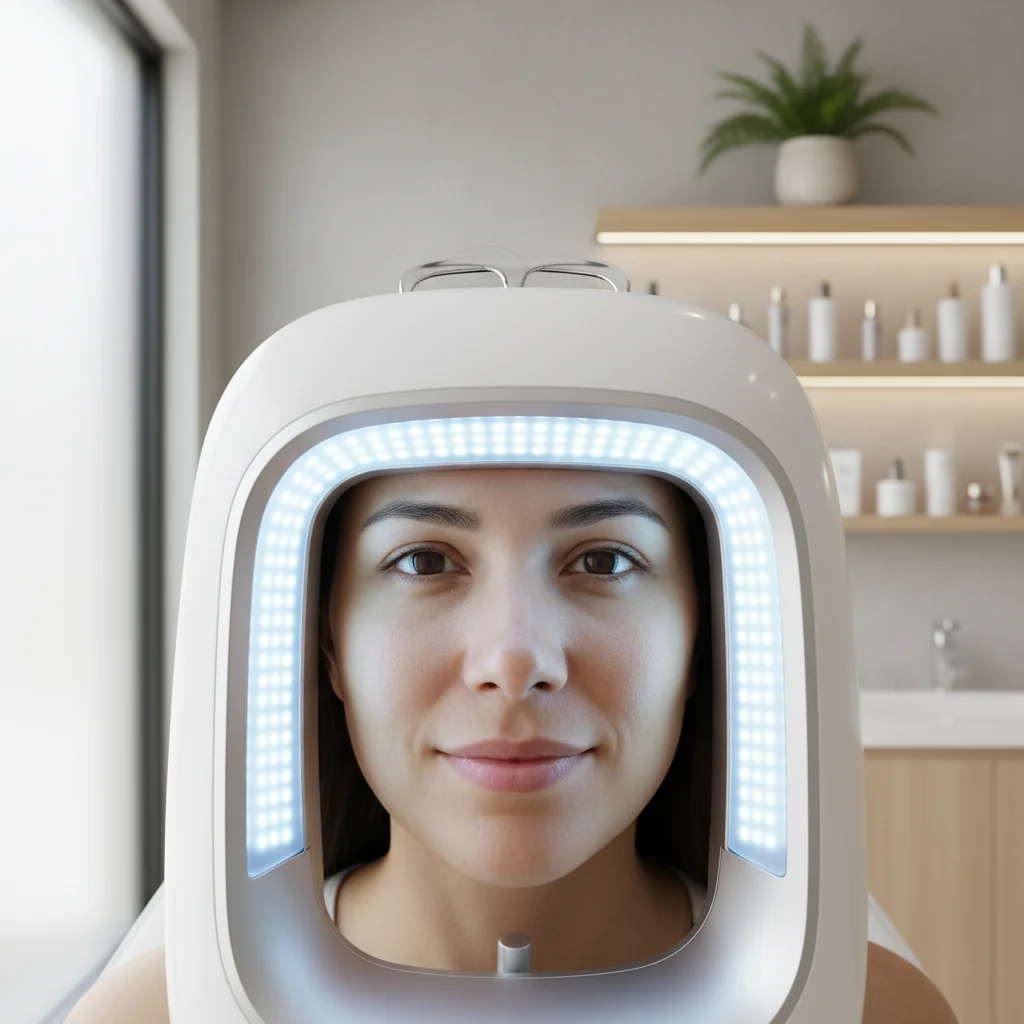
Have you ever taken a skin scan only to feel disappointed by the results? You're not alone. Many users find themselves frustrated when their AI skin analysis doesn’t seem to reflect the reality of their skin, leading to confusion and skepticism about the technology. The truth is, the accuracy of an AI skin scan is heavily influenced by the conditions under which the scan is performed. From lighting to camera angles, every detail counts. Understanding these nuances can make all the difference in achieving the glowing results you’re after.
The Problem: Misunderstanding AI Skin Scans
💡 Quick tip: Want personalized skin insights? Try Kivo.skin's free AI scan.
💡 Understanding your unique skin type is the first step. Kivo.skin makes it easy with AI-powered analysis.
AI skin analysis has revolutionized the way we approach skincare. However, many users still struggle with how to effectively utilize this technology. The common pitfalls often stem from a lack of understanding regarding the environmental factors that can impact the accuracy of the scan. For instance, poor lighting can skew results, leading to incorrect assessments of skin tone, texture, and issues like hyperpigmentation or acne.
One prevalent issue is the misconception that any lighting will do. Many users assume that simply taking a picture in their bathroom or bedroom will yield satisfactory results. Unfortunately, this is far from the truth. Bright, direct sunlight can create harsh shadows and overexpose certain areas, while dim lighting can conceal imperfections that the AI needs to analyze. This misunderstanding can lead to frustration when the recommendations provided by the AI do not align with the user’s expectations.
Moreover, users may not realize the importance of the camera angle and distance when taking their scans. A photo that is too close might not capture the entirety of the skin's texture, while one taken at an awkward angle can distort the features. This can lead to an inaccurate representation of the skin, ultimately affecting the personalized recommendations provided by the AI.
Lastly, environmental conditions can also play a significant role in the quality of the scan. Humidity, temperature, and even the presence of skincare products on the skin can affect how the AI interprets the data. For example, if a user applies a heavy moisturizer before a scan, it may mask underlying issues such as dryness or flakiness, leading to misguided advice from the AI.
The Science: How AI Skin Analysis Actually Works
AI skin analysis leverages sophisticated algorithms to evaluate various parameters of the skin, including texture, tone, and specific concerns like fine lines or redness. The technology is grounded in a combination of machine learning and computer vision, which enables the AI to analyze images of the skin and provide feedback based on a large database of skin types and conditions.
At the cellular level, the AI analyzes features such as the skin's lipid barrier, which plays a crucial role in maintaining hydration and overall skin health. For instance, the AI can detect areas where the lipid barrier may be compromised, leading to dryness or irritation. It does this by assessing the color and texture of the skin, which can indicate underlying hydration levels or damage.
Clinical studies have shown that AI skin analysis can significantly improve the accuracy of skin assessments. According to a study published in the Journal of Investigative Dermatology, AI systems can match or even surpass the diagnostic capabilities of dermatologists in certain areas, such as identifying skin lesions and assessing acne severity. This underscores the potential of AI in providing personalized skincare recommendations.
Different skin types and conditions respond uniquely to various factors, and the AI is designed to accommodate this variability. For example, individuals with Fitzpatrick skin types I-III may have different needs compared to those with types IV-VI. The AI can tailor its recommendations based on these differences, ensuring that users receive guidance that is safe and effective for their specific skin type.
Expert Insight: “AI skin analysis has the potential to transform personalized skincare by providing data-driven insights that can lead to more effective treatments,” says Dr. Shereene Idriss, a board-certified dermatologist. “However, the accuracy of these insights depends significantly on the quality of the data being inputted into the system.”
Why This Works (And Why Others Don't)
When comparing AI skin analysis to traditional skin assessments conducted by dermatologists, it becomes evident that AI offers a level of accessibility and personalization that is often lacking. Traditional assessments can be limited by the dermatologist's experience, subjective judgment, and the time constraints of a typical office visit. In contrast, AI can analyze vast amounts of data quickly and without bias, providing users with tailored recommendations based on their specific skin conditions.
However, the effectiveness of AI skin analysis is contingent on the quality of the input it receives. If users do not optimize their scanning conditions—such as lighting and camera angles—the AI may misinterpret the data, leading to recommendations that are less effective or even counterproductive. This is why understanding how to properly conduct a skin scan is crucial for obtaining reliable results.
Other skincare assessment methods, such as home testing kits or basic questionnaires, may not account for the nuances of individual skin types and conditions. These methods often rely on self-reported data, which can be skewed by personal biases or lack of knowledge. In contrast, AI skin analysis provides an objective evaluation based on actual images of the skin, making it a more reliable option for personalized skincare.
The Protocol: The Solution for Accurate AI Skin Scans
To truly benefit from AI skin analysis, it’s essential to follow a structured protocol that ensures optimal scanning conditions. Here’s a step-by-step guide to achieving the best possible results from your AI skin scan.
Step-by-Step Implementation
Prepare Your Skin (Cleanser)
- Start with a clean canvas. Use a gentle cleanser to remove any makeup, dirt, or excess oils. This step is crucial because leftover products can interfere with the scan, masking imperfections that the AI needs to analyze.
Optimal Lighting (Natural Light)
- Find a well-lit area with natural light, such as near a window. Avoid direct sunlight, as it can create harsh shadows. The best lighting is diffused, so consider using sheer curtains or shades to soften the light. This will help the AI capture a true representation of your skin tone and texture.
Camera Angle and Distance (Stable Position)
- Hold your camera at eye level and ensure it is focused on your face. The ideal distance is around 12-18 inches. Avoid extreme close-ups, as they can distort features. If possible, use a tripod or stable surface to prevent shaking, which can blur the image.
Environmental Conditions (Controlled Setting)
- Ensure the room is at a comfortable temperature and humidity level. Avoid scanning immediately after applying skincare products, as they can alter the skin's appearance. It’s best to wait at least 30 minutes before scanning to allow any products to settle.
Capture Multiple Angles (Comprehensive Analysis)
- For a more thorough assessment, capture images from different angles (front, left, right, and slightly above). This allows the AI to analyze various aspects of your skin, providing a more comprehensive evaluation.
Follow Up with Skincare (Post-Scan Routine)
- After the scan, you can proceed with your regular skincare routine. However, be mindful of the products you choose, as the AI’s recommendations may suggest specific ingredients based on the scan results.
Safety Note: Ensure that the lighting is suitable for your Fitzpatrick skin type. For example, individuals with darker skin tones (Fitzpatrick V-VI) should be cautious of bright lights that may overexpose certain areas, leading to incorrect assessments.
Common Mistakes and How to Avoid Them
Even with the best intentions, users can fall into several common traps when conducting AI skin scans. One of the most frequent mistakes is failing to adequately cleanse the skin before the scan. This can lead to misleading results, as dirt and oil can obscure underlying issues.
Another common error is neglecting the importance of lighting. Users may underestimate how much natural light can affect the scan, opting for artificial lighting that can create shadows or distort colors. It’s crucial to prioritize diffused natural light for the most accurate results.
Additionally, many users do not consider the importance of capturing multiple angles. A single photo may not provide the AI with enough data to make an informed assessment. Taking images from different perspectives can significantly enhance the quality of the analysis.
Lastly, users often overlook the impact of environmental conditions. Changes in temperature and humidity can affect the skin's appearance. Scanning in a controlled environment can help ensure that the AI receives the clearest representation of your skin.
Real Results: What to Expect
When conducted correctly, users can expect to see significant improvements in the accuracy of their AI skin analysis results. With proper lighting and attention to detail, the AI can provide tailored recommendations that address specific skin concerns, such as dryness, acne, or uneven tone.
Users may notice that the feedback they receive aligns more closely with their actual skin condition, leading to more effective product recommendations. For instance, if the AI identifies areas of dryness, users can be directed to hydrating ingredients that will help restore their skin barrier.
It’s also important to manage expectations. While AI skin analysis is a powerful tool, it may take time to see the results of any new skincare regimen. Users should be patient and allow their skin time to adjust to new products and routines.
How Kivo.skin AI Can Help
If you’re unsure about how to conduct your AI skin scan effectively, Kivo.skin is here to assist. The Kivo.skin AI analysis platform provides users with personalized feedback based on their skin scans. It takes into account various factors, including skin type, environmental conditions, and current skincare products.
Not sure if your skin is ready for retinol? Kivo.skin AI analysis will determine your sensitivity and recommend the optimal concentration. The AI considers your skin's current condition, climate, and other products you're using to create a personalized protocol that is tailored just for you.
By utilizing Kivo.skin, users can ensure that they are maximizing the benefits of AI skin analysis, leading to healthier and more radiant skin.
Key Takeaways
- Proper lighting and camera angles are crucial for accurate AI skin scans.
- Cleansing the skin before scanning is essential to avoid misleading results.
- Multiple angles provide a more comprehensive assessment of skin conditions.
- Environmental conditions can significantly impact the quality of the scan.
- Kivo.skin AI analysis offers personalized recommendations based on individual skin conditions.
Next step: Ready to optimize your skincare routine? Check your skincare protocol with Kivo.skin AI scan here.
Join the Inner Circle
Science-backed skincare insights, delivered weekly.