Guide to How Computer Vision Analyzes Visible Skin Patterns: A Comprehensive Overview
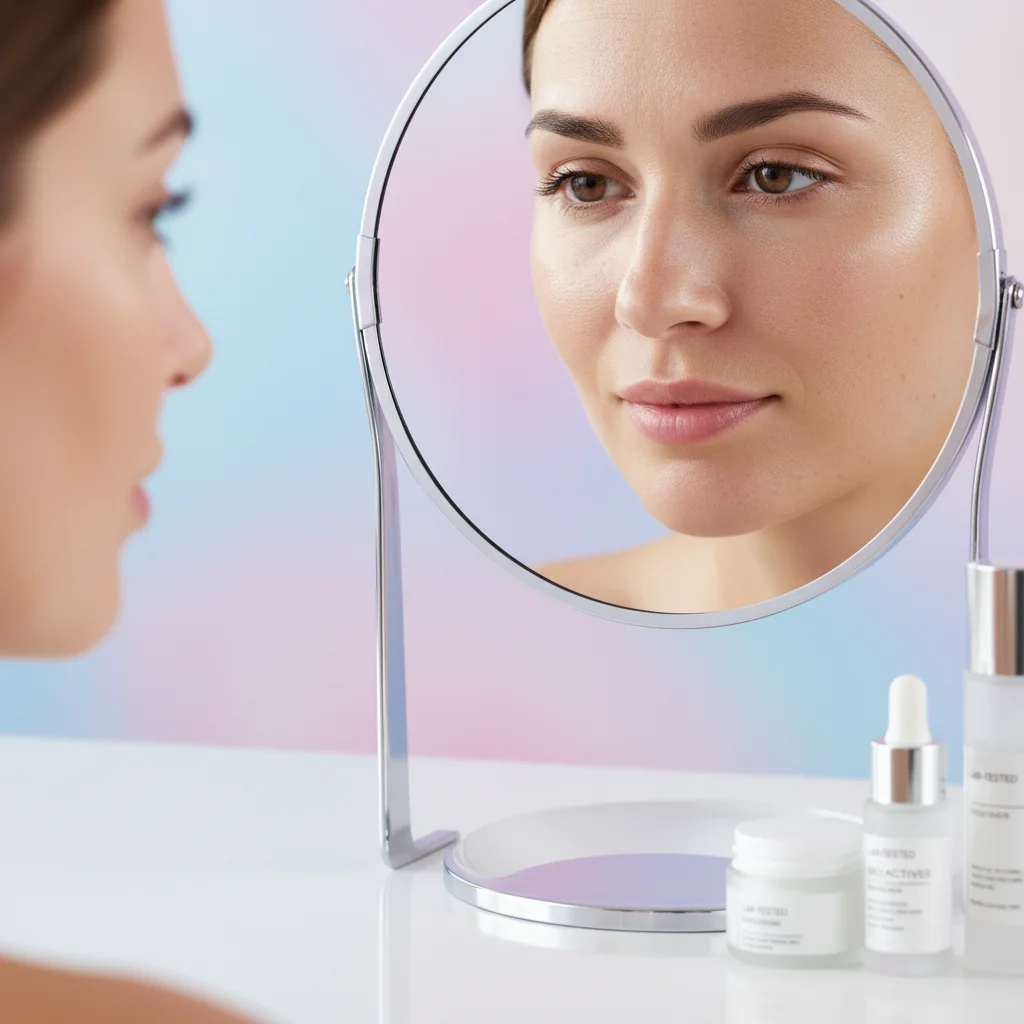
Have you ever looked in the mirror and wondered if your skincare routine is truly effective? Many people find themselves overwhelmed by the plethora of products and conflicting advice available, leading to a cycle of trial and error that can be both frustrating and costly. It’s not uncommon to feel lost, especially when faced with the seemingly endless options for addressing specific skin concerns. The truth is, achieving healthy skin requires more than just guesswork; it demands a scientific approach that considers your unique skin characteristics.
The Problem: The Complexity of Skin Analysis
When it comes to skincare, one size definitely does not fit all. Each person’s skin is unique, influenced by factors such as genetics, environment, and lifestyle. Unfortunately, many traditional methods of skin analysis rely on subjective assessments, which can lead to misguided recommendations. For instance, a friend may swear by a particular product for acne, but that same product could exacerbate your own skin issues. This is where the problem lies: without precise data about your skin’s specific needs, it’s easy to fall into the trap of using the wrong products.
Moreover, many individuals are unaware of their skin's actual condition. Skin can be oily, dry, sensitive, or a combination of several types, and these classifications can change over time due to external factors or hormonal fluctuations. The lack of accurate analysis can result in using products that not only fail to deliver results but can also lead to irritation or other adverse effects. For example, using a heavy moisturizer on already oily skin can lead to breakouts, while neglecting hydration on dry skin can exacerbate flakiness and irritation.
The complexity of skin conditions is further compounded by the vast array of ingredients available in the marketplace, each claiming to offer miraculous results. How can you discern which ingredients will benefit your skin type? The answer lies in a more scientific approach to skincare analysis, one that leverages technology to provide personalized insights.
The Science: How Computer Vision Analyzes Visible Skin Patterns
💡 Struggling to identify your skin concerns? Kivo.skin's AI scan gives you instant clarity.
Computer vision is a field of artificial intelligence (AI) that enables machines to interpret and understand visual information from the world. In the context of skincare, computer vision can analyze visible skin patterns to provide insights into various skin conditions and recommend suitable products. This process leverages advanced algorithms and machine learning techniques to assess images of your skin, identifying specific features such as texture, tone, and the presence of blemishes or fine lines.
Mechanism of Action (MoA)
The mechanism of action behind computer vision in skincare analysis involves several steps. Initially, high-resolution images of the skin are captured, often through a smartphone or specialized camera. These images are then processed using algorithms that detect and analyze different skin attributes. For instance, the technology can measure pore size, wrinkle depth, pigmentation, and even the degree of redness or inflammation. This data is then compared against a vast database of skin conditions and characteristics to generate a personalized analysis.
The algorithms work by employing techniques like convolutional neural networks (CNNs), which are designed to recognize patterns in visual data. CNNs are particularly effective at discerning subtle differences in skin texture and color, making them ideal for skincare applications. By training these networks on thousands of images representing various skin types and conditions, the system can learn to identify specific features that correlate with different skin issues.
Clinical Research and Findings
Numerous studies have demonstrated the efficacy of computer vision in dermatology and skincare. For instance, a study published in the Journal of Investigative Dermatology found that AI algorithms could accurately classify skin conditions such as acne, rosacea, and psoriasis with a high degree of accuracy, often matching or exceeding the performance of dermatologists. The researchers concluded that computer vision could serve as a valuable tool in clinical settings, enhancing diagnostic capabilities and personalizing treatment plans.
Another significant benefit of this technology is its ability to provide consistent and objective assessments. Unlike human evaluations, which can be influenced by subjective opinions and biases, computer vision offers a standardized approach to skin analysis. This objectivity is crucial for developing effective skincare regimens tailored to individual needs.
Effects on Different Skin Types and Conditions
Computer vision technology is versatile and can cater to various skin types and conditions. For instance, individuals with sensitive skin may benefit from analyses that highlight potential irritants in their current skincare products. On the other hand, those with oily skin can receive tailored recommendations for lightweight, non-comedogenic formulations.
Additionally, skin conditions like hyperpigmentation or rosacea can be better understood through detailed analysis. For example, computer vision can quantify the extent of pigmentation and recommend targeted treatments, such as specific serums or topical agents designed to lighten dark spots or soothe redness. This personalized approach ensures that individuals receive products that align with their skin's unique needs, rather than relying on generic solutions.
Expert Insight: “Computer vision has the potential to revolutionize the way we approach skincare by providing precise, data-driven recommendations tailored to individual skin profiles,” says Dr. Shereene Idriss, a dermatologist known for her expertise in personalized skincare.
Why This Works (And Why Others Don't)
The key advantage of using computer vision for skin analysis lies in its ability to provide personalized, data-driven insights. Traditional methods often rely on manual assessments that can be subjective and inconsistent. For example, a dermatologist may overlook subtle signs of skin issues during a brief consultation, leading to missed opportunities for targeted treatment.
In contrast, computer vision technology can analyze skin in detail, detecting patterns that might go unnoticed by the naked eye. This comprehensive analysis allows for a more accurate understanding of skin conditions, leading to better product recommendations.
Moreover, the ability to compare individual skin data against a vast database of conditions helps ensure that recommendations are not only based on general trends but are also tailored to the individual's unique skin profile. This level of personalization is often lacking in conventional skincare advice, where one-size-fits-all solutions dominate the market.
The Protocol: The Solution
Implementing a skincare routine based on computer vision analysis requires a systematic approach. Below is a detailed protocol to help you leverage this technology for optimal skincare results.
Step-by-Step Implementation
Initial Skin Assessment (Image Capture)
- Begin by capturing high-quality images of your skin using a smartphone or a specialized camera. Ensure that the lighting is consistent and that your skin is clean and free of makeup for the most accurate analysis.
- This step is crucial as it provides the foundational data for the computer vision algorithm to analyze.
Analysis Review (Understanding Results)
- Once the images are processed, review the results generated by the computer vision algorithm. This analysis will highlight key areas of concern, such as uneven texture, hyperpigmentation, or signs of aging.
- Pay attention to the specific recommendations provided, including suggested products and ingredients tailored to your skin type.
Product Selection (Choosing the Right Formulations)
- Based on the analysis, select products that align with your skin's needs. Look for formulations that contain active ingredients known to address your specific concerns, such as hyaluronic acid for hydration or niacinamide for oil control.
- Avoid products that have been flagged as potential irritants or unsuitable for your skin type.
Routine Development (Establishing a Skincare Regimen)
- Create a daily skincare regimen that incorporates the recommended products. A balanced routine should include cleansing, treatment (serums), and moisturizing, with an emphasis on sun protection during the day.
- Be mindful of product layering and avoid using too many active ingredients simultaneously, which can lead to irritation.
Monitoring Progress (Regular Check-Ins)
- Schedule regular check-ins to reassess your skin condition. This could involve repeating the image capture process every few weeks to track changes and adjust your routine as needed.
- Monitoring progress is essential to ensure that the products are delivering the desired results and that your skin is responding positively.
Consultation (Seeking Professional Guidance)
- While computer vision analysis provides valuable insights, consider consulting with a dermatologist for a thorough evaluation, especially if you have specific skin concerns or conditions.
- A professional can help interpret the analysis results and offer additional recommendations based on their expertise.
Safety Note: When using computer vision technology for skin analysis, it is important to ensure that the platform adheres to privacy regulations. Always check the safety for different skin types (Fitzpatrick I-VI) and be aware of potential contraindications.
Common Mistakes and How to Avoid Them
Despite the advancements in technology, many individuals still make common mistakes when it comes to their skincare routines. One prevalent issue is failing to adjust products based on changing skin conditions. Skin can react differently due to seasonal changes, hormonal fluctuations, or even stress levels. It’s crucial to remain adaptable and reassess your routine regularly.
Another common pitfall is overloading the skin with too many active ingredients. While it can be tempting to incorporate multiple products promising quick results, this can lead to irritation and compromised skin barrier function. Instead, focus on a few targeted treatments and give them time to work before introducing new products.
Additionally, many people neglect the importance of sun protection, which is vital for preventing premature aging and skin damage. A common misconception is that sunscreen is only necessary during hot weather or sunny days. In reality, UV rays can penetrate through clouds and windows, making daily sun protection essential year-round.
Lastly, individuals often overlook the significance of proper product application techniques. For instance, applying products in the wrong order can hinder their effectiveness. Always apply lighter, water-based products before heavier, oil-based ones to ensure optimal absorption.
Real Results: What to Expect
When you adopt a skincare routine informed by computer vision analysis, you can expect to see gradual improvements over time. Results may vary depending on individual skin types and conditions, but many users report noticeable changes within a few weeks. For instance, those targeting acne may notice a reduction in breakouts and improved skin texture as the recommended products begin to take effect.
Realistic timelines for results can range from a few weeks to several months, depending on the complexity of the issues being addressed. For example, hyperpigmentation may take longer to fade, requiring consistent use of targeted treatments. It's essential to maintain realistic expectations and understand that skincare is a journey, not a quick fix.
How Kivo.skin AI Can Help
Navigating the world of skincare can be challenging, but tools like Kivo.skin AI are designed to simplify the process. Not sure if your skin is ready for retinol? Kivo.skin AI analysis will determine your sensitivity and recommend the optimal concentration. The AI considers your skin's current condition, climate, and other products you're using to create a personalized protocol.
By utilizing Kivo.skin AI, you gain access to expert-backed recommendations tailored to your unique skin profile. This technology not only enhances your understanding of your skin but also empowers you to make informed decisions about your skincare routine. With Kivo.skin, you can build a regimen that truly addresses your needs, leading to healthier, more radiant skin.
Key Takeaways
- Personalized Analysis: Computer vision technology offers a data-driven approach to skincare, providing personalized insights based on individual skin characteristics.
- Objective Assessments: Unlike traditional methods, computer vision delivers consistent and objective evaluations, reducing the risk of subjective biases.
- Tailored Recommendations: The technology enables users to receive specific product recommendations that align with their unique skin needs, enhancing the effectiveness of their skincare routines.
- Regular Monitoring: Consistent check-ins and reassessments are crucial for adapting skincare routines as skin conditions change over time.
- Empowerment through Technology: Platforms like Kivo.skin AI empower individuals to take control of their skincare journey with expert-backed guidance tailored to their unique profiles.
Next step: Ready to elevate your skincare routine? Check your skincare protocol with Kivo.skin AI for personalized insights today! Explore more at Kivo.skin.
Join the Inner Circle
Science-backed skincare insights, delivered weekly.