The Rise of DIY AI Skin Analysis Apps and Devices: Empowering Your Skincare Journey
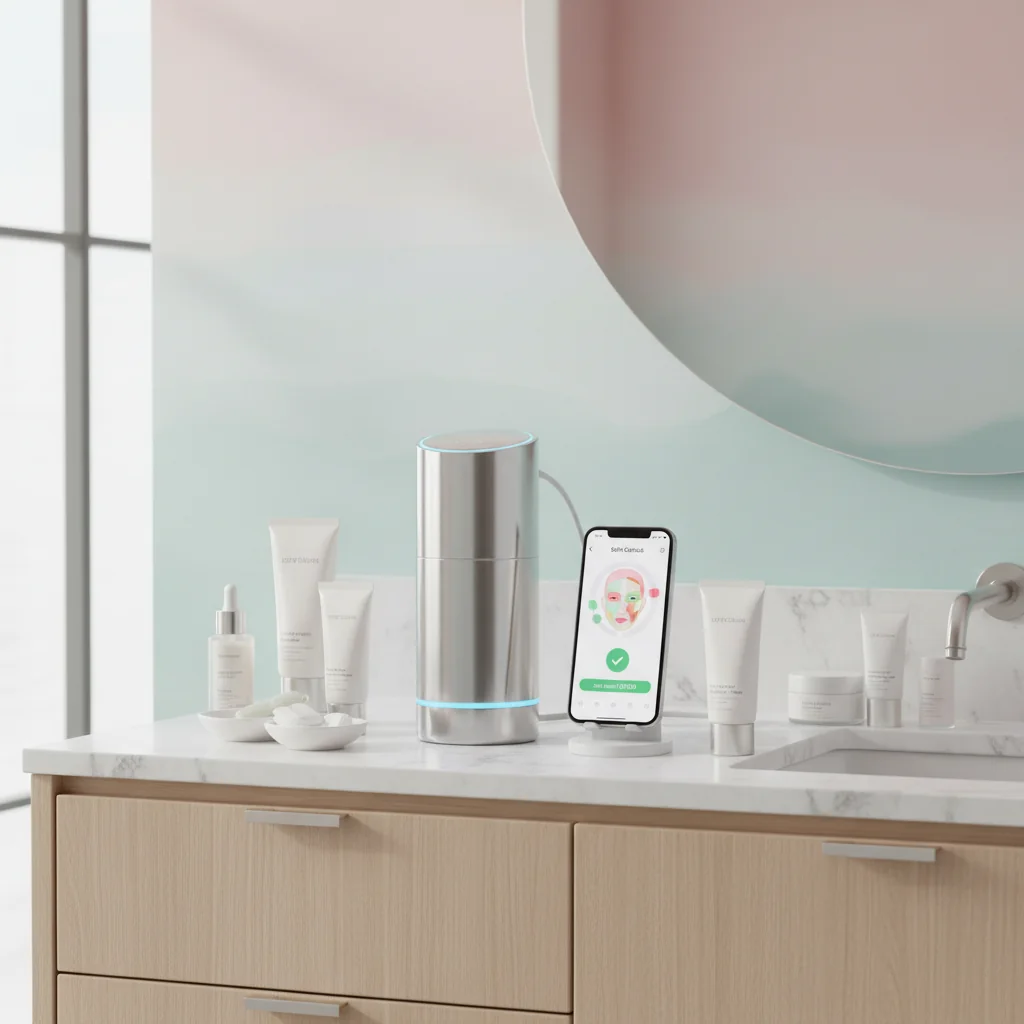
“I destroyed my barrier with a 10-step routine so you don't have to.” If you’ve ever felt overwhelmed by the complexities of skincare, you’re not alone. Many of us have fallen into the trap of following intricate routines laden with products that promise the world but often leave us with more questions than answers. The skincare industry, with its myriad of options and often conflicting advice, can make even the most seasoned enthusiasts feel lost. Enter the age of DIY AI skin analysis apps and devices—tools designed to cut through the noise, providing personalized insights right at your fingertips.
The demand for accessible, data-driven skincare solutions is on the rise. With the proliferation of smartphone technology and AI capabilities, consumers are now empowered to take control of their skincare journey. Imagine being able to analyze your skin's condition from the comfort of your home and receive tailored recommendations based on your unique needs. This is no longer a futuristic dream; it’s a reality made possible by innovative AI technologies and user-friendly applications.
In this article, we will explore the mechanics behind these transformative tools, delve into the science that supports their efficacy, and provide a step-by-step guide on how to integrate them into your skincare routine. By the end, you’ll have a comprehensive understanding of DIY AI skin analysis and how it can revolutionize your approach to skincare.
The Problem: Navigating the Skincare Maze
Navigating the skincare landscape can feel like trying to decipher a foreign language. One of the most significant challenges consumers face is the overwhelming amount of information available. With beauty influencers, dermatologists, and brands all offering differing advice, it can be difficult to discern what is genuinely effective. This often leads to a trial-and-error approach, where individuals invest in multiple products in hopes of achieving their desired results, only to find themselves disappointed.
Moreover, many skincare routines today are excessively complex. The rise of the “10-step routine” trend has contributed to the misconception that more is always better. This can lead to issues like over-exfoliation, compromised skin barriers, and irritation. In fact, a study published in the Journal of Dermatological Treatment highlights that excessive product layering can disrupt the skin's natural barrier, leading to increased sensitivity and breakouts.
Another significant problem is the lack of personalization in traditional skincare recommendations. What works for one person may not work for another due to various factors such as skin type, age, lifestyle, and environmental exposure. This one-size-fits-all approach can leave many feeling frustrated and unsure of how to address their specific skin concerns. As a result, many consumers are left guessing which products will suit their individual needs, often leading to wasted time and resources.
Finally, there is the issue of accessibility. Regular visits to dermatologists or skincare professionals can be costly and time-consuming. For many, this is not a feasible option, leaving them reliant on general advice found online or through social media. The emergence of at-home AI skin analysis tools addresses this gap, providing a more affordable and convenient way to gain insights into skin health.
The Science: How DIY AI Skin Analysis Actually Works
💡 Struggling to identify your skin concerns? Kivo.skin's AI scan gives you instant clarity.
At its core, DIY AI skin analysis leverages advanced technologies such as machine learning and computer vision to assess skin conditions based on user-uploaded images or real-time analysis through devices. These tools typically analyze various skin parameters, including texture, pigmentation, pore size, and signs of aging. But how exactly do they work?
What is AI Skin Analysis?
AI skin analysis involves the use of artificial intelligence algorithms that can recognize patterns in skin images. These algorithms are trained on vast datasets containing thousands of images annotated with various skin conditions, allowing them to learn how to identify specific features and anomalies. By comparing the user’s images to this extensive database, the AI can provide insights into the skin’s current state and recommend suitable skincare products or routines.
Mechanism of Action (MoA)
The mechanism of action for these AI tools can be broken down into several key processes:
Image Capture: The user takes a high-resolution image of their skin using a smartphone or a dedicated skin scanner. Lighting conditions and angles can significantly affect the analysis, which is why many apps provide guidelines for optimal image capture.
Image Processing: Once the image is uploaded, the AI algorithms analyze the photo for specific markers such as wrinkles, fine lines, hyperpigmentation, and texture irregularities. This analysis is based on pattern recognition, where the software identifies and quantifies these features.
Data Interpretation: After processing the image, the AI compares the results against its database to provide a comprehensive report. This report may include an assessment of the skin's health, potential issues, and personalized recommendations.
Feedback Loop: Many AI skin analysis apps create a feedback loop by encouraging users to regularly upload images. This allows the AI to track changes over time and refine its recommendations based on the user’s progress.
Clinical Studies and Research Findings
Recent studies have begun to validate the efficacy of AI skin analysis tools. For instance, research published in Nature Medicine demonstrated that AI systems could diagnose skin cancer with an accuracy comparable to that of dermatologists. Furthermore, a study in JAMA Dermatology found that AI algorithms could effectively differentiate between various skin conditions, providing reliable insights that were beneficial for users seeking personalized skincare solutions.
Impact on Different Skin Types and Conditions
The versatility of AI skin analysis tools means they can cater to a wide range of skin types and conditions. Whether you have sensitive skin, acne-prone skin, or are concerned about aging, these tools can provide tailored insights. For example, someone with acne-prone skin might receive recommendations to incorporate salicylic acid or benzoyl peroxide into their routine, while someone with dry skin might be advised to focus on hydrating ingredients like hyaluronic acid and glycerin.
Expert Insight: “AI skin analysis tools offer a unique opportunity for individuals to understand their skin on a deeper level. By providing personalized insights based on real-time data, these tools can help users make informed decisions about their skincare routines.” — Dr. Shereene Idriss, Dermatologist, New York City
Why This Works (And Why Others Don't)
The effectiveness of DIY AI skin analysis tools lies in their ability to provide personalized, data-driven insights that traditional methods lack. Unlike generic skincare advice that may not take into account individual differences, AI tools analyze specific conditions unique to the user, leading to more effective recommendations.
For instance, traditional skincare consultations often rely on a one-time assessment from a dermatologist, which may not capture the dynamic nature of skin health. On the other hand, AI tools allow for continuous monitoring, enabling users to adapt their routines as their skin evolves. This is particularly beneficial for individuals dealing with conditions like acne or rosacea, where skin health can fluctuate based on various factors including hormonal changes, diet, and environmental stressors.
In contrast, many conventional approaches tend to promote a one-size-fits-all solution, often leading to ineffective results. For example, a popular moisturizer may work wonders for someone with oily skin but could exacerbate dryness for someone with a dry skin type. AI tools eliminate this guesswork by analyzing individual skin needs and providing customized recommendations.
The Protocol: How to Use DIY AI Skin Analysis Tools
Integrating DIY AI skin analysis into your skincare routine is straightforward and can yield impressive results. Here’s a step-by-step guide to help you get started.
Step-by-Step Implementation
Step One: Choose Your Tool
- Select a reputable DIY AI skin analysis app or device. Look for one with positive reviews and a scientific basis for its analysis. Popular options include the Kivo.skin app, which offers personalized insights based on AI technology.
- Why it matters: Choosing the right tool ensures you receive accurate and reliable information tailored to your skin.
Step Two: Prepare Your Skin
- Before taking your skin assessment photo, cleanse your face to remove any makeup or impurities. Follow the app's guidelines regarding lighting and angles for the best results.
- Common mistakes to avoid: Skipping this step can result in inaccurate readings, as dirt or makeup can obscure skin features.
Step Three: Capture Your Image
- Using the app, take a high-resolution image of your skin. Ensure that the lighting is even and avoid harsh shadows.
- How to know it's working: A clear image will allow the AI to analyze your skin accurately, providing you with meaningful insights.
Step Four: Analyze Your Results
- Once your image is processed, review the analysis provided by the app. Take note of any recommendations for products or routines tailored to your skin concerns.
- What to look for: Look for specific recommendations regarding ingredient types, product categories, and routines.
Step Five: Implement Recommendations
- Begin incorporating the suggested products into your routine. Make sure to introduce new products gradually to monitor your skin’s response.
- Why it matters: Gradual introduction helps identify any potential irritants or allergens.
Step Six: Regularly Update Your Analysis
- Schedule regular check-ins with the app to upload new images and track your skin’s progress. This will help the AI refine its recommendations over time.
- Safety Note: If you notice any adverse reactions to new products, discontinue use and consult a dermatologist.
Safety Note: Always consider your skin type when using AI skin analysis tools. Fitzpatrick skin types I-IV generally have fewer concerns with most products, while types V-VI should perform patch tests prior to full application to avoid irritation.
Common Mistakes and How to Avoid Them
Despite the advantages of DIY AI skin analysis tools, users often make common mistakes that can hinder their skincare journey. Here are some pitfalls to watch out for:
Ignoring Skin Preparation: As previously mentioned, failing to cleanse the skin or capture images in poor lighting can lead to inaccurate results. Always follow the app’s guidelines to ensure the best analysis.
Overloading on Products: After receiving recommendations, some users may feel compelled to purchase multiple products at once. This can overwhelm the skin and lead to irritation. Instead, introduce one product at a time and observe how your skin reacts.
Neglecting to Update Analyses: Skipping regular updates can result in outdated recommendations. Skin health is dynamic, influenced by environmental factors and personal habits. Regularly updating your analysis helps the AI provide the most relevant insights.
Relying Solely on AI: While AI tools can provide valuable insights, they should not replace professional medical advice. If you have serious skin concerns or conditions, consult a dermatologist for comprehensive care.
Misunderstanding Recommendations: Users may misinterpret AI recommendations or apply them incorrectly. Take the time to thoroughly read and understand each suggestion before implementation.
Real Results: What to Expect
When used correctly, DIY AI skin analysis tools can lead to significant improvements in skin health. Users can expect to see varied results based on their individual skin types, concerns, and adherence to the recommendations provided.
Generally, many individuals report noticeable changes within a few weeks of consistently following the tailored skincare routines suggested by the AI. For example, those with acne-prone skin may see a reduction in breakouts and improved skin texture, while individuals addressing dryness may experience better hydration and a more radiant complexion.
However, it’s important to have realistic expectations. Just as with any skincare regimen, results can take time and vary from person to person. Continuous monitoring and adjustments based on the AI’s feedback will enhance the likelihood of achieving desired outcomes.
How Kivo.skin AI Can Help
Navigating the world of skincare can be daunting, but with tools like Kivo.skin's AI analysis, you can take charge of your skincare journey. Not sure if your skin is ready for retinol? Kivo.skin AI analysis will assess your skin's sensitivity and recommend the optimal concentration tailored to your needs. The AI considers your skin's current condition, climate, and other products you’re using to create a personalized protocol.
This technology not only empowers you to make informed decisions but also fosters a deeper understanding of your skin's needs. By regularly engaging with the Kivo.skin platform, you can track progress, adapt your routine, and ultimately cultivate healthier skin.
Key Takeaways
- The rise of DIY AI skin analysis tools empowers consumers to take control of their skincare journey by providing personalized insights and recommendations.
- These tools leverage advanced AI algorithms to analyze skin conditions, offering tailored solutions that traditional methods often lack.
- Proper usage of these tools involves selecting the right app or device, preparing the skin for analysis, and regularly updating assessments for optimal results.
- Common mistakes, such as neglecting skin preparation or overloading on products, can hinder progress; awareness and adherence to best practices are crucial.
- Kivo.skin’s AI analysis offers an innovative approach to understanding and improving skin health, making it accessible and convenient for everyone.
Next step: Ready to elevate your skincare routine? Check your skincare protocol with Kivo.skin AI scan and discover personalized recommendations tailored to your unique skin needs.
Join the Inner Circle
Science-backed skincare insights, delivered weekly.