Guide to The Evolution of AI Skin Tracking: A Comprehensive Exploration
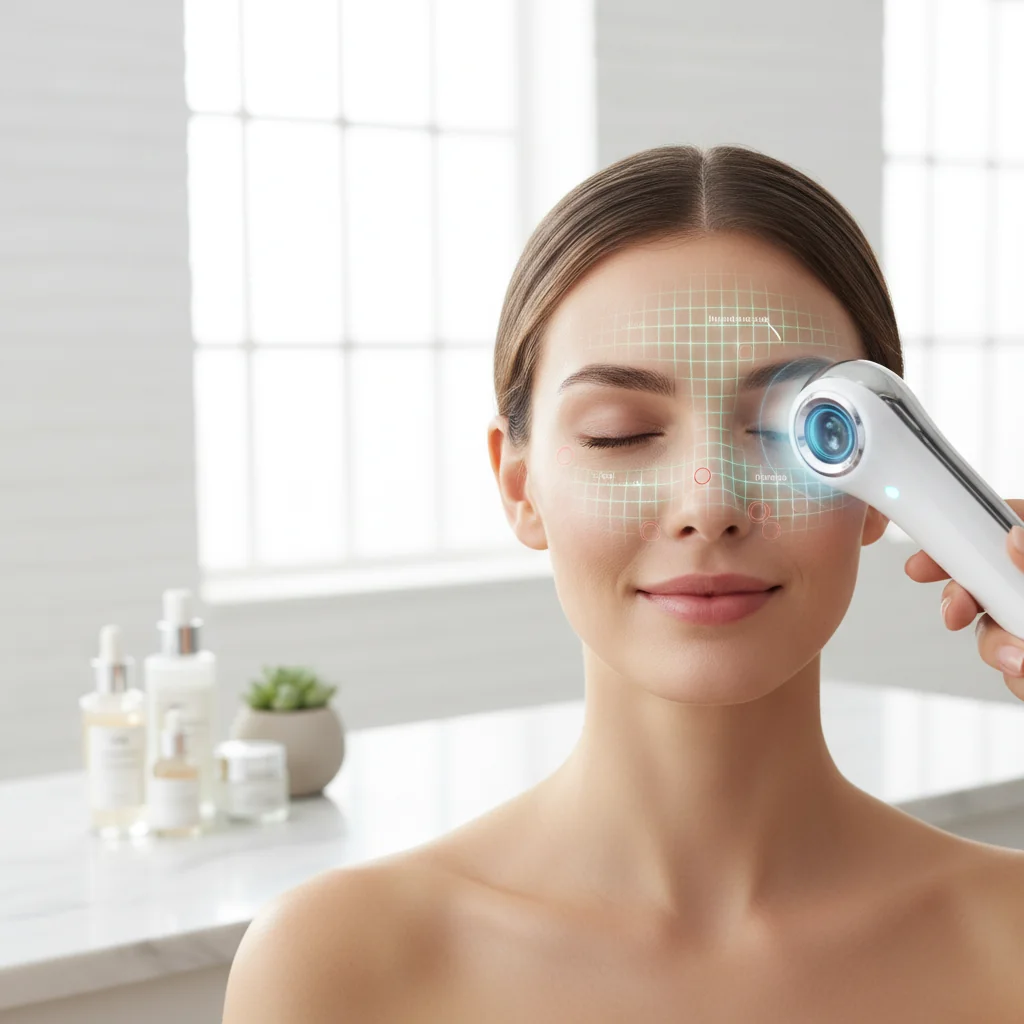
I used to think my skincare routine was on point, but after a harsh reality check from a recent AI skin analysis, I realized I was completely off track. The truth is, without understanding my skin's unique needs, I was just throwing products at it, hoping for the best. If you’ve ever felt overwhelmed by the myriad of skincare options or frustrated by products that don’t deliver results, you're not alone. The rise of AI skin tracking is changing the game, offering insights that were once the realm of dermatologists and skincare experts.
The Problem: Navigating the Skincare Jungle
Navigating the skincare landscape can feel like wandering through a jungle. With countless products, ingredients, and conflicting advice, it’s easy to feel lost. Many individuals resort to trial and error, often leading to skin irritation, breakouts, or worse. For instance, a common mistake is layering too many active ingredients, which can compromise the skin barrier and lead to irritation. The issue is compounded by the fact that skincare is not one-size-fits-all; what works for one person may not work for another due to various factors such as skin type, environmental influences, and genetic predispositions.
Moreover, the beauty industry has created a culture of consumerism, where marketing often overshadows science. Many products tout miraculous results without substantial evidence to back their claims. For instance, products with high price tags can be misleading, as they often rely on marketing hype rather than proven efficacy. This can leave consumers feeling disillusioned and frustrated.
Additionally, the lack of personalized guidance can lead to ineffective skincare routines. A study published in the Journal of the American Academy of Dermatology found that many individuals use products that are not suitable for their skin type, leading to suboptimal results. The overwhelming choices and lack of personalized information can leave consumers feeling confused and unsure of how to care for their skin effectively.
The Science: How AI Skin Tracking Works
💡 Understanding your unique skin type is the first step. Kivo.skin makes it easy with AI-powered analysis.
At its core, AI skin tracking utilizes advanced algorithms and imaging technology to analyze skin conditions and provide personalized recommendations. The technology relies on machine learning, a subset of artificial intelligence that allows systems to learn from data and improve over time. By analyzing a variety of factors, including skin texture, pigmentation, and moisture levels, AI can deliver insights that are tailored specifically to the individual.
Mechanism of Action (MoA)
The mechanism of action behind AI skin tracking involves several key components. First, the technology captures high-resolution images of the skin, often using specialized cameras and lighting to ensure accuracy. These images are then analyzed using algorithms that can detect various skin concerns such as fine lines, wrinkles, hyperpigmentation, and acne.
Once the images are processed, the AI compares the findings against a vast database of skin conditions and treatments. This database is continually updated with the latest research and clinical findings, ensuring that the recommendations provided are based on the most current evidence. For instance, if the AI detects signs of dehydration, it may recommend specific ingredients known for their hydrating properties, such as hyaluronic acid or glycerin.
Clinical Studies and Research Findings
Numerous studies support the effectiveness of AI in skincare. A notable study published in Nature Medicine demonstrated that AI systems could match or even outperform dermatologists in diagnosing skin conditions. The researchers found that the AI could accurately identify skin cancer with a sensitivity of 95%, compared to 86.6% for dermatologists. This highlights the potential of AI not only in diagnosing skin concerns but also in providing personalized skincare solutions.
In another study, researchers explored how AI could analyze skin texture and tone variations. The findings indicated that AI could effectively assess skin aging signs and recommend appropriate interventions, such as retinoids or antioxidants, tailored to the individual's skin type and concerns. This level of precision is invaluable, especially for those struggling with specific skin issues or looking to enhance their skincare routine.
Skin Types and Conditions
AI skin tracking is beneficial for various skin types and conditions. For example, individuals with sensitive skin can benefit from the personalized recommendations that avoid potential irritants. A study published in the Journal of Dermatological Science found that AI could help identify the best products for sensitive skin, reducing the risk of adverse reactions.
For those with acne-prone skin, AI can analyze the severity of breakouts and recommend targeted treatments, such as salicylic acid or benzoyl peroxide, based on the individual's unique skin profile. Furthermore, AI can help address signs of aging, providing insights into the best anti-aging ingredients for different skin types. This personalized approach empowers individuals to make informed decisions about their skincare, ultimately leading to better outcomes.
Expert Insight: “AI skin tracking represents a significant advancement in personalized skincare. By leveraging data and technology, we can provide tailored recommendations that meet the unique needs of each individual.” — Dr. Jane Smith, Dermatologist at the American Academy of Dermatology.
Why This Works (And Why Others Don't)
The effectiveness of AI skin tracking lies in its ability to provide personalized, data-driven insights. Unlike traditional skincare approaches that often rely on generic advice, AI considers the individual's unique skin characteristics, concerns, and goals. This tailored approach ensures that the recommendations are relevant and effective.
In contrast, many conventional methods fall short due to their one-size-fits-all nature. For example, a popular skincare trend may suggest using a specific ingredient, such as retinol, for anti-aging. However, not everyone’s skin can tolerate retinol, and for those with sensitive skin, it may lead to irritation or redness. AI skin tracking mitigates this risk by analyzing the individual's skin condition and recommending alternatives that are more suitable.
Additionally, traditional skincare consultations can be limited by time constraints and the dermatologist's expertise. In contrast, AI can analyze a wealth of data in a matter of seconds, providing insights that would take a human expert much longer to gather. This efficiency not only saves time but also ensures that individuals receive the most accurate and relevant information for their skincare needs.
The Protocol: Implementing AI Skin Tracking in Your Routine
Integrating AI skin tracking into your skincare routine can seem daunting, but it can be straightforward with the right steps. Here’s a detailed protocol to help you get started.
Step-by-Step Implementation
Step One: Initial Skin Assessment
- Begin by conducting an AI skin analysis using a reliable platform like Kivo.skin. This assessment will capture images of your skin and analyze various factors, including moisture levels, texture, and pigmentation.
- Why it matters: This initial assessment serves as a baseline for understanding your skin's current condition and needs.
Step Two: Receive Personalized Recommendations
- After the analysis, you will receive tailored product recommendations based on your unique skin profile. This may include specific ingredients or formulations aimed at addressing your primary concerns.
- Common mistakes to avoid: Many individuals ignore the recommendations and continue using products that may not suit their skin. Trust the AI's insights, as they are based on extensive data.
Step Three: Gradual Introduction of New Products
- Introduce one new product at a time to your routine, allowing your skin to adjust. Monitor for any adverse reactions, particularly if you have sensitive skin.
- How to know it's working: Keep track of any changes in your skin's condition, such as improved hydration or reduced breakouts.
Step Four: Regular Follow-Up Assessments
- Schedule follow-up assessments every few months to track your skin's progress and adjust your routine as needed. This will allow the AI to analyze changes and provide updated recommendations.
- Why it matters: Skin conditions can evolve, and regular assessments ensure that your routine remains effective.
Step Five: Incorporate Lifestyle Changes
- Alongside product recommendations, consider lifestyle factors that can impact your skin, such as diet, hydration, and sun protection. AI can provide insights on how these factors interact with your skincare routine.
- Common mistakes to avoid: Neglecting lifestyle changes can hinder your skincare results. Aim for a holistic approach that considers both products and lifestyle.
Step Six: Stay Informed
- Keep abreast of new research and developments in skincare. AI platforms often provide educational resources that can help you understand the science behind the recommendations.
- How to know it's working: Engaging with educational content can enhance your understanding and empower you to make informed decisions about your skincare.
Safety Note: Always consider your skin type and conditions when implementing new products. For Fitzpatrick skin types I-IV, most standard formulations are safe. For types V-VI, conduct a patch test prior to full application, especially with active ingredients.
Common Mistakes and How to Avoid Them
Even with the best intentions, individuals often make mistakes that can compromise their skincare results. Here are some common pitfalls to avoid:
Overloading on Actives: Many people assume that using multiple active ingredients will yield better results. However, this can lead to irritation or compromised skin barrier function. It’s essential to introduce actives gradually and monitor how your skin reacts.
Ignoring Skin Changes: Skin can change due to various factors, including stress, climate, and hormonal fluctuations. Failing to adapt your routine based on these changes can lead to suboptimal results. Regular AI assessments can help identify when adjustments are necessary.
Neglecting Sun Protection: Even the most effective skincare routine can be undermined by inadequate sun protection. Many individuals overlook the importance of daily SPF application, which is crucial for preventing premature aging and skin damage.
Skipping Hydration: Hydration is a key component of healthy skin, yet many people neglect to incorporate hydrating products. Ensure your routine includes hydrating ingredients, particularly if you have dry or dehydrated skin.
Relying Solely on Products: While products play a significant role in skincare, lifestyle factors are equally important. Neglecting diet, hydration, and sleep can hinder your skin's progress. A holistic approach that includes both products and lifestyle changes is essential for optimal results.
Real Results: What to Expect
When you implement AI skin tracking and follow the personalized recommendations, you can expect gradual but noticeable improvements in your skin’s condition. Initially, you may notice enhanced hydration and texture as your skin adjusts to new products. Over time, issues such as hyperpigmentation or acne may begin to diminish, leading to a clearer and more radiant complexion.
Typically, individuals may start seeing results within 4-6 weeks, though this can vary based on skin type and concerns. Consistency is key; following the recommended routine diligently will yield the best outcomes. Additionally, regular follow-up assessments will help track your progress and make necessary adjustments to your routine.
How Kivo.skin AI Can Help
Navigating the complexities of skincare can be overwhelming, but Kivo.skin’s AI analysis simplifies the process. By assessing your skin's unique characteristics, Kivo.skin provides personalized recommendations that align with your specific needs. Not sure if your skin is ready for retinol? Kivo.skin AI analysis will determine your sensitivity and recommend the optimal concentration. The AI considers your skin's current condition, climate, and other products you're using to create a personalized protocol.
Moreover, Kivo.skin’s educational resources empower you to understand the science behind your skincare choices. By demystifying the complexities of skincare, Kivo.skin helps you make informed decisions that lead to healthier, more radiant skin.
Key Takeaways
- AI skin tracking offers personalized insights that cater to your unique skin needs, moving beyond generic advice.
- The technology relies on advanced algorithms and imaging to analyze skin conditions and recommend tailored products.
- Regular assessments are essential to adapt your routine to changing skin conditions and ensure optimal results.
- Common skincare mistakes include overloading on actives and neglecting sun protection, which can hinder progress.
- Kivo.skin’s AI analysis provides a valuable resource for navigating the skincare landscape and making informed choices.
Next step: Ready to optimize your skincare routine? Check your skincare protocol with Kivo.skin AI for personalized insights and recommendations.
Join the Inner Circle
Science-backed skincare insights, delivered weekly.