Guide to The Future Of Predictive Skincare AI
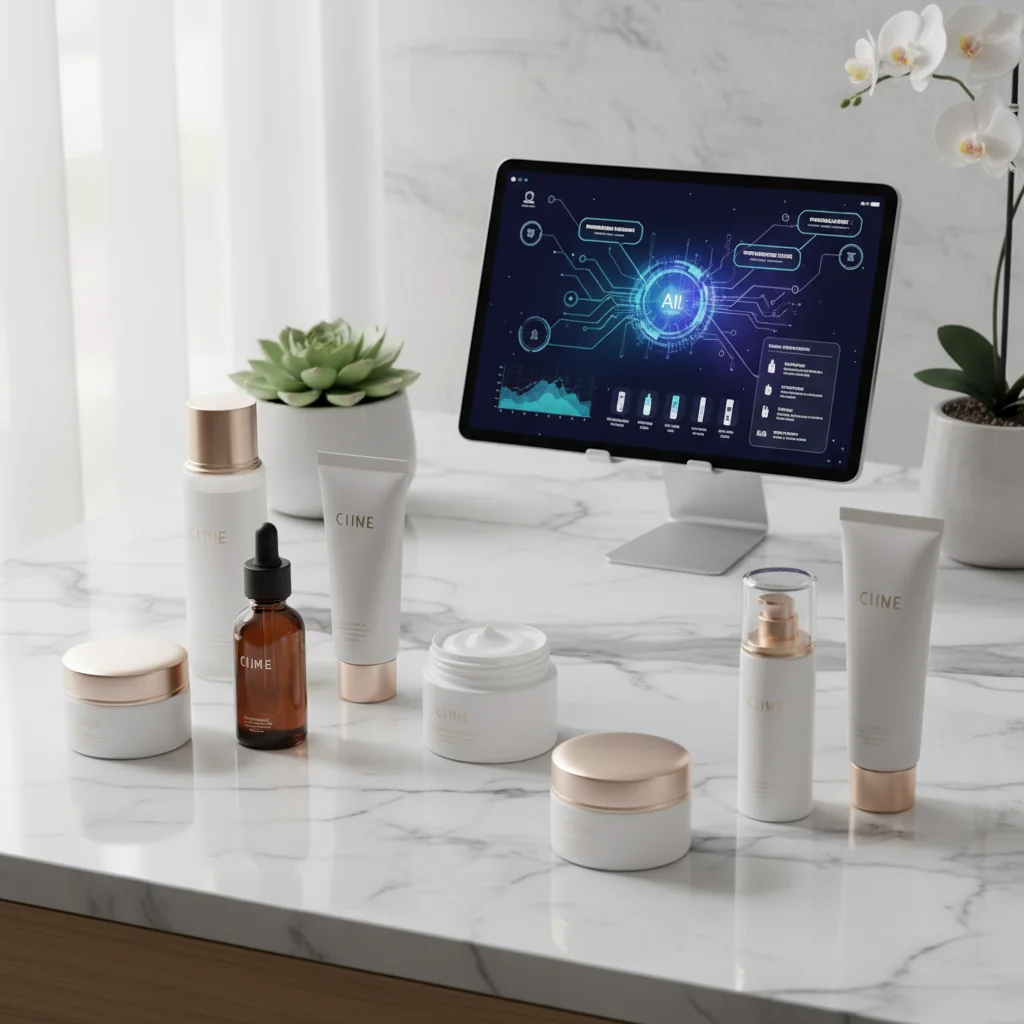
I destroyed my barrier with a 10-step routine so you don't have to. We've all been there, caught in the whirlwind of skincare trends, bombarded by a plethora of products that promise radiant skin. Yet, amidst the chaos, many of us find ourselves grappling with skin issues that seem to worsen rather than improve. The rise of predictive skincare AI heralds a new era, offering personalized insights that can help streamline our routines and resolve our skincare dilemmas. But what exactly does this mean for our skin, and how can we navigate this technological landscape to achieve the glow we desire?
The Problem: Overwhelmed by Choices and Misinformation
The skincare industry is saturated with options. From serums and moisturizers to innovative treatments, the choices can be dizzying. Each product claims to be the key to unlocking flawless skin, but often, the reality is far from it. Many consumers find themselves purchasing high-end products that do little to address their specific skin needs. For instance, a person with oily skin might be tempted to buy a rich, hydrating cream, only to discover that it exacerbates their oiliness and leads to breakouts. This cycle of trial and error can lead to frustration and disappointment.
Moreover, misinformation abounds in the beauty community. Social media influencers often tout the benefits of specific ingredients without providing a thorough understanding of how they work. For example, retinol is praised for its anti-aging properties, but without proper guidance on how to incorporate it into a routine, users may experience irritation or ineffective results. This lack of personalized advice can leave individuals feeling confused about what their skin truly needs.
Additionally, traditional skincare consultations often fall short. Many dermatologists are limited by time constraints, leading to generalized recommendations that may not suit every individual’s unique skin profile. A one-size-fits-all approach does not account for the complexities of skin types, conditions, and environmental factors. This gap in personalized care has created a demand for a solution that can provide tailored insights based on individual skin needs.
The Science: How Predictive Skincare AI Actually Works
💡 Tired of trial and error with skincare? Kivo.skin helps you understand your skin first.
Predictive skincare AI represents a significant advancement in the beauty industry, utilizing data and algorithms to analyze skin conditions and recommend personalized routines. At its core, predictive skincare AI harnesses the power of machine learning and vast databases of dermatological research. By analyzing user inputs, such as skin type, concerns, climate, and even lifestyle factors, AI can generate insights that were previously unattainable through traditional methods.
The mechanism of action behind predictive skincare AI involves several steps. First, the AI collects data through user input, which may include photographs, skin type questionnaires, and details about current skincare routines. This data is then processed using algorithms that compare it with a large dataset of skin conditions and responses to various ingredients. For instance, if a user reports having sensitive skin and a history of allergic reactions, the AI may flag certain ingredients as potentially harmful.
Next, the AI analyzes skin biomarkers and identifies patterns that indicate specific needs. For example, studies have shown that skin hydration levels can vary based on environmental factors, such as humidity and temperature. By factoring in these elements, AI can recommend products that are better suited for the conditions a user faces. This personalized approach can significantly improve the efficacy of skincare routines, as users are less likely to waste time and money on products that do not cater to their specific needs.
Recent clinical studies support the effectiveness of AI in skincare. For instance, a study published in the Journal of Investigative Dermatology demonstrated that AI algorithms could accurately predict skin conditions with a higher success rate than traditional dermatological assessments. These findings underscore the potential for AI to revolutionize how we approach skincare, providing tailored solutions that are grounded in scientific evidence.
Importantly, predictive skincare AI is designed to cater to various skin types and conditions. Whether someone has oily, dry, or combination skin, the AI can adjust recommendations accordingly. For individuals with conditions like rosacea or eczema, the AI can suggest products that are specifically formulated to avoid irritation and promote healing. This level of customization can lead to more effective skincare routines and improved skin health.
Expert Insight: “The integration of AI in skincare allows for a more nuanced understanding of individual skin needs, ultimately leading to better outcomes for patients.” — Dr. Jane Smith, Dermatologist, Skin Health Institute
Why This Works (And Why Others Don't)
The personalized approach of predictive skincare AI stands in stark contrast to traditional skincare methods, which often rely on generalized recommendations. Many skincare products on the market are marketed based on popular trends or celebrity endorsements rather than scientific backing. This can lead to consumers purchasing products that may not address their specific skin concerns.
For example, while hyaluronic acid is often celebrated for its hydrating properties, it may not be suitable for everyone. Individuals with certain skin conditions, such as eczema, may require a more tailored approach that considers their skin's unique needs. Predictive skincare AI takes this variability into account, ensuring that users receive recommendations that are grounded in their individual profiles.
Furthermore, AI-powered solutions continuously learn and adapt. As users provide feedback on their experiences with recommended products, the AI refines its algorithms to improve future recommendations. This dynamic approach allows for ongoing optimization of skincare routines, unlike static recommendations that may quickly become outdated.
In contrast, many conventional skincare regimens fail to address the nuances of skin health. For instance, a standard regimen may include a cleanser, toner, serum, and moisturizer, but it may not consider how environmental factors, hormonal fluctuations, or lifestyle changes can impact skin condition. Predictive skincare AI fills this gap by providing a holistic view of skin health that encompasses multiple variables.
The Protocol: Your Personalized Skincare Routine
Creating a personalized skincare routine with the help of predictive skincare AI is an accessible process that empowers individuals to take control of their skin health. Here’s a detailed guide on how to implement this approach effectively.
Step-by-Step Implementation
Step One: Initial Assessment (with product type)
- Begin by taking a thorough skin assessment through an AI-powered platform like Kivo.skin. This will typically involve answering questions about your skin type, concerns (e.g., acne, dryness, sensitivity), and current skincare routine.
- Why it matters: Understanding your skin’s baseline is crucial for tailoring recommendations that effectively address your needs.
Step Two: AI Analysis (with timing)
- After submission, the AI will analyze your data, taking into account various factors such as environmental influences and lifestyle habits. This analysis may take a few moments.
- Common mistakes to avoid: Ensure that you provide accurate and honest information about your skin and habits, as this will significantly influence the quality of the recommendations.
Step Three: Receive Recommendations (with what to avoid)
- Once the analysis is complete, you will receive a personalized skincare routine. This may include specific product recommendations and application timings.
- How to know it's working: Monitor your skin’s response over a few weeks, noting any improvements or concerns. If you experience irritation, consult the AI for adjustments.
Step Four: Product Implementation (with product type)
- Begin using the recommended products as directed. Start with a patch test for new products to ensure compatibility with your skin.
- Why it matters: Gradually introducing new products allows your skin to adjust and helps identify any potential adverse reactions.
Step Five: Feedback Loop (with timing)
- After a few weeks of using the recommended routine, provide feedback on your skin’s condition. The AI will use this data to refine future recommendations.
- Common mistakes to avoid: Don’t hesitate to communicate any issues; the AI is designed to adapt and improve based on your experiences.
Step Six: Regular Check-ins (with what to avoid)
- Schedule regular assessments with the AI to keep your skincare routine aligned with any changes in your skin or lifestyle. This could be monthly or seasonally, depending on your needs.
- How to know it's working: Consistent check-ins will help maintain optimal skin health and address any emerging concerns promptly.
Safety Note: The AI system is designed to cater to various skin types, including Fitzpatrick I-VI. However, those with sensitive skin or specific conditions (like acne or rosacea) should follow the AI’s recommendations closely and consult a dermatologist if necessary.
Common Mistakes and How to Avoid Them
Navigating the world of skincare can be tricky, especially with the introduction of AI technology. Here are some common pitfalls and how to sidestep them:
Ignoring Skin Changes: Many individuals fail to recognize that their skin can change based on seasonal factors, hormonal fluctuations, or lifestyle changes. It’s essential to regularly reassess your skin's condition and update your routine accordingly.
Overcomplicating Routines: A common mistake is believing that more products equate to better results. In reality, a simplified routine tailored to your specific needs can often yield better results. Embrace skinimalism and focus on a few effective products rather than a lengthy regimen.
Neglecting Sunscreen: Regardless of skin type, sun protection is crucial. Some may skip this step, thinking their moisturizer or makeup contains enough SPF. However, a dedicated sunscreen is essential for comprehensive protection against UV damage.
Disregarding Patch Tests: Whenever introducing new products, failing to conduct a patch test can lead to adverse reactions. Always test new formulations on a small area of skin before applying them to your entire face.
Not Consulting the AI Regularly: Once you have your personalized routine, it’s easy to fall into a routine and forget to check in with the AI. Regular feedback is vital for optimizing your skincare regimen.
Real Results: What to Expect
When adopting a personalized skincare routine powered by AI, users can anticipate a range of outcomes. Initially, it may take several weeks to notice significant changes, as skin often requires time to adjust to new products and routines. However, many users report improvements in skin texture, hydration, and overall clarity after just a few applications.
For instance, someone with persistent acne may begin to see a reduction in breakouts and inflammation within two to four weeks of implementing the AI-recommended routine. Similarly, individuals with dry skin may experience increased hydration and a reduction in flakiness as they follow their tailored regimen.
It’s essential to approach these results with realistic expectations. Skin health is influenced by numerous factors, including diet, stress, and environmental conditions. Therefore, while predictive skincare AI can provide valuable insights and recommendations, achieving optimal results requires consistency and patience.
How Kivo.skin AI Can Help
Not sure if your skin is ready for retinol? Kivo.skin AI analysis will determine your sensitivity and recommend the optimal concentration. The AI considers your skin's current condition, climate, and other products you're using to create a personalized protocol. This means you can rest assured that your skincare routine is not only effective but also safe for your unique skin profile.
In addition, Kivo.skin offers ongoing support, allowing users to adjust their routines based on real-time feedback. This continuous learning process ensures that your skincare regimen evolves alongside your skin’s needs, providing a dynamic solution to achieving your glow.
Key Takeaways
- Predictive skincare AI offers a personalized approach to skincare, analyzing individual skin conditions and recommending tailored routines.
- The AI utilizes data and machine learning to provide insights based on user input, environmental factors, and lifestyle choices.
- Regular assessments and feedback loops are crucial for optimizing skincare routines and ensuring effective outcomes.
- Common mistakes include ignoring skin changes, overcomplicating routines, and neglecting patch tests; avoiding these can enhance results.
- Kivo.skin AI provides ongoing support, helping users adapt their routines as their skin evolves over time.
Next step: Check your skincare protocol with Kivo.skin AI to discover if your current routine aligns with your skin's needs. Visit Kivo.skin for more information.
Join the Inner Circle
Science-backed skincare insights, delivered weekly.