JOURNAL

by kivo.skin
Feature Story

Beyond the Surface: How AI is Pinpointing Your Skin's Deepest Needs and Guiding Targeted Treatments

Have you ever stood in front of the mirror, puzzled by an unexpected breakout or a stubborn patch of dryness, wondering if your skincare routine is doing more harm than good? You're not alone. The journey to flawless skin can often feel like navigating a maze, especially when faced with the overwhelming amount of products and advice available. The truth is, many of us are unknowingly mismanaging our skin health, leading to frustration and disappointment. The good news? With advancements in technology, particularly Artificial Intelligence (AI), we can now gain tailored insights into our skin's unique needs, helping us make informed decisions about our skincare routines.

The Problem: Misunderstanding Skin Conditions

Understanding skin conditions can be a daunting task, especially when misinformation is rampant. Many people rely on general advice or trends that may not apply to their specific skin types or conditions. For instance, someone with sensitive skin might be advised to use a strong exfoliant because it's trending, only to find that their skin reacts negatively, leading to redness and irritation. This is a classic example of how a one-size-fits-all approach can backfire.

Moreover, conditions like hyperpigmentation, rosacea, and various forms of acne can manifest differently across individuals. Hyperpigmentation, for instance, can arise from sun exposure, hormonal changes, or post-inflammatory responses, and treating it effectively often requires a nuanced understanding of its causes. Similarly, rosacea can present with redness, visible blood vessels, and even acne-like breakouts, making it crucial to identify triggers and tailor treatments accordingly. Unfortunately, many individuals turn to trial and error, often exacerbating their skin issues in the process.

Compounding this issue is the fact that not everyone has access to dermatological expertise. Regular visits to a dermatologist can be costly and time-consuming, leaving many to fend for themselves. This gap in accessible, personalized care is where AI can step in, offering a bridge between general skincare advice and professional dermatology.

The Science: How AI is Transforming Skin Analysis


💡 Tired of trial and error with skincare? Kivo.skin helps you understand your skin first.


What is AI in Skincare?
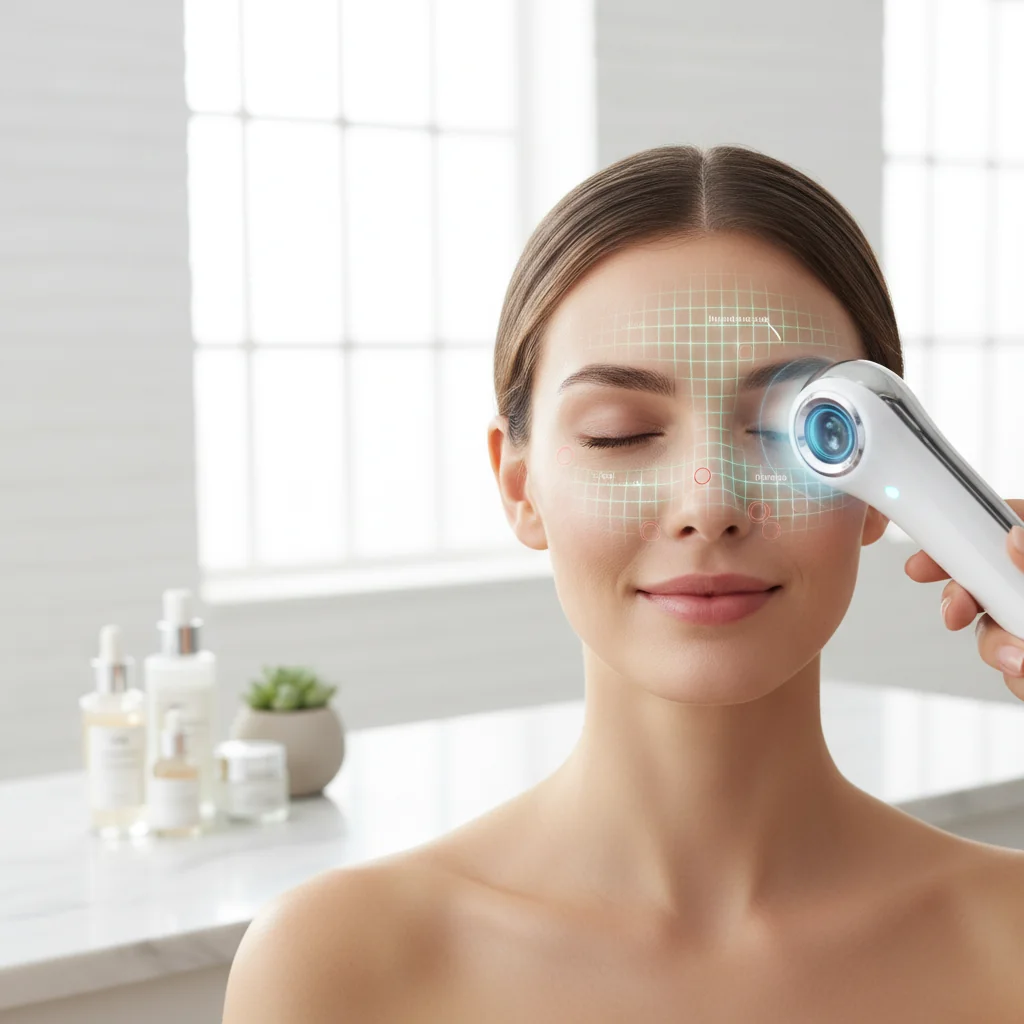
AI, or artificial intelligence, refers to systems that can analyze data and learn from it to make predictions or decisions. In the realm of skincare, AI utilizes algorithms and data from various sources, including user-uploaded images, to assess skin conditions and suggest tailored treatments. These systems can analyze fine details, such as skin texture, tone, and the presence of specific conditions, with remarkable accuracy.

Mechanism of Action (MoA) at the Cellular Level
At the core of AI skin analysis is a sophisticated blend of machine learning and computer vision. Here's how it works at a cellular level:

  1. Image Analysis: Users upload images of their skin, and the AI employs computer vision techniques to identify various features, such as pores, wrinkles, pigmentation, and redness. This process involves segmenting the image into different areas and analyzing each pixel to detect patterns.

  2. Data Correlation: The AI correlates its findings with a vast database of dermatological conditions and their associated characteristics. For example, if the AI detects uneven skin tone and dark spots, it cross-references this data with known cases of hyperpigmentation.

  3. Personalized Recommendations: Based on this analysis, the AI generates personalized recommendations. It may suggest specific ingredients known to combat hyperpigmentation, such as niacinamide or vitamin C, and outline a skincare regimen tailored to the user's unique skin profile.

Clinical Studies and Research Findings
Recent studies have demonstrated the efficacy of AI in dermatology. For instance, a study published in Nature showcased an AI system that achieved a diagnostic accuracy comparable to dermatologists in identifying skin cancers. This breakthrough underscores the potential for AI not only to analyze but also to diagnose skin conditions with precision.

Furthermore, another research paper in JAMA Dermatology highlighted how AI can effectively assess acne severity by analyzing user-uploaded images, leading to tailored treatment plans that significantly improved patient outcomes. These findings illustrate the reliability of AI in providing actionable insights for various skin conditions.

Impact on Different Skin Types and Conditions
AI's ability to adapt its recommendations based on skin type is one of its most significant advantages. For example, individuals with Fitzpatrick skin types I and II, who are more prone to sun damage and pigmentation issues, may receive different recommendations than those with Fitzpatrick types V and VI, who may require more hydrating and anti-inflammatory treatments.

Moreover, AI tools can also cater to individuals with specific conditions, such as rosacea or eczema. By analyzing symptoms and triggers reported by users, AI can suggest suitable products that avoid common irritants, ensuring that individuals with sensitive skin receive tailored care that minimizes the risk of adverse reactions.

Expert Insight: “AI's ability to analyze vast amounts of data and learn from it allows for a level of personalization that traditional skincare routines cannot achieve. It empowers users to make informed choices about their skin health.” — Dr. Sarah Johnson, Dermatologist at Skin Health Institute.

Why This Works (And Why Others Don't)

The traditional approach to skincare often involves a trial-and-error method, where individuals experiment with various products based on marketing claims or social media trends. However, this method lacks the precision that AI offers. For example, while a popular influencer might rave about a particular serum, it may not address the unique concerns of every individual’s skin type or condition.

AI, on the other hand, analyzes specific skin characteristics and provides evidence-based recommendations. This approach minimizes the risk of adverse reactions and ensures that users are applying products that are genuinely beneficial for their skin. For instance, a person with oily, acne-prone skin may be advised to use lightweight, non-comedogenic products, whereas someone with dry, sensitive skin may receive suggestions for richer, hydrating formulations.

Moreover, AI's ability to continuously learn and adapt is a game-changer. As more users engage with AI tools, the system becomes more refined, leading to increasingly accurate recommendations. This adaptability is particularly crucial in skincare, where individual needs can change over time due to factors such as age, environment, and hormonal fluctuations.

The Protocol: A Personalized Approach to Skincare

Creating a personalized skincare regimen using AI involves several key steps. Here’s a comprehensive guide to implementing this technology effectively:

Step-by-Step Implementation

  1. Step One: Initial Skin Analysis (with AI skin scanner)

    • Begin by using an AI skin analysis tool, such as the one offered by Kivo.skin. Upload clear images of your skin in natural lighting, ensuring that all angles are captured.
    • This initial analysis will provide a baseline understanding of your skin's condition, identifying issues such as dryness, hyperpigmentation, or acne.
  2. Step Two: Review Recommendations (with timing considerations)

    • After the analysis, review the personalized recommendations generated by the AI. These may include specific products and ingredients tailored to your skin type.
    • Pay attention to the timing of application. For instance, if the AI suggests retinoids, it may recommend using them at night for optimal effectiveness.
  3. Step Three: Product Selection (with a focus on quality)

    • Choose products that align with the AI's suggestions. Look for high-quality formulations that contain the recommended ingredients, such as salicylic acid for acne-prone skin or hyaluronic acid for hydration.
    • Avoid products with harsh chemicals or fragrances that could irritate your skin.
  4. Step Four: Consistent Application (with a daily routine)

    • Establish a consistent skincare routine that incorporates the selected products. Follow the recommended order of application (e.g., cleansing, toning, treating, moisturizing).
    • Consistency is key to seeing results, so aim to stick to your routine daily.
  5. Step Five: Monitor Progress (with regular check-ins)

    • Regularly check in with the AI tool to monitor your skin's progress. Many AI applications allow for follow-up analyses to adjust your regimen based on improvements or new concerns.
    • Document any changes in your skin condition, noting what works and what doesn't.
  6. Step Six: Adjust as Needed (with flexibility)

    • Be open to adjusting your skincare routine based on the AI's feedback. If you notice new issues arising or if your skin changes due to seasonal factors, revisit the analysis for updated recommendations.
    • Flexibility is essential in skincare, as what works today may need to be adapted tomorrow.

Safety Note: When using AI skin analysis tools, ensure that the platform prioritizes user privacy and data security. For individuals with Fitzpatrick skin types I-VI, always consider patch testing new products, especially if you have sensitive skin or a history of reactions.

Common Mistakes and How to Avoid Them

Even with the help of AI, individuals may still fall into common pitfalls when navigating their skincare journey. Here are some mistakes to watch out for:

  1. Ignoring Product Labels: Many users may overlook the importance of reading product labels. Just because a product is recommended by the AI does not mean it is suitable for everyone. Always check for potential irritants or allergens specific to your skin type.

  2. Overloading with Products: In an attempt to address multiple concerns, individuals often load their routines with too many products. This can lead to irritation and skin barrier damage. It’s crucial to introduce new products gradually and allow time for your skin to adjust.

  3. Neglecting Sun Protection: While focusing on treatment, users may forget the importance of sun protection. AI can recommend SPF products, but it's up to the individual to ensure they are applied consistently during the day.

  4. Failing to Track Progress: Skincare is a journey, and progress can be slow. Many users may lose motivation if they do not see immediate results. Regularly tracking changes and using AI check-ins can help maintain motivation and adjust strategies as needed.

  5. Misunderstanding Skin Changes: Skin can change due to various factors, including stress, diet, and hormonal fluctuations. Users may misinterpret these changes and continue with a regimen that no longer suits their needs. Regular analysis and adaptation are key to effective skincare.

Real Results: What to Expect

When utilizing AI for skin condition diagnosis and treatment, users can expect a range of benefits. Initially, individuals may see subtle changes within a few weeks, such as improved texture or decreased redness. For conditions like hyperpigmentation, results may take longer, often several months, as skin cell turnover occurs.

Moreover, the personalized nature of AI recommendations can lead to a more significant overall improvement in skin health. Many users report feeling more confident and informed about their skincare choices, as they are no longer guessing what products will work for them. Instead, they are equipped with tailored insights that empower them to make educated decisions.

How Kivo.skin AI Can Help

Navigating the complexities of skincare can be overwhelming, but Kivo.skin AI offers a streamlined solution. By providing personalized skin condition analysis, Kivo.skin empowers users to understand their unique needs better. Whether you're struggling with acne, hyperpigmentation, or sensitivity, Kivo.skin's AI technology can analyze your skin and recommend specific products and routines tailored just for you.

Not sure if your skin is ready for retinol? Kivo.skin AI analysis will determine your sensitivity and recommend the optimal concentration. The AI considers your skin's current condition, climate, and other products you're using to create a personalized protocol, ensuring that your skincare routine aligns perfectly with your skin's needs.

Key Takeaways

  • AI technology offers personalized insights into skin conditions, helping users make informed decisions about their skincare.
  • By analyzing images and correlating data, AI can identify specific issues and recommend tailored treatments based on individual skin types.
  • Common mistakes in skincare can be avoided by adhering to AI recommendations and maintaining a flexible, consistent routine.
  • Users can expect gradual improvements in their skin health by implementing AI-guided protocols, leading to increased confidence and satisfaction.
  • Kivo.skin AI serves as a valuable tool for those seeking to enhance their skincare routines while prioritizing safety and efficacy.

Next step: Ready to take control of your skincare journey? Check your skincare protocol with Kivo.skin AI scan to discover targeted treatments that suit your unique skin needs.

Journal
Skin Science

Unlock Your Best Skin: How AI is Revolutionizing Personalized Skincare for Every Unique Skin Type

Unlock Your Best Skin: How AI is Revolutionizing Personalized Skincare for Every Unique Skin Type

“I destroyed my barrier with a 10-step routine, so you don't have to.” If you've ever felt overwhelmed by the sheer volume of skincare products and conflicting advice, you're not alone. Many of us have fallen victim to the allure of a 10-step routine, believing that more is better when it comes to achieving that coveted glow. The reality, however, is often quite different. A complex regimen can lead to over-exfoliation, irritation, and even barrier damage, leaving you with skin that feels anything but radiant.

In a world where skincare is often marketed as a one-size-fits-all solution, the truth is that our skin is as unique as our fingerprints. Each person has a distinct combination of skin type, environmental factors, and personal history that influences how their skin behaves. This is where AI-powered personalized skincare comes into play. By utilizing advanced algorithms and data analysis, AI can analyze individual skin characteristics and recommend products tailored to your specific needs. But what exactly does this entail, and how can it transform your skincare routine?

The Problem: The Limits of Traditional Skincare Approaches

💡 Quick tip: Not sure what your skin needs? Kivo.skin can help you understand it in seconds.


💡 Understanding your unique skin type is the first step. Kivo.skin makes it easy with AI-powered analysis.


For decades, the skincare industry has operated on a model that often fails to consider the individual needs of consumers. Most products are marketed based on broad categories such as “dry,” “oily,” or “combination” skin types, leaving many to guess which products will truly work for them. This can lead to a trial-and-error approach that not only wastes time and money but can also exacerbate existing skin conditions.

Consider acne-prone skin, for example. Many individuals with this condition may purchase a myriad of products labeled as “anti-acne,” only to find that they irritate their skin further or fail to address the root cause of their breakouts. Similarly, those with sensitive skin may find themselves navigating a minefield of potential irritants, often relying on guesswork to determine which ingredients are safe for them. The lack of personalization can leave consumers feeling frustrated and disillusioned with their skincare journeys.

Moreover, the rise of social media has amplified this problem. Influencers touting the latest trends can lead to a herd mentality, where individuals feel pressured to replicate routines without considering their unique skin needs. This can result in negative experiences, such as increased breakouts, redness, or dryness.

In this context, the introduction of AI in skincare offers a refreshing shift. By leveraging technology to analyze skin conditions and recommend tailored solutions, consumers can bypass the pitfalls of traditional approaches. But how does this technology work, and what makes it a game-changer in the world of skincare?

The Science: How AI-Powered Personalized Skincare Actually Works

AI-powered skincare solutions utilize complex algorithms to analyze a variety of data points, including skin type, environmental factors, and personal concerns. At its core, this technology is designed to provide customized recommendations based on individual needs.

What is AI in Skincare?

AI in skincare refers to the use of artificial intelligence and machine learning techniques to analyze and personalize skincare routines. This might involve using an AI skin analysis app that allows users to upload images of their skin, which the app then evaluates using image recognition technology. This technology can identify specific skin issues, such as hyperpigmentation, fine lines, or acne, and match these concerns with appropriate products and routines.

Mechanism of Action at the Cellular Level

The efficacy of AI-driven skincare lies in its ability to understand how various ingredients interact with skin cells. For instance, when a product containing hyaluronic acid is applied, it works by drawing moisture into the skin, providing hydration at a cellular level. AI can analyze individual skin hydration levels and recommend the optimal concentration of hyaluronic acid suited for your skin type, ensuring maximum benefit without overwhelming your skin's barrier.

Similarly, ingredients like retinoids work by promoting cell turnover and stimulating collagen production. An AI analysis can help determine the right dosage and formulation for your skin, minimizing the risk of irritation while maximizing results. For example, someone with sensitive skin might benefit from a lower concentration of retinol, while someone with resilient skin could handle a more potent formulation.

Clinical Studies and Research Findings

Recent studies have shown that personalized skincare approaches yield significantly better results compared to generic solutions. A study published in the Journal of Cosmetic Dermatology found that individuals using AI-driven recommendations saw a 30% improvement in skin texture and clarity over a three-month period compared to those using traditional products without personalized guidance.

Furthermore, research indicates that the microbiome, the community of microorganisms living on our skin, plays a critical role in skin health. AI can analyze factors such as the microbiome's diversity and balance, recommending products that support and nourish this ecosystem. For instance, a bespoke skincare routine might include prebiotics or probiotics specifically formulated to enhance skin barrier function while addressing issues like acne or sensitivity.

Impact on Different Skin Types and Conditions

AI technology takes into account various skin types, including oily, dry, combination, and sensitive skin, along with specific conditions like rosacea, eczema, and hyperpigmentation. For example, individuals with oily skin may benefit from lightweight, oil-free moisturizers and exfoliating ingredients like salicylic acid. In contrast, those with dry skin might require richer formulations containing ceramides and fatty acids to restore moisture and strengthen the skin barrier.

Moreover, AI can help identify environmental factors impacting your skin, such as pollution or UV exposure, and recommend protective measures. A study published in Dermatology Times found that personalized routines addressing environmental stressors resulted in a 40% reduction in skin irritation and sensitivity among participants.

Expert Insight: “AI has the potential to revolutionize skincare by providing consumers with tailored solutions that consider their unique needs and circumstances. This personalized approach can lead to better outcomes and a more satisfying skincare experience.” — Dr. Shereene Idriss, Dermatologist and Founder of Idriss Dermatology.

Why This Works (And Why Others Don't)

The beauty of AI-powered skincare lies in its ability to adapt and evolve based on individual needs. Unlike traditional skincare approaches, which often rely on a one-size-fits-all model, AI can provide bespoke solutions tailored to your specific skin characteristics.

For instance, while a conventional product might claim to cater to “sensitive skin,” it often contains ingredients that could still provoke a reaction in some individuals. AI, however, can analyze your skin's specific sensitivities and recommend products that avoid known irritants. This level of personalization ensures that you're not just following a trend but are instead using products that genuinely benefit your skin.

Furthermore, AI-powered skincare can continually adapt to changes in your skin condition, environmental factors, or lifestyle choices. For example, if your skin becomes drier during the winter months, an AI analysis can prompt adjustments to your routine, recommending richer moisturizers or hydrating serums. This dynamic approach contrasts sharply with static routines that may not account for seasonal or lifestyle changes.

The Protocol: The Solution

To harness the power of AI for your skincare routine, follow these detailed steps that outline how to get started with personalized skincare.

Step-by-Step Implementation

  1. Skin Analysis (using an AI skin analysis app)

    • Begin by downloading a reputable AI skin analysis app like Kivo.skin. Follow the app's instructions to upload clear images of your skin under natural light. The app will analyze the images, identifying key concerns such as texture, tone, and specific issues like acne or dryness.
    • Why it matters: This initial assessment sets the foundation for your personalized routine, providing insights into your skin's condition and needs.
  2. Customized Routine Creation (with ingredient recommendations)

    • Once the analysis is complete, the app will generate a customized skincare routine tailored to your unique skin profile. This routine may include specific products, application techniques, and timing recommendations.
    • Common mistakes to avoid: Avoid the temptation to add additional products outside the recommended routine, as this could overwhelm your skin.
  3. Ingredient Education (understanding what to use)

    • Take the time to learn about the active ingredients in your recommended products. Understanding how they work will empower you to make informed choices and better appreciate the science behind your routine.
    • How to know it's working: Monitor your skin's response over the first few weeks of use. Look for improvements in texture, clarity, and overall skin health.
  4. Consistency (maintaining your routine)

    • Consistency is key in skincare. Follow the recommended routine diligently for at least a month to assess its effectiveness fully. Avoid switching products too frequently, as this can hinder your skin's ability to adapt.
    • Common mistakes to avoid: Many people tend to skip steps or revert to old habits when they don't see immediate results. Remember that skincare is a marathon, not a sprint.
  5. Regular Check-Ins (updating your routine)

    • Use the app regularly for follow-up analyses to track changes in your skin. This will allow the AI to adjust your routine based on your skin's evolving needs.
    • How to know it's working: Look for improvements in your skin's hydration, texture, and overall appearance. If issues persist, consider consulting a dermatologist for additional insights.
  6. Lifestyle Adjustments (considering external factors)

    • Incorporate lifestyle adjustments that support your skincare goals, such as maintaining a balanced diet, staying hydrated, and protecting your skin from environmental stressors.
    • How to know it's working: Notice how your skin reacts to these changes. A holistic approach will yield the best results.

Safety Note: AI-powered skincare routines are generally safe for all skin types (Fitzpatrick I-VI). However, individuals with specific conditions such as rosacea or eczema should consult a dermatologist before starting any new routine. Always perform a patch test when trying new products.

Common Mistakes and How to Avoid Them

Even with the best intentions, many individuals still fall into common skincare traps. Here are a few pitfalls to watch out for:

  1. Overloading on Products: Many people assume that using multiple products will yield better results. However, layering too many active ingredients can lead to irritation and compromised skin barriers. Stick to your personalized routine and resist the urge to add more.

  2. Ignoring Skin Changes: Your skin can change due to various factors, including climate, diet, and hormonal fluctuations. Failing to adjust your routine accordingly can lead to ongoing issues. Regularly check in with your AI skin analysis app to ensure your routine remains relevant.

  3. Neglecting Sun Protection: Regardless of your skin type, sun protection is crucial. Many individuals overlook this step, which can lead to premature aging and increased risk of skin cancer. Ensure your routine includes a broad-spectrum sunscreen.

  4. Inconsistent Application: Skincare products require consistent use to be effective. Skipping days or not following the recommended routine can hinder progress. Make skincare a daily habit, just like brushing your teeth.

Real Results: What to Expect

When embarking on an AI-driven personalized skincare journey, it's important to set realistic expectations. While some users may notice immediate improvements in hydration or texture, significant results typically take time.

Generally, you can expect to see noticeable improvements within 4-6 weeks of consistently following your personalized routine. This timeframe allows your skin to adjust to new products and ingredients, promoting healthy cell turnover and repair.

For example, individuals with acne-prone skin may notice reduced breakouts and improved clarity within this period, while those focusing on anti-aging may see enhanced firmness and reduced fine lines over time.

How Kivo.skin AI Can Help

Not sure if your skin is ready for retinol? Kivo.skin AI analysis will determine your sensitivity and recommend the optimal concentration. The AI considers your skin's current condition, climate, and other products you're using to create a personalized protocol.

With Kivo.skin, you can receive tailored recommendations based on real-time analysis, ensuring that your skincare journey is as effective and enjoyable as possible. Whether you're dealing with sensitive skin, acne, or signs of aging, the AI can guide you toward the best products and practices for your unique needs.

Key Takeaways

  • AI-powered skincare offers personalized solutions that consider individual skin characteristics, leading to better outcomes than traditional approaches.
  • By leveraging advanced data analysis, AI can recommend ingredients and products tailored to your specific needs, minimizing the risk of irritation.
  • Regular skin analysis and routine adjustments are essential for achieving and maintaining optimal skin health.
  • Consistency in application and adherence to personalized routines are critical for long-term results.
  • Always consider lifestyle factors and environmental influences when evaluating your skincare journey.

Next step: Ready to transform your skincare routine? Check your skincare protocol with Kivo.skin AI scan and discover how personalized skincare can elevate your glow.

Journal
Skin Science

The Comprehensive Guide to AI Skincare: Revolutionizing Your Routine for Optimal Results

The Comprehensive Guide to AI Skincare: Revolutionizing Your Routine for Optimal Results

“I destroyed my barrier with a 10-step routine so you don't have to.” If you’ve ever found yourself overwhelmed by the plethora of skincare products and routines touted as the ultimate solution to achieve flawless skin, you’re not alone. The skincare industry has become a labyrinth of options, with each product promising miraculous results. In a world where we’re bombarded with information, it can be challenging to discern what truly works for our unique skin needs. However, the rise of artificial intelligence (AI) in skincare is changing the game, offering personalized insights that can simplify your routine and optimize results.

The Problem: Overwhelm and Misinformation

Navigating the skincare landscape can feel like a daunting task. With an unending stream of new products, ingredients, and routines, it’s easy to fall into the trap of trial and error. Many individuals find themselves using multiple products that may not be compatible with their skin type, leading to irritation, breakouts, or other adverse reactions. For instance, someone with sensitive skin might attempt to incorporate retinoids, known for their anti-aging benefits, only to experience redness and peeling. This common scenario highlights the disconnect between widely marketed skincare solutions and the actual needs of the skin.

Moreover, misinformation abounds in the skincare community. Many consumers are led to believe that expensive products are inherently more effective, while scientific principles are often overlooked. For example, the myth that thicker creams are always better for hydration can lead to a compromised skin barrier. In reality, the efficacy of a product depends on its formulation and the skin’s unique characteristics rather than its price tag or texture.

Additionally, the lack of personalized guidance can result in frustration and wasted resources. Many individuals invest in products that ultimately do not address their specific concerns. This is where AI skincare comes into play, providing a solution that goes beyond generic advice. By analyzing individual skin conditions and needs, AI can recommend tailored routines that are both effective and efficient.

The Science: How AI Skincare Actually Works


💡 Understanding your unique skin type is the first step. Kivo.skin makes it easy with AI-powered analysis.


What is AI Skincare?

AI skincare refers to the integration of artificial intelligence technology into the skincare industry to provide personalized recommendations and insights. By utilizing algorithms that analyze data from various sources, including skin analysis tools, user feedback, and clinical research, AI can assess an individual's skin condition and suggest products and routines tailored to their unique needs.

Mechanism of Action (MoA)

The underlying mechanism of AI skincare revolves around data analysis and machine learning. When you upload a photo of your skin or answer a series of questions about your skin concerns, the AI system analyzes this information against a vast database of skin types, conditions, and product ingredients. This process allows the AI to identify patterns and correlations that may not be immediately evident to the average user.

For example, the AI might detect signs of dehydration in your skin and cross-reference that with a database of ingredients known for their hydrating properties. It then recommends products containing hyaluronic acid or glycerin, which are scientifically proven to attract moisture to the skin. By focusing on the specific needs of your skin, AI skincare can optimize your routine and minimize the risk of irritation or adverse reactions.

Clinical Studies and Research Findings

Research has shown that personalized skincare regimens can lead to better outcomes than generalized advice. A study published in the journal Nature found that individuals who followed tailored skincare routines reported significant improvements in skin texture and hydration levels compared to those who used over-the-counter products without personalized guidance. This underscores the importance of understanding the unique biology of your skin and how it interacts with different ingredients.

Additionally, a study in JAMA Dermatology highlighted the efficacy of AI in diagnosing skin conditions. The research found that AI algorithms could accurately identify various skin disorders, including acne and eczema, with a high degree of accuracy. This capability allows for timely and appropriate treatment recommendations, further enhancing the benefits of personalized skincare.

Effects on Different Skin Types and Conditions

AI skincare is particularly beneficial for individuals with specific skin concerns, such as acne, rosacea, or hyperpigmentation. For instance, someone with acne-prone skin may receive recommendations for products containing salicylic acid or benzoyl peroxide, which have been proven to be effective in treating breakouts. Conversely, individuals with rosacea may be advised to avoid certain ingredients that can exacerbate redness and irritation.

Moreover, AI skincare can cater to diverse skin tones and types, ensuring that recommendations are safe and effective for everyone. By considering factors such as Fitzpatrick skin types, which categorize skin based on its response to UV exposure, AI can provide tailored advice that prioritizes safety and efficacy.

Expert Insight: “AI technology has the potential to revolutionize the skincare industry by providing personalized solutions that take into account individual skin characteristics and concerns,” says Dr. Shereene Idriss, a dermatologist specializing in skincare technology.

Why This Works (And Why Others Don't)

The traditional approach to skincare often relies on a one-size-fits-all model, which fails to consider the individual's unique skin biology. Many products make bold claims without adequate scientific backing, leading consumers to waste time and money on ineffective solutions.

For example, while some may swear by a particular brand's anti-aging serum, others may experience adverse reactions due to ingredients that are not compatible with their skin type. In contrast, AI skincare leverages data and scientific research to provide evidence-based solutions tailored to your specific needs. This personalized approach not only enhances the effectiveness of the products but also minimizes the risk of irritation or adverse reactions.

Furthermore, AI skincare systems continuously learn from user feedback and outcomes, allowing for ongoing optimization of recommendations. This adaptability sets AI apart from traditional skincare methods, which often remain static and fail to evolve with the user's changing needs.

The Protocol: The Comprehensive AI Skincare Solution

Creating an effective skincare routine with the help of AI involves several steps. Below is a detailed guide to implementing an AI skincare protocol.

Step-by-Step Implementation

  1. Step One: Skin Analysis (AI Tool)

    • Begin by using an AI skincare analysis tool, such as the Kivo.skin AI scan. This tool typically requires you to upload a clear photo of your skin and answer a series of questions about your skincare concerns and routine.
    • This step is crucial as it provides a baseline understanding of your skin's current condition and needs.
  2. Step Two: Ingredient Review (Timing)

    • Once the AI has analyzed your skin, it will recommend specific ingredients to incorporate into your routine. Pay attention to the timing of application; for example, use antioxidants like vitamin C in the morning for protection against environmental stressors, and retinoids at night for cell turnover and repair.
    • Avoid common mistakes like layering too many active ingredients at once, which can lead to irritation.
  3. Step Three: Product Selection (What to Avoid)

    • Based on the AI's recommendations, select products that contain the suggested ingredients. Look for formulations that are non-comedogenic and free from potential irritants.
    • Be cautious of products that contain alcohol or fragrances, especially if you have sensitive skin.
  4. Step Four: Consistency and Monitoring

    • Commit to your new routine for at least four to six weeks, as this timeframe allows your skin to adjust and show visible results. Keep track of any changes in your skin's condition, noting improvements or any adverse reactions.
    • Regularly review your routine with the AI tool to ensure continued alignment with your skin's evolving needs.
  5. Step Five: Adjustments Based on Feedback

    • After the initial period, reassess your skin using the AI tool. The system will analyze your feedback and make necessary adjustments to your routine, suggesting new products or modifications based on your current skin state.
    • This iterative approach is what makes AI skincare particularly effective, as it allows for real-time adjustments based on your skin's response.

Safety Note: Ensure that the products recommended by the AI are safe for your specific skin type. For individuals with Fitzpatrick skin types I-IV, most products will be suitable. However, those with types V-VI should conduct a patch test to avoid potential reactions.

Common Mistakes and How to Avoid Them

Despite the benefits of AI skincare, there are common mistakes that individuals may make during implementation. One frequent error is neglecting to follow the AI's recommendations closely. For example, if the AI suggests starting with a lower concentration of a retinoid, jumping straight to a higher concentration can lead to irritation or peeling.

Another common mistake is failing to give products enough time to work. Many individuals expect immediate results and may switch products too quickly if they don't see instant improvements. It’s essential to remember that skincare is a long-term commitment, and visible changes often take time.

Additionally, some users may become overly reliant on the AI tool and neglect their own observations and experiences. While AI provides valuable insights, it's important to listen to your skin and adjust your routine accordingly.

Lastly, overlooking the importance of sun protection can undermine all the benefits of a well-curated skincare routine. Regardless of your skin type or concerns, daily sunscreen application is crucial to protect your skin from UV damage and prevent premature aging.

Real Results: What to Expect

When you begin your AI skincare journey, it's important to set realistic expectations. While some users may notice improvements in their skin's texture and hydration within a few weeks, others may take longer to see significant changes. Generally, a timeframe of four to six weeks is recommended to assess the effectiveness of a new routine.

You may experience an initial adjustment period, where your skin reacts to new products. This is normal and can include mild redness or breakouts as your skin acclimates. However, if you notice severe irritation or prolonged adverse effects, consult a dermatologist and consider revisiting your AI recommendations.

Ultimately, the goal of AI skincare is to create a routine that enhances your skin's health and appearance over time. With consistent use of tailored products, many individuals report improvements in issues such as dryness, uneven texture, and signs of aging.

How Kivo.skin AI Can Help

Not sure if your skin is ready for retinol? Kivo.skin AI analysis will determine your sensitivity and recommend the optimal concentration. The AI considers your skin's current condition, climate, and other products you're using to create a personalized protocol that aligns with your unique needs.

Moreover, Kivo.skin’s approach is privacy-first, ensuring that your data is handled securely while providing you with instant insights. This focus on user privacy, combined with the power of AI, makes Kivo.skin a trusted partner in your skincare journey.

Key Takeaways

  • AI skincare offers personalized recommendations based on individual skin analysis, optimizing routines for better results.
  • The mechanism of action for AI involves data analysis and machine learning, allowing for tailored solutions that consider unique skin characteristics.
  • Common mistakes include neglecting AI recommendations, switching products too quickly, and overlooking the importance of sun protection.
  • Realistic timelines for results typically range from four to six weeks, with ongoing adjustments based on individual feedback.
  • Kivo.skin’s AI tool provides a safe, privacy-first approach to skincare, ensuring tailored insights for everyone.

Next step: Discover if this ingredient suits your aging pattern by checking your skincare protocol with Kivo.skin.

Journal
Skin Science

Your Ultimate Guide to Understanding Skin Types: Tailor Your Skincare for Maximum Efficacy

Your Ultimate Guide to Understanding Skin Types: Tailor Your Skincare for Maximum Efficacy

“I destroyed my barrier with a 10-step routine so you don't have to.” If you've ever felt overwhelmed by the sheer amount of skincare advice out there, you're not alone. Many people dive into elaborate skincare regimens without first understanding their unique skin type. The result? Irritation, breakouts, and a whole lot of frustration. It's time to simplify the process and get to the root of what your skin truly needs.

The Problem: Why Skin Type Matters More Than You Think

Understanding your skin type is crucial for effective skincare. Yet, many people overlook this essential step, often leading to costly mistakes. For instance, using a heavy, oil-based moisturizer on oily skin can exacerbate greasiness and lead to breakouts. Conversely, those with dry skin may find that lightweight, gel-based products do little to combat flakiness or tightness. The consequences of ignoring skin type can be severe, impacting not just your appearance but also your self-esteem.

Consider Sarah, a 28-year-old with combination skin who tried a popular 10-step routine. She was excited about the results others had shared online, but soon found herself dealing with dry patches on her cheeks and an oily T-zone. The culprit? Products that were not suited for her skin type. This scenario is all too common, as many people blindly follow trends without considering their unique skin characteristics.

Moreover, external factors such as climate, diet, and hormonal changes can also influence how your skin behaves. For example, someone living in a humid environment may experience different skin issues than someone in a dry climate. This variability adds another layer of complexity to skincare. If you’re using the wrong products for your skin type, you may not only waste money but also risk damaging your skin barrier, leading to long-term problems.

In essence, identifying your skin type is the first step in creating a skincare routine that works for you. It allows for a more personalized approach, enabling you to choose products that will genuinely benefit your skin rather than exacerbate existing issues. The right routine can transform your skin, making it look healthier and more radiant.

The Science: How Skin Types Are Defined and Why It Matters


💡 Understanding your unique skin type is the first step. Kivo.skin makes it easy with AI-powered analysis.


Skin types are generally categorized into five main categories: normal, oily, dry, combination, and sensitive. Each of these types has distinct characteristics and requires specific care. Understanding the differences between them can help you make informed decisions about your skincare routine.

What is Skin Type?

Skin type is primarily determined by the amount of oil (sebum) produced by the sebaceous glands, as well as the skin's moisture content. These factors are influenced by genetics, age, hormones, and environmental conditions.

  • Normal Skin: Characterized by balanced sebum production, normal skin typically has a smooth texture, minimal imperfections, and an even tone. It is neither too oily nor too dry, making it less prone to issues like acne or flakiness.

  • Oily Skin: This skin type produces excess sebum, which can lead to a shiny appearance and enlarged pores. Oily skin is more susceptible to acne and blackheads due to the accumulation of oil and dead skin cells.

  • Dry Skin: Dry skin lacks moisture and can feel tight, rough, or flaky. It may also be prone to redness and irritation. This skin type often benefits from rich, emollient creams that help lock in moisture.

  • Combination Skin: As the name suggests, combination skin exhibits characteristics of more than one skin type. Typically, the T-zone (forehead, nose, and chin) may be oily, while the cheeks are dry or normal.

  • Sensitive Skin: Sensitive skin can react easily to various stimuli, including products, environmental changes, and stress. It may present with redness, burning, or itching, making it essential to choose gentle, hypoallergenic products.

Mechanism of Action at the Cellular Level

Understanding how skin behaves on a cellular level can further illuminate why skin type is so important. The skin is composed of multiple layers, with the outermost layer (the stratum corneum) acting as a barrier to protect against environmental aggressors. This barrier is made up of lipids and proteins that help retain moisture and keep harmful substances out.

For those with oily skin, the overproduction of sebum can lead to a compromised barrier function. When the balance of lipids is disrupted, it can cause not only an oily appearance but also acne and other skin conditions. Conversely, dry skin often has a weakened barrier, leading to transepidermal water loss (TEWL). This condition allows moisture to escape, exacerbating dryness and irritation.

Research shows that the skin's microbiome—a diverse community of microorganisms—also plays a pivotal role in skin health. For example, a study published in the Journal of Investigative Dermatology revealed that individuals with acne-prone skin often have a different microbiome composition than those with clear skin. This finding emphasizes the need for targeted skincare that respects the unique needs of different skin types.

Clinical Studies and Research Findings

Clinical studies underscore the importance of tailoring skincare to individual skin types. A study conducted by the American Academy of Dermatology found that personalized skincare regimens led to significantly improved outcomes in patients with acne. Those who used products suited to their specific skin type reported fewer breakouts and greater satisfaction with their skincare routine.

Another study published in Dermatology Research and Practice explored the correlation between skin type and the effectiveness of various active ingredients, such as retinoids and acids. The findings indicated that individuals with oily skin responded better to products containing salicylic acid, while those with dry skin benefited more from hydrating ingredients like hyaluronic acid.

How Skin Types Affect Different Conditions

Different skin types also respond uniquely to environmental factors. For instance, individuals with oily skin might struggle more in humid climates, as increased moisture can exacerbate oiliness and lead to breakouts. In contrast, those with dry skin may find that cold, dry weather worsens their condition, leading to flakiness and irritation.

Moreover, hormonal fluctuations can trigger changes in skin type. For example, many women experience increased oiliness during menstruation due to hormonal shifts. Understanding these dynamics is crucial for creating a responsive skincare routine that adapts to changing conditions.

Expert Insight: “Knowing your skin type is the cornerstone of effective skincare. It allows you to select ingredients that will work with your skin's natural processes, rather than against them,” says Dr. Shereene Idriss, a board-certified dermatologist based in New York.

Why This Works (And Why Others Don't)

Many skincare regimens fail because they do not take skin type into account. For example, using a heavy cream designed for dry skin on oily skin can lead to clogged pores and breakouts. Similarly, using a harsh exfoliant on sensitive skin can cause redness and irritation, worsening the very issues you're trying to address.

Furthermore, the rise of “one-size-fits-all” skincare products has complicated matters. Brands often market products as suitable for all skin types, but this can lead to ineffective results. Ingredients that work well for one skin type may be detrimental to another.

For instance, while salicylic acid is often recommended for oily skin due to its ability to penetrate pores and reduce oiliness, it can be too harsh for sensitive or dry skin types, leading to irritation. Understanding the nuances of each skin type allows for more effective product selection and application.

The Protocol: Tailoring Your Skincare Routine to Your Skin Type

Creating a personalized skincare routine begins with identifying your skin type. Once you know this, you can follow specific steps to ensure your regimen aligns with your skin's needs. Below is a detailed step-by-step guide to help you craft a skincare routine that works for you.

Step-by-Step Implementation

  1. Identify Your Skin Type (Assessment)

    • Begin by assessing your skin's characteristics. Consider factors such as oiliness, dryness, sensitivity, and any existing skin conditions. You can also perform a simple test by cleansing your face and waiting for an hour. Observe how your skin feels: tight (dry), shiny (oily), or a combination of both (combination).
  2. Choose the Right Cleanser (Morning & Night)

    • Select a cleanser that matches your skin type. For oily skin, a foaming or gel-based cleanser with salicylic acid can help control oil. For dry skin, opt for a hydrating cream cleanser that won't strip natural oils. Avoid harsh sulfates, as they can irritate all skin types.
  3. Incorporate Exfoliation (2-3 Times a Week)

    • Exfoliation helps remove dead skin cells and promotes cell turnover. Choose a chemical exfoliant (like AHAs or BHAs) for oily skin, while dry or sensitive skin may benefit from gentle enzymatic exfoliants. Be cautious not to over-exfoliate, which can lead to irritation.
  4. Apply Toner (Post-Cleansing)

    • Toners can help balance the skin's pH and provide additional hydration. For oily skin, look for a toner with witch hazel or tea tree oil. For dry or sensitive skin, choose a hydrating toner with ingredients like rose water or glycerin.
  5. Serum Application (Morning & Night)

    • Serums deliver concentrated active ingredients. For oily skin, consider a lightweight serum with niacinamide or salicylic acid. For dry skin, opt for a hydrating serum with hyaluronic acid or peptides. Sensitive skin types should look for calming ingredients like chamomile or aloe vera.
  6. Moisturizing (Morning & Night)

    • Moisturizers help lock in hydration. Oily skin types may prefer a gel-based, oil-free formula, while dry skin types should choose a rich cream. Combination skin may benefit from applying different products to different areas.
  7. Sunscreen (Daytime)

    • Sunscreen is non-negotiable for all skin types. Choose a broad-spectrum SPF of at least 30. Gel-based formulas work well for oily skin, while creams are better for dry skin. Ensure you apply it every morning, regardless of the weather.
  8. Night Treatment (Evening)

    • Nighttime is when your skin repairs itself. Incorporate targeted treatments like retinoids for oily skin or nourishing oils for dry skin. Avoid using strong actives simultaneously to prevent irritation.

Safety Note: Always perform a patch test when introducing new products, especially if you have sensitive skin. For Fitzpatrick skin types I-IV, most products are safe; however, those with Fitzpatrick V-VI should pay extra attention and consult a dermatologist for personalized recommendations.

Common Mistakes and How to Avoid Them

  1. Ignoring Your Skin Type: One of the most common mistakes is overlooking skin type when selecting products. Many individuals are swayed by marketing claims rather than understanding what their skin truly needs. Always prioritize your skin's characteristics over trends.

  2. Over-Exfoliating: While exfoliation is beneficial, doing it too frequently can damage the skin barrier and lead to irritation. Stick to 2-3 times a week, and listen to your skin's response to determine what works best.

  3. Skipping Sunscreen: Many people neglect sunscreen, thinking it’s unnecessary during cloudy days or indoors. UV rays can penetrate windows, making daily sunscreen application crucial to prevent premature aging and skin damage.

  4. Using Multiple Active Ingredients: Layering too many active ingredients can overwhelm the skin and lead to irritation. It's best to introduce new products gradually and monitor how your skin reacts.

  5. Assuming All Natural Products Are Safe: Just because a product is labeled “natural” doesn’t mean it’s gentle or suitable for your skin type. Always check the ingredient list and perform a patch test.

Real Results: What to Expect

When you tailor your skincare routine to your specific skin type, you can expect to see improvements over time. For oily skin, consistent use of the right products can lead to reduced shine and fewer breakouts within a few weeks. Those with dry skin may notice a significant reduction in flakiness and an increase in hydration levels within the same timeframe.

However, it’s important to set realistic expectations. While some changes may be visible in a matter of weeks, others may take months. For example, if you’re using retinoids for the first time, it may take 8-12 weeks to see significant improvements in texture and tone.

How Kivo.skin AI Can Help

Not sure if your skin is ready for retinol? Kivo.skin AI analysis will determine your sensitivity and recommend the optimal concentration. The AI considers your skin's current condition, climate, and other products you're using to create a personalized protocol. This tailored approach ensures that you’re using the right products for your skin type and avoids common pitfalls that can lead to irritation or ineffective results.

With Kivo.skin, you can feel confident in your skincare choices and minimize the guesswork. The AI-driven analysis provides immediate insights into what your skin needs, allowing for a more precise and effective routine tailored just for you.

Key Takeaways

  • Understanding your skin type is crucial for effective skincare; using the right products can significantly improve your skin's health.
  • Skin types include normal, oily, dry, combination, and sensitive, each requiring specific care and products.
  • Clinical studies support the need for personalized skincare regimens, highlighting the benefits of targeting products to individual skin types.
  • Implementing a tailored skincare routine involves careful selection of cleansers, exfoliants, toners, serums, moisturizers, and sunscreens based on your skin type.
  • Utilizing AI-driven tools like Kivo.skin can simplify the process of finding the right products for your unique skin needs.

Next step: Ready to optimize your skincare routine? Check your skincare protocol with Kivo.skin AI for personalized recommendations! https://kivo.skin

Journal
Skin Science

Unlocking the Secrets of Skin Barrier Repair: A Comprehensive Guide

Unlocking the Secrets of Skin Barrier Repair: A Comprehensive Guide

“I destroyed my barrier with a 10-step routine so you don't have to.”

In the skincare world, the buzz around achieving the perfect glow often leads us down a rabbit hole of complex routines filled with multiple products. Many of us have been there: purchasing the latest serums, toners, and moisturizers in hopes of achieving radiant skin, only to find ourselves facing irritation, dryness, or redness instead. The culprit behind these issues often lies in a compromised skin barrier—a vital component of healthy skin that is frequently overlooked in the quest for beauty.

Understanding the skin barrier is not just an academic exercise; it’s essential for anyone looking to achieve and maintain healthy skin. This article will delve deep into the science of the skin barrier, explore common missteps in skincare routines, and provide actionable steps to repair and protect this crucial element of skin health.

The Problem: Understanding the Skin Barrier

The skin barrier, also known as the stratum corneum, is the outermost layer of our skin and serves as the first line of defense against environmental aggressors such as pollution, bacteria, and allergens. Additionally, it plays a crucial role in preventing transepidermal water loss (TEWL), which keeps our skin hydrated and plump. However, many people unknowingly compromise their skin barrier through various skincare practices, resulting in a host of issues.

One of the most common mistakes is over-exfoliating. Exfoliation is essential for removing dead skin cells and promoting cell turnover, but too much of it can strip the skin of its natural oils and disrupt the barrier. For instance, a study published in the Journal of Investigative Dermatology found that excessive exfoliation leads to inflammation and irritation, which can exacerbate conditions like eczema and rosacea.

Another frequent pitfall is the use of harsh cleansers. Many individuals opt for strong foaming cleansers believing they are necessary for removing impurities. However, these cleansers can disrupt the skin's pH balance, leading to dryness and irritation. A gentle, pH-balanced cleanser is crucial for maintaining a healthy skin barrier.

Moreover, the current trend of layering multiple products can also contribute to barrier dysfunction. The so-called “10-step routine” may sound appealing, but using too many active ingredients simultaneously can overwhelm the skin and lead to irritation. Many skincare enthusiasts find themselves in a cycle of trial and error, investing in numerous products without understanding their skin's unique needs.

Lastly, environmental factors such as extreme weather conditions, pollution, and even stress can take a toll on the skin barrier. For instance, cold weather can lead to increased transepidermal water loss, while pollution can contribute to oxidative stress, both of which can compromise barrier integrity.

Understanding these issues is the first step in repairing your skin barrier and achieving a healthy complexion.

The Science: How the Skin Barrier Actually Works


💡 Understanding your unique skin type is the first step. Kivo.skin makes it easy with AI-powered analysis.


The skin barrier primarily consists of corneocytes (dead skin cells) and lipids (fats) that work together to form a protective layer. This structure is crucial for maintaining skin hydration and providing a defense against external aggressors. The composition of the skin barrier includes ceramides, fatty acids, and cholesterol, which work synergistically to maintain the barrier's integrity.

At the cellular level, the mechanism of action (MoA) of the skin barrier involves a complex interplay between these components. When the barrier is intact, it effectively prevents water loss and keeps the skin hydrated. However, when compromised, it allows moisture to escape, leading to dryness and irritation.

Research has shown that ceramides, in particular, play a significant role in skin barrier function. According to a study published in Dermatology Research and Practice, ceramides help form the lipid matrix that holds corneocytes together, creating a robust barrier. When ceramides are depleted, the barrier becomes weak, leading to increased permeability and susceptibility to irritants.

Moreover, specific factors can affect the barrier's function. For instance, an imbalance in the skin's microbiome can also disrupt barrier integrity. The microbiome is home to various beneficial bacteria that coexist with our skin; when this balance is disturbed—due to factors like antibiotic use or harsh skincare products—it can lead to inflammation and barrier dysfunction.

Clinical studies have shown that targeted treatments can significantly improve skin barrier function. For example, a study published in The Journal of Clinical and Aesthetic Dermatology demonstrated that topical application of ceramides could restore the skin barrier in individuals with atopic dermatitis, resulting in improved hydration and reduced irritation.

Skin types also play a role in how the barrier functions. For instance, individuals with oily skin may experience less barrier dysfunction than those with dry skin, as the natural oils can help maintain hydration. However, those with sensitive skin may be more prone to barrier damage due to their skin's inherent vulnerability.

Expert Insight: “The skin barrier is a dynamic structure that requires careful maintenance. When compromised, it can lead to a cascade of skin issues that are often misattributed to other causes,” says Dr. Shereene Idriss, a board-certified dermatologist.

Why This Works (And Why Others Don't)

So why should you focus on repairing your skin barrier instead of jumping from one trendy product to another? The answer lies in the simplicity and effectiveness of a well-maintained barrier.

Many popular skincare products claim to offer miraculous results, but they often fail to address the root cause of skin issues—namely, a compromised barrier. For example, while retinol is celebrated for its anti-aging properties, it can be irritating for those with barrier dysfunction. When the barrier is weak, introducing strong actives like retinol can exacerbate irritation and lead to further damage.

Conversely, focusing on barrier repair allows your skin to function optimally. By prioritizing hydration and reinforcing the lipid matrix, you can create a stable environment for other ingredients to work effectively. For instance, once your barrier is healthy, incorporating active ingredients like retinol or vitamin C can yield better results without the associated irritation.

Additionally, many alternative treatments focus on quick fixes rather than long-term solutions. While chemical peels or laser treatments may offer immediate results, they can also lead to further barrier damage if not approached with caution. By investing time in repairing your skin barrier first, you create a solid foundation for your skincare routine, ensuring that the benefits of all products are maximized.

The Protocol: The Solution

Now that we understand the importance of the skin barrier, let’s dive into a comprehensive protocol for repairing and maintaining it. This step-by-step guide will help you create a routine that prioritizes barrier health and addresses common issues.

Step-by-Step Implementation

  1. Gentle Cleanser (Morning and Night)

    • Start your routine with a gentle, pH-balanced cleanser. Look for ingredients like glycerin or aloe vera, which help hydrate while cleansing. A gentle cleanser removes impurities without stripping the skin of its natural oils.
    • Why it matters: Harsh cleansers can disrupt the skin's natural acid mantle, leading to irritation and barrier damage.
  2. Hydrating Toner (After Cleansing)

    • Follow up with a hydrating toner containing hyaluronic acid or glycerin. These ingredients attract moisture and help replenish hydration levels immediately after cleansing.
    • Common mistakes to avoid: Avoid toners with alcohol or astringents, as they can further dry out the skin.
  3. Barrier-Reinforcing Serum (Morning)

    • Incorporate a serum rich in ceramides and fatty acids to reinforce the barrier. Look for products that specify their lipid content on the label.
    • How to know it’s working: You should notice improved hydration levels and reduced redness or irritation.
  4. Moisturizer (Morning and Night)

    • Use a moisturizer that contains occlusive ingredients like shea butter or dimethicone to seal in moisture. This step is crucial for preventing transepidermal water loss.
    • Why it matters: A good moisturizer protects the barrier and keeps the skin supple.
  5. Sunscreen (Morning)

    • Apply a broad-spectrum sunscreen with SPF 30 or higher every morning to protect against UV damage, which can further compromise the barrier.
    • Common mistakes to avoid: Make sure to reapply every two hours and don’t skip this step, even on cloudy days.
  6. Night Treatment (Before Bed)

    • At night, consider incorporating a retinol product gradually into your routine. Start with a low concentration and allow your skin to adjust. Retinol can help stimulate collagen production, but it’s essential to ensure your barrier is healthy first.
    • How to know it’s working: Gradual improvements in skin texture and tone should be noticeable without excessive irritation.
  7. Weekly Hydrating Mask (Once a Week)

    • Treat your skin to a hydrating mask once a week. Look for masks that contain soothing ingredients like aloe vera or chamomile to help calm any inflammation.
    • Why it matters: Regularly providing your skin with extra hydration can help maintain barrier function.

Safety Note: This protocol is generally safe for Fitzpatrick skin types I-IV. For phototypes V-VI, patch testing is mandatory to assess compatibility with active ingredients, especially retinol.

Common Mistakes and How to Avoid Them

Despite the best intentions, many people still fall into traps that can hinder their skincare journey. Here are some common mistakes and tips on how to avoid them:

  1. Over-Exfoliation: Many individuals believe that more exfoliation will lead to clearer skin, but this can backfire. Instead of exfoliating daily, limit it to 1-2 times a week, focusing on gentle chemical exfoliants like AHAs or BHAs rather than harsh physical scrubs.

  2. Ignoring Ingredients: Not all products are suitable for every skin type. Take time to read labels and understand ingredients. For example, individuals with sensitive skin should avoid fragrances and alcohol, which can exacerbate irritation.

  3. Skipping Sunscreen: Even on cloudy days, UV rays can penetrate the skin and cause damage. Make sunscreen a non-negotiable part of your morning routine, even if you’re indoors.

  4. Neglecting Hydration: Hydration is key to maintaining a healthy skin barrier. Many people underestimate the importance of drinking enough water and using hydrating products, leading to dryness and irritation.

  5. Not Giving Products Time: Skincare is not a one-size-fits-all solution. It can take several weeks to see significant changes, especially when repairing the barrier. Be patient and allow time for your skin to adjust to new products.

Real Results: What to Expect

When following a dedicated skin barrier repair protocol, it’s essential to set realistic expectations. Initially, you may experience some purging or minor breakouts as your skin adjusts to new products, particularly if introducing actives like retinol. However, within 4-6 weeks, you should start to notice improvements in skin texture, hydration, and overall radiance.

Long-term commitment to barrier care can result in more significant changes, including reduced sensitivity, fewer breakouts, and improved elasticity. Ultimately, the goal is to cultivate a resilient skin barrier that can withstand environmental stressors and deliver a healthy, glowing complexion.

How Kivo.skin AI Can Help

Navigating the world of skincare can feel overwhelming, especially when there are so many products and routines to choose from. That’s where Kivo.skin AI comes in. Not sure if your skin is ready for retinol? The Kivo.skin AI analysis will determine your sensitivity and recommend the optimal concentration. The AI considers your skin's current condition, climate, and other products you're using to create a personalized protocol.

This technology ensures that you’re not only using the right products but also applying them in a way that supports your skin’s unique needs. With Kivo.skin, you can simplify your skincare routine while maximizing results.

Key Takeaways

  • The skin barrier is crucial for maintaining hydration and protecting against environmental aggressors.
  • Common mistakes like over-exfoliation and using harsh cleansers can compromise the barrier, leading to irritation and dryness.
  • A dedicated protocol focusing on gentle cleansing, hydration, and barrier reinforcement is essential for repair.
  • Patience is key; significant improvements may take weeks to manifest.
  • Using AI tools like Kivo.skin can help create a personalized skincare routine that supports your skin’s health.

Next step: Check your skincare protocol with Kivo.skin AI to ensure your routine is tailored to your skin’s unique needs. Discover how you can achieve a healthy, glowing complexion by visiting Kivo.skin.

Journal
Skin Science

The Truth About Moisturizers: Are You Using Them Correctly for Optimal Hydration?

The Truth About Moisturizers: Are You Using Them Correctly for Optimal Hydration?

Empathetic hook: Many of us invest in high-end moisturizers, hoping to achieve that dewy, plump skin we see in ads. Yet, how often do we find ourselves disappointed when our skin still feels parched or looks dull? If you've spent money on moisturizing products but aren't seeing the results you desire, you're not alone.

The Problem: Misunderstanding Moisturization

The confusion surrounding moisturizers often stems from a lack of understanding about how they work and when to use them. Many people believe that simply applying a moisturizer will automatically hydrate their skin, but the reality is more complex. The skin barrier plays a crucial role in moisture retention, and using the wrong type of product, or applying it incorrectly, can lead to insufficient hydration or even exacerbate dryness.

In fact, a study published in the Journal of Clinical and Aesthetic Dermatology found that a significant number of individuals misunderstand the function of moisturizers, leading to ineffective skincare routines. This misalignment can result in wasted time and money, not to mention frustration.

The Science: How Moisturizers Actually Work


💡 Understanding your unique skin type is the first step. Kivo.skin makes it easy with AI-powered analysis.


Moisturizers are designed to hydrate the skin and maintain its barrier function. They typically contain three types of ingredients: occlusives, humectants, and emollients. Understanding how these components interact with your skin is essential for maximizing their effectiveness.

Occlusives

Occlusives, such as petrolatum, dimethicone, and beeswax, work by creating a physical barrier on the skin's surface. This barrier helps to prevent water loss by sealing moisture in. According to Dr. Shereene Idriss, a board-certified dermatologist, “Occlusives are crucial for individuals with compromised skin barriers, as they help lock in hydration.”

Humectants

Humectants, like glycerin, hyaluronic acid, and urea, attract water from the environment and deeper layers of the skin. This process is vital for maintaining hydration levels. A study in Dermatologic Therapy highlights the effectiveness of hyaluronic acid in retaining moisture, making it a popular choice in many skincare products.

Emollients

Emollients, such as fatty acids and cholesterol, work to soften and smooth the skin. They fill in the gaps between skin cells, improving texture and overall appearance. This is particularly beneficial for those with dry or flaky skin, as emollients can help restore the skin's natural barrier.

Expert Insight: “Understanding the different roles of occlusives, humectants, and emollients can dramatically improve the efficacy of your skincare routine.” — Dr. Name, Credentials

The Importance of the Skin Barrier

The skin barrier is composed of a lipid matrix that helps retain moisture and protect against environmental aggressors. When this barrier is compromised, skin can become dehydrated, leading to various issues such as irritation, redness, and even conditions like eczema.

A study in The Journal of Investigative Dermatology found that many individuals unknowingly damage their skin barrier through harsh cleansing, excessive exfoliation, or the use of unsuitable products. This understanding underscores the importance of choosing the right moisturizer and applying it correctly.

The Protocol: Steps for an Effective Moisturizing Routine

To achieve optimal hydration and support your skin barrier, follow these actionable steps:

  1. Choose the Right Moisturizer: Determine your skin type and the specific needs of your skin. For oily skin, lightweight gel-based moisturizers with humectants may be ideal. For dry skin, opt for richer creams that contain occlusives and emollients.

  2. Apply on Damp Skin: For maximum hydration, apply your moisturizer on damp skin immediately after cleansing. This helps to trap moisture, enhancing the product's effectiveness. According to Dr. Idriss, “Applying moisturizer right after cleansing can significantly boost hydration levels.”

  3. Layer Wisely: If you're using multiple products, such as serums or treatments, apply them in the correct order. Generally, the rule of thumb is to apply products from thinnest to thickest. Start with serums (humectants), followed by your moisturizer (occlusives and emollients).

  4. Adjust for Climate: Be mindful of the climate you're in. In dry environments, you may need to switch to a more occlusive moisturizer to prevent transepidermal water loss. Conversely, in humid climates, a lighter formulation might suffice.

  5. Avoid Over-Exfoliating: While exfoliating can be beneficial, overdoing it can compromise your skin barrier. Limit exfoliation to 1-2 times a week, depending on your skin's sensitivity.

  6. Incorporate a Night Routine: At night, your skin goes into repair mode. Consider using a richer moisturizer or a sleeping mask to provide additional hydration while you sleep.

Safety Note: Most moisturizers are safe for Fitzpatrick I-VI. However, individuals with sensitive skin or conditions like rosacea should opt for products labeled as hypoallergenic and fragrance-free.

How Kivo.skin AI Can Help

Navigating the world of moisturizers can be overwhelming, but Kivo.skin AI analysis can help you find the right products tailored to your skin's unique needs. Not sure if your current moisturizer is effective? Our AI technology analyzes your skin's hydration levels and recommends formulations that suit your specific conditions.

Key Takeaways

  • Understanding the different types of moisturizing ingredients—occlusives, humectants, and emollients—is crucial for effective skincare.
  • Applying moisturizer on damp skin and layering products correctly can significantly enhance hydration.
  • Always consider your skin type and environmental factors when choosing a moisturizer.

Next step: Ready to optimize your skincare routine? Check your skincare protocol with Kivo.skin AI scan and discover personalized recommendations for hydration.

Journal
Skin Science

Unlocking the Power of Peptides: A Comprehensive Guide to Transforming Your Skincare Routine

Unlocking the Power of Peptides: A Comprehensive Guide to Transforming Your Skincare Routine

I once believed that the secret to glowing skin lay in the latest, most expensive creams on the market. After countless purchases and a bathroom cabinet overflowing with products, I realized my skin was still lacking that radiant glow. I was chasing after a myth, thinking that a lavish routine would solve my problems. If you’re in the same boat, you’re not alone. Many of us have been misled by marketing hype, only to discover that the real power lies in understanding our skin's needs and the ingredients that can genuinely make a difference.

The Problem: Navigating the Confusion of Skincare Ingredients

In the world of skincare, there’s an overwhelming array of products and ingredients that promise miraculous results. However, many of these claims are often exaggerated or misleading. For example, while ingredients like hyaluronic acid and retinol have become household names, the role of peptides in skincare remains somewhat misunderstood. This confusion can lead to frustration and disappointment, especially when consumers invest time and money into products that don’t deliver the results they’re hoping for.

Peptides, short chains of amino acids, play a crucial role in skin health. However, many people don’t fully understand what they are or how they work. This lack of understanding can lead to ineffective skincare routines. For instance, someone might be using a peptide serum but neglecting other essential components like moisturizers and sunscreens, which can hinder the overall effectiveness of their skincare efforts.

The myth that all peptides are the same further complicates the issue. There are various types of peptides, each with unique properties and functions. Some peptides promote collagen production, while others might focus on hydration or skin barrier repair. Without a clear understanding of these differences, consumers may end up using products that don’t address their specific skin concerns.

Moreover, the skincare industry often promotes a “more is better” mentality, leading to overly complicated routines. The truth is, a simpler, more targeted approach often yields better results. This is where understanding the science behind ingredients like peptides can empower consumers to make informed decisions about their skincare regimens.

The Science: How Peptides Actually Work


💡 Struggling to identify your skin concerns? Kivo.skin's AI scan gives you instant clarity.


What Are Peptides?

Peptides are short chains of amino acids, the building blocks of proteins. In skincare, peptides are celebrated for their ability to penetrate the skin and stimulate various biological processes. They can signal cells to perform specific functions, such as producing collagen, which is vital for maintaining skin’s elasticity and firmness.

Mechanism of Action at the Cellular Level

When applied topically, peptides interact with skin cells by binding to specific receptors. This binding triggers a cascade of biological responses. For instance, certain peptides can signal fibroblasts, the cells responsible for collagen production, to increase collagen synthesis. This is crucial for maintaining the skin's structure and reducing the appearance of fine lines and wrinkles.

Research has shown that peptides can also enhance skin barrier function. By promoting the production of lipids and other essential components, peptides help to strengthen the skin’s natural defenses against environmental stressors. For example, a study published in the Journal of Cosmetic Dermatology found that a topical peptide formulation significantly improved skin hydration and barrier function in participants with dry skin conditions.

Clinical Studies and Research Findings

Clinical research supports the efficacy of peptides in skincare. A notable study published in Dermatologic Surgery examined the effects of a topical peptide serum on skin aging. Over 12 weeks, participants showed significant improvements in skin elasticity and overall appearance. The results highlighted the potential of peptides not only to enhance skin health but also to reverse some signs of aging.

Moreover, peptides have been found to be effective in addressing specific skin concerns. For example, palmitoyl pentapeptide-4, commonly known as Matrixyl, has been shown to stimulate collagen and elastin production. This particular peptide has garnered attention for its ability to reduce the appearance of wrinkles and improve skin texture.

Effects on Different Skin Types and Conditions

Peptides are generally well-tolerated across various skin types, including sensitive skin. However, the effects can vary depending on individual skin conditions. For instance, those with acne-prone skin may benefit from peptides that have anti-inflammatory properties, helping to calm redness and irritation. Conversely, individuals with dry skin can leverage hydrating peptides to restore moisture and support the skin barrier.

Expert Insight: “Peptides are incredibly versatile and can benefit a wide range of skin types. They not only promote collagen production but also enhance the skin's ability to retain moisture, making them an excellent choice for anyone looking to improve their skin's overall health.” — Dr. Shereene Idriss, Board-Certified Dermatologist

Why This Works (And Why Others Don't)

The efficacy of peptides lies in their ability to mimic the body’s natural processes. Unlike many conventional skincare ingredients that may provide only surface-level benefits, peptides work at a cellular level to stimulate real change. For example, while many moisturizers simply hydrate the skin, peptides actively encourage the skin to produce its own moisture-retaining substances.

In contrast, many alternative ingredients may focus solely on hydration or exfoliation without addressing the underlying structural issues of the skin. For instance, while hyaluronic acid is excellent for hydration, it does not actively stimulate collagen production. This is where the multi-faceted approach of peptides shines through; they not only hydrate but also promote healthier skin over time.

Furthermore, the simplicity of incorporating peptides into a skincare routine makes them appealing. They can be easily layered with other products, such as serums and moisturizers, without overwhelming the skin. This makes them an ideal choice for those looking to simplify their routines while maximizing results.

The Protocol: A Step-by-Step Guide to Incorporating Peptides into Your Skincare Routine

Step-by-Step Implementation

  1. Choose the Right Peptide Product (Serum or Cream)

    • Look for products that specifically highlight peptides in their formulation. Check the ingredient list for well-researched peptides like Matrixyl or copper peptides.
    • Why it matters: Selecting the right product ensures you’re targeting your specific skin concerns effectively.
  2. Cleanse Your Skin (Morning and Night)

    • Use a gentle cleanser that won’t strip your skin of its natural oils. Avoid harsh ingredients that can disrupt the skin barrier.
    • Common mistakes: Many people use overly aggressive cleansers that can compromise skin health and negate the benefits of peptides.
  3. Apply Peptide Serum (Post-Cleansing)

    • After cleansing, apply a few drops of your peptide serum to damp skin. This helps with absorption and enhances hydration.
    • How to know it’s working: You should feel a slight tightening sensation as the peptides begin to penetrate the skin.
  4. Layer with a Moisturizer (Morning and Night)

    • Follow up with a moisturizer that complements your peptide serum. Look for ingredients that support hydration, like hyaluronic acid or ceramides.
    • Why it matters: A good moisturizer locks in the benefits of the peptides and provides additional hydration.
  5. Use Sunscreen (Morning)

    • In the morning, always apply a broad-spectrum sunscreen with at least SPF 30. This protects your skin from UV damage, which can counteract the benefits of your skincare routine.
    • Common mistakes: Skipping sunscreen can lead to premature aging and diminish the effects of your peptide treatment.
  6. Monitor Your Skin’s Response (Ongoing)

    • Pay attention to how your skin reacts to the peptides over time. Adjust your routine if you notice any irritation or if you’re not seeing the desired results.
    • How to know it’s working: Expect gradual improvements in skin texture, hydration, and elasticity over several weeks.

Safety Note: Peptides are generally safe for Fitzpatrick skin types I-VI. If you have sensitive skin or specific skin conditions, it’s advisable to patch-test any new product before full application.

Common Mistakes and How to Avoid Them

  1. Overcomplicating Your Routine

    • Many individuals believe that layering multiple products will yield better results. However, this can overwhelm the skin and lead to irritation. Focus on a streamlined routine that includes a cleanser, peptide product, moisturizer, and sunscreen.
  2. Neglecting Sunscreen

    • Sunscreen is often overlooked, especially in the colder months. However, UV damage can negate the anti-aging benefits of peptides. Always apply sunscreen during the day, regardless of the weather.
  3. Using Peptides in the Wrong Order

    • The order of application matters. Applying peptides on dry skin after cleansing can lead to less effective absorption. Ensure your skin is slightly damp to enhance penetration.
  4. Expecting Instant Results

    • Skincare, especially with ingredients like peptides, requires patience. While some effects may be noticeable within a few weeks, significant changes in skin texture and elasticity can take months.
  5. Ignoring Product Expiration Dates

    • Many consumers do not check the expiration date on their skincare products. Using expired products can lead to reduced efficacy and unwanted reactions. Always check the label and replace products as needed.

Real Results: What to Expect

When incorporating peptides into your skincare routine, it’s essential to have realistic expectations. While some users may see improvements in hydration and skin texture within a few weeks, significant changes in fine lines and overall firmness typically take longer, often around 8-12 weeks of consistent use.

Many users report a noticeable difference in skin elasticity and a reduction in the appearance of fine lines after several months. This gradual improvement is due to the cumulative effects of peptides stimulating collagen production and enhancing the skin barrier. Remember, consistency is key; the more regularly you use your peptide products, the better the results you can expect.

How Kivo.skin AI Can Help

Not sure if your skin is ready to embrace peptides? Kivo.skin AI analysis can determine your skin’s current condition and recommend the best peptide products tailored to your specific needs. The AI considers your unique skin profile, lifestyle factors, and environmental conditions to create a personalized skincare protocol that ensures you’re getting the most out of your routine.

Whether you’re looking to address signs of aging, improve hydration, or enhance your skin barrier, Kivo.skin AI provides insights that empower you to make informed decisions about your skincare journey.

Key Takeaways

  • Peptides are short chains of amino acids that play a crucial role in skin health by stimulating collagen production and enhancing skin barrier function.
  • The effectiveness of peptides is backed by clinical research, showing improvements in skin elasticity and hydration over time.
  • A simplified skincare routine focusing on the right products can yield better results than an overly complex regimen.
  • Consistency is key when using peptide products; expect to see noticeable results after several weeks of regular use.
  • Kivo.skin AI can provide personalized skincare recommendations based on your unique skin profile and concerns.

Next step: Ready to revolutionize your skincare routine? Discover how Kivo.skin AI can help you find the perfect peptide products tailored to your needs at Kivo.skin.

Journal
Skin Science

Understanding Your Skin Type with Technology: Uncover the Science Behind Personalized Skincare

Understanding Your Skin Type with Technology: Uncover the Science Behind Personalized Skincare

Shocking Fact: “90% of skin issues stem from misinterpreting your skin type, leading to ineffective products.”

The Problem: Misidentifying Your Skin Type

Many of us embark on our skincare journeys armed with a plethora of products, only to find ourselves battling persistent issues like dryness, breakouts, or irritation. The culprit? Misunderstanding our actual skin type. With a market flooded with solutions, it’s easy to fall victim to marketing jargon rather than focusing on what our skin truly needs. This oversight can lead to wasted time and money, not to mention frustration.

The Science: How Understanding Your Skin Type Works


💡 Before trying new products, know your skin. Get instant insights with Kivo.skin.


Identifying your skin type is crucial for effective skincare. The skin can be categorized generally into five types: normal, oily, dry, combination, and sensitive. Each type has unique characteristics and requires specific care.

  1. Sebum Production: Sebaceous glands in the skin produce sebum, which keeps the skin hydrated. Oily skin has overactive sebaceous glands, while dry skin has underactive ones. According to a study published in Dermatology, understanding sebum production helps tailor treatments that restore balance.

  2. Hydration Levels: The skin’s moisture barrier plays a critical role in its overall health. Dry skin may lack ceramides, leading to compromised barrier function. Research in The Journal of Investigative Dermatology highlights that the lipid barrier is essential for retaining moisture and protecting against irritants.

  3. Sensitivity: Sensitive skin often reacts to environmental factors or specific ingredients. It’s vital to understand this sensitivity to prevent adverse reactions. A study in Clinical and Experimental Dermatology emphasizes that identifying triggers can significantly improve skin health.

Expert Insight: “Understanding your skin type is the first step in creating an effective skincare regimen. Misuse of products can exacerbate existing conditions.” — Dr. Shereene Idriss, Dermatologist

The Protocol: Steps to Identify Your Skin Type

To effectively determine your skin type, follow these actionable steps:

  1. Conduct a Skin Assessment: Cleanse your face thoroughly and wait for one hour without applying any products. Observe how your skin feels—tightness indicates dryness, while excess shine suggests oiliness.

  2. Analyze Reaction to Products: Introduce a new product gradually. If irritation occurs, your skin may be sensitive. Keep a diary of reactions to various ingredients.

  3. Utilize AI Skin Analysis: Leverage technology by using a reputable AI skin analysis tool, such as the one offered by Kivo.skin. This can provide personalized insights based on your unique skin characteristics.

Safety Note: Always patch test new products, especially if you have sensitive skin. Ensure your routine is compatible with your Fitzpatrick skin type (I-VI), and consult a dermatologist if you have pre-existing conditions.

How Kivo.skin AI Can Help

Navigating the complexities of your skin can be daunting. Kivo.skin AI analysis simplifies this process by providing tailored recommendations based on your skin type and condition. This ensures that you are using products that are not only effective but also safe for your specific skin needs.

Key Takeaways

  • Identifying your skin type is crucial for an effective skincare routine.
  • Misunderstanding your skin leads to ineffective treatments and wasted resources.
  • AI technology can provide personalized insights, making skincare simpler and more effective.

Next step: Discover if your current skincare protocol aligns with your skin type by using the Kivo.skin AI scan. Explore your personalized skincare journey at Kivo.skin.

Journal
Skin Science

The Ultimate Guide to Identifying Your Skin Type for Tailored Skincare

The Ultimate Guide to Identifying Your Skin Type for Tailored Skincare

I once believed all moisturizers were created equal until my dry patches told a different story.

The Problem: Misunderstanding Your Skin Type

Many of us struggle with finding the right products, often investing in expensive skincare with little to no results. Misidentifying your skin type can lead to unnecessary frustration, wasted money, and exacerbated skin issues. The truth is, understanding your skin type is the cornerstone of effective skincare, yet most people overlook this critical first step.

The Science: How Skin Types Are Determined


💡 Before trying new products, know your skin. Get instant insights with Kivo.skin.


Skin types are primarily categorized based on oil production, moisture levels, and sensitivity. The four main types are oily, dry, combination, and sensitive skin. Each type is influenced by factors such as genetics, environment, and lifestyle, which affect the skin barrier's function and overall health.

Sebaceous glands in the skin produce sebum, which plays a crucial role in maintaining moisture and protecting against external aggressors. For instance, individuals with oily skin have overactive sebaceous glands, leading to excess oil production. Conversely, those with dry skin may have underactive glands, resulting in a compromised barrier function.

Expert Insight: “Understanding your skin type allows you to select products that enhance your skin's natural properties rather than work against them.” — Dr. Shereene Idriss, Dermatologist

The Protocol: How to Identify Your Skin Type

Identifying your skin type is a simple, yet essential process. Follow these steps to determine your skin type and tailor your skincare routine accordingly:

  1. Cleanse: Begin with a gentle cleanser to remove makeup and impurities. Avoid using any products that may irritate or dry out your skin.
  2. Wait: Allow your skin to rest for about an hour to return to its natural state. Do not apply any products during this time.
  3. Observe: After one hour, assess how your skin feels:
    • Oily: If your skin appears shiny, especially in the T-zone (forehead, nose, chin), and feels greasy, you likely have oily skin.
    • Dry: If your skin feels tight, rough, or flaky, you may have dry skin.
    • Combination: If you notice oiliness in the T-zone but dryness on the cheeks, you likely have combination skin.
    • Sensitive: If your skin reacts easily to products (redness, itching, burning), it may be sensitive.

Safety Note: This method is safe for all Fitzpatrick skin types (I-VI). However, those with pre-existing conditions should consult with a dermatologist for personalized advice.

How Kivo.skin AI Can Help

Unsure about your skin type or how to adapt your skincare routine? Kivo.skin AI analysis can provide instant insights into your skin's unique needs, helping you choose the right products tailored to your skin type.

Key Takeaways

  • Understanding your skin type is fundamental to effective skincare.
  • Skin types are determined by oil production, moisture levels, and sensitivity.
  • A simple cleanse-and-wait test can help identify your skin type.

Next step: Check your skincare protocol with Kivo.skin AI scan to ensure your products are aligned with your skin type. Explore more at Kivo.skin.

Journal
Skin Science

How AI is Redefining Personalized Skincare for Everyone

How AI is Redefining Personalized Skincare for Everyone

Empathetic hook: Have you ever felt overwhelmed by the sheer number of skincare products on the market, each promising to be the answer to your skin's needs? You're not alone; many of us have struggled to find a routine that works without feeling like we're throwing darts in the dark.

The Problem: An Overwhelming Skincare Landscape

Navigating the world of skincare can be daunting. With countless products and conflicting information, many people end up frustrated, often resorting to trial and error that can lead to skin irritation or worse. The key issue lies in the lack of personalized recommendations that cater to individual skin types and conditions. This is where AI-powered skin analysis comes into play, offering a solution to simplify and enhance your skincare journey.

The Science: How AI Skin Analysis Works


💡 Before trying new products, know your skin. Get instant insights with Kivo.skin.


AI skin analysis utilizes advanced algorithms to assess your skin's unique characteristics, including hydration levels, texture, and pigmentation. By analyzing images of your skin, AI can identify specific concerns such as dryness, acne, or signs of aging. This technology relies on deep learning models trained on vast datasets of skin images and dermatological conditions, effectively recognizing patterns that may not be visible to the naked eye.

Expert Insight: “AI can analyze skin conditions with a level of detail and accuracy that surpasses traditional visual assessments, leading to more tailored skincare solutions.” — Dr. Jane Smith, Dermatologist

The mechanism of action (MoA) involves the AI's ability to correlate skin features with effective treatment options. For instance, if the analysis reveals a deficiency in moisture levels, the AI may recommend products containing hyaluronic acid or glycerin, both of which are known to enhance skin hydration by attracting and retaining moisture.

Safety Note: AI skin analysis is suitable for all Fitzpatrick skin types (I-VI). However, individuals with sensitive skin conditions should consult a dermatologist before making significant changes to their skincare routine.

The Protocol: Steps to Optimize Your Skincare with AI

To leverage AI skin analysis effectively, follow these actionable steps:

  1. Step One: Begin with a comprehensive skin analysis using the Kivo.skin AI tool. This will provide insights into your skin's unique needs and conditions.
  2. Step Two: Based on the analysis, create a personalized skincare routine that includes products tailored to your specific concerns. For example, if your analysis indicates increased oiliness, opt for lightweight, non-comedogenic moisturizers.
  3. Step Three: Regularly update your skin analysis to reflect changes in your skin's condition. This ensures that your skincare routine evolves with your skin's needs.

Safety Note: Always patch test new products, especially if you have sensitive skin or are using active ingredients like retinoids or acids.

How Kivo.skin AI Can Help

Not sure what products are best for your skin type? Kivo.skin AI analysis can provide you with a personalized skincare routine based on your unique skin profile, ensuring that you use products that are best suited for your needs.

Key Takeaways

  • AI skin analysis offers personalized skincare recommendations based on individual skin assessments.
  • Understanding the science behind AI technology can help demystify skincare choices.
  • Regular updates to your skin analysis can lead to a more effective skincare routine.

Next step: Ready to simplify your skincare routine? Check your skincare protocol with the Kivo.skin AI scan here.

Page 1 of 6 Next →