Beyond the Surface: How AI is Pinpointing Your Skin's Deepest Needs and Guiding Targeted Treatments
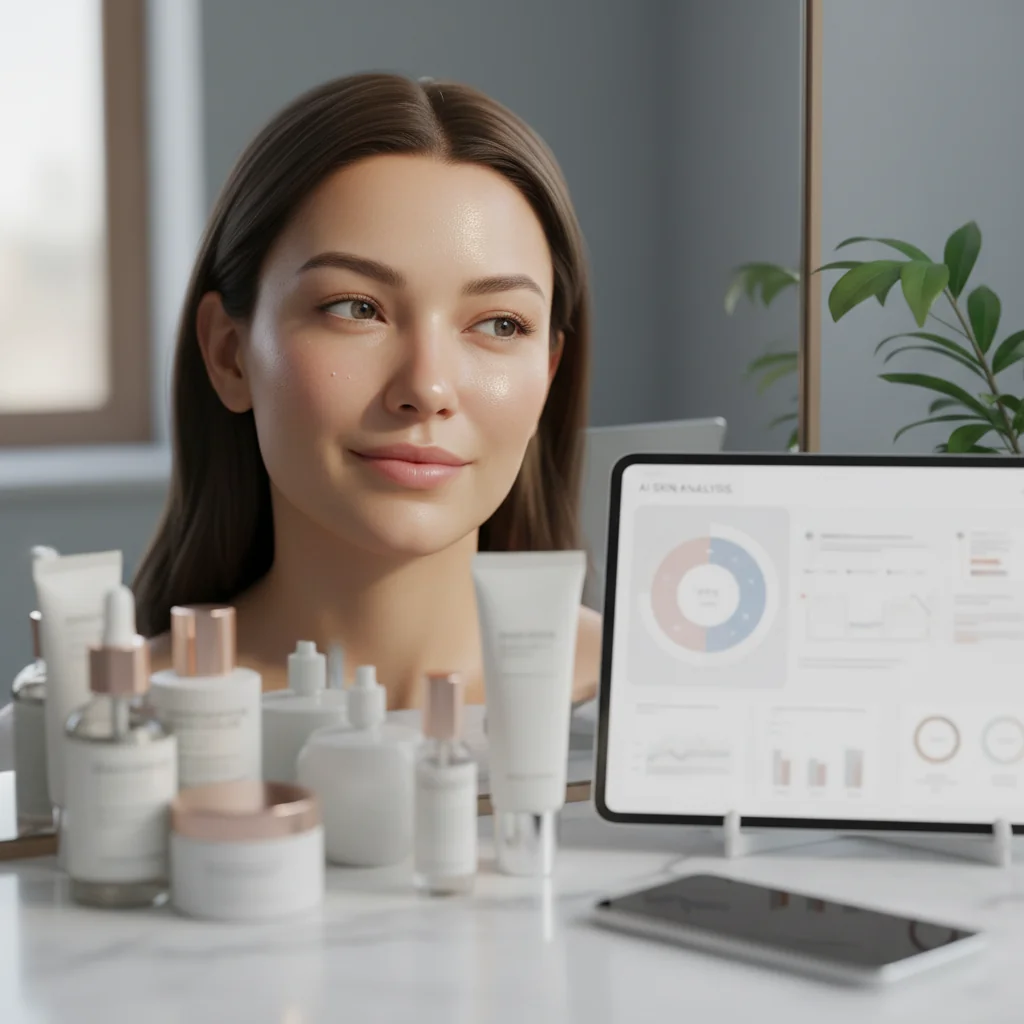
Have you ever stood in front of the mirror, puzzled by an unexpected breakout or a stubborn patch of dryness, wondering if your skincare routine is doing more harm than good? You're not alone. The journey to flawless skin can often feel like navigating a maze, especially when faced with the overwhelming amount of products and advice available. The truth is, many of us are unknowingly mismanaging our skin health, leading to frustration and disappointment. The good news? With advancements in technology, particularly Artificial Intelligence (AI), we can now gain tailored insights into our skin's unique needs, helping us make informed decisions about our skincare routines.
The Problem: Misunderstanding Skin Conditions
Understanding skin conditions can be a daunting task, especially when misinformation is rampant. Many people rely on general advice or trends that may not apply to their specific skin types or conditions. For instance, someone with sensitive skin might be advised to use a strong exfoliant because it's trending, only to find that their skin reacts negatively, leading to redness and irritation. This is a classic example of how a one-size-fits-all approach can backfire.
Moreover, conditions like hyperpigmentation, rosacea, and various forms of acne can manifest differently across individuals. Hyperpigmentation, for instance, can arise from sun exposure, hormonal changes, or post-inflammatory responses, and treating it effectively often requires a nuanced understanding of its causes. Similarly, rosacea can present with redness, visible blood vessels, and even acne-like breakouts, making it crucial to identify triggers and tailor treatments accordingly. Unfortunately, many individuals turn to trial and error, often exacerbating their skin issues in the process.
Compounding this issue is the fact that not everyone has access to dermatological expertise. Regular visits to a dermatologist can be costly and time-consuming, leaving many to fend for themselves. This gap in accessible, personalized care is where AI can step in, offering a bridge between general skincare advice and professional dermatology.
The Science: How AI is Transforming Skin Analysis
💡 Tired of trial and error with skincare? Kivo.skin helps you understand your skin first.
What is AI in Skincare?
AI, or artificial intelligence, refers to systems that can analyze data and learn from it to make predictions or decisions. In the realm of skincare, AI utilizes algorithms and data from various sources, including user-uploaded images, to assess skin conditions and suggest tailored treatments. These systems can analyze fine details, such as skin texture, tone, and the presence of specific conditions, with remarkable accuracy.
Mechanism of Action (MoA) at the Cellular Level
At the core of AI skin analysis is a sophisticated blend of machine learning and computer vision. Here's how it works at a cellular level:
Image Analysis: Users upload images of their skin, and the AI employs computer vision techniques to identify various features, such as pores, wrinkles, pigmentation, and redness. This process involves segmenting the image into different areas and analyzing each pixel to detect patterns.
Data Correlation: The AI correlates its findings with a vast database of dermatological conditions and their associated characteristics. For example, if the AI detects uneven skin tone and dark spots, it cross-references this data with known cases of hyperpigmentation.
Personalized Recommendations: Based on this analysis, the AI generates personalized recommendations. It may suggest specific ingredients known to combat hyperpigmentation, such as niacinamide or vitamin C, and outline a skincare regimen tailored to the user's unique skin profile.
Clinical Studies and Research Findings
Recent studies have demonstrated the efficacy of AI in dermatology. For instance, a study published in Nature showcased an AI system that achieved a diagnostic accuracy comparable to dermatologists in identifying skin cancers. This breakthrough underscores the potential for AI not only to analyze but also to diagnose skin conditions with precision.
Furthermore, another research paper in JAMA Dermatology highlighted how AI can effectively assess acne severity by analyzing user-uploaded images, leading to tailored treatment plans that significantly improved patient outcomes. These findings illustrate the reliability of AI in providing actionable insights for various skin conditions.
Impact on Different Skin Types and Conditions
AI's ability to adapt its recommendations based on skin type is one of its most significant advantages. For example, individuals with Fitzpatrick skin types I and II, who are more prone to sun damage and pigmentation issues, may receive different recommendations than those with Fitzpatrick types V and VI, who may require more hydrating and anti-inflammatory treatments.
Moreover, AI tools can also cater to individuals with specific conditions, such as rosacea or eczema. By analyzing symptoms and triggers reported by users, AI can suggest suitable products that avoid common irritants, ensuring that individuals with sensitive skin receive tailored care that minimizes the risk of adverse reactions.
Expert Insight: “AI's ability to analyze vast amounts of data and learn from it allows for a level of personalization that traditional skincare routines cannot achieve. It empowers users to make informed choices about their skin health.” — Dr. Sarah Johnson, Dermatologist at Skin Health Institute.
Why This Works (And Why Others Don't)
The traditional approach to skincare often involves a trial-and-error method, where individuals experiment with various products based on marketing claims or social media trends. However, this method lacks the precision that AI offers. For example, while a popular influencer might rave about a particular serum, it may not address the unique concerns of every individual’s skin type or condition.
AI, on the other hand, analyzes specific skin characteristics and provides evidence-based recommendations. This approach minimizes the risk of adverse reactions and ensures that users are applying products that are genuinely beneficial for their skin. For instance, a person with oily, acne-prone skin may be advised to use lightweight, non-comedogenic products, whereas someone with dry, sensitive skin may receive suggestions for richer, hydrating formulations.
Moreover, AI's ability to continuously learn and adapt is a game-changer. As more users engage with AI tools, the system becomes more refined, leading to increasingly accurate recommendations. This adaptability is particularly crucial in skincare, where individual needs can change over time due to factors such as age, environment, and hormonal fluctuations.
The Protocol: A Personalized Approach to Skincare
Creating a personalized skincare regimen using AI involves several key steps. Here’s a comprehensive guide to implementing this technology effectively:
Step-by-Step Implementation
Step One: Initial Skin Analysis (with AI skin scanner)
- Begin by using an AI skin analysis tool, such as the one offered by Kivo.skin. Upload clear images of your skin in natural lighting, ensuring that all angles are captured.
- This initial analysis will provide a baseline understanding of your skin's condition, identifying issues such as dryness, hyperpigmentation, or acne.
Step Two: Review Recommendations (with timing considerations)
- After the analysis, review the personalized recommendations generated by the AI. These may include specific products and ingredients tailored to your skin type.
- Pay attention to the timing of application. For instance, if the AI suggests retinoids, it may recommend using them at night for optimal effectiveness.
Step Three: Product Selection (with a focus on quality)
- Choose products that align with the AI's suggestions. Look for high-quality formulations that contain the recommended ingredients, such as salicylic acid for acne-prone skin or hyaluronic acid for hydration.
- Avoid products with harsh chemicals or fragrances that could irritate your skin.
Step Four: Consistent Application (with a daily routine)
- Establish a consistent skincare routine that incorporates the selected products. Follow the recommended order of application (e.g., cleansing, toning, treating, moisturizing).
- Consistency is key to seeing results, so aim to stick to your routine daily.
Step Five: Monitor Progress (with regular check-ins)
- Regularly check in with the AI tool to monitor your skin's progress. Many AI applications allow for follow-up analyses to adjust your regimen based on improvements or new concerns.
- Document any changes in your skin condition, noting what works and what doesn't.
Step Six: Adjust as Needed (with flexibility)
- Be open to adjusting your skincare routine based on the AI's feedback. If you notice new issues arising or if your skin changes due to seasonal factors, revisit the analysis for updated recommendations.
- Flexibility is essential in skincare, as what works today may need to be adapted tomorrow.
Safety Note: When using AI skin analysis tools, ensure that the platform prioritizes user privacy and data security. For individuals with Fitzpatrick skin types I-VI, always consider patch testing new products, especially if you have sensitive skin or a history of reactions.
Common Mistakes and How to Avoid Them
Even with the help of AI, individuals may still fall into common pitfalls when navigating their skincare journey. Here are some mistakes to watch out for:
Ignoring Product Labels: Many users may overlook the importance of reading product labels. Just because a product is recommended by the AI does not mean it is suitable for everyone. Always check for potential irritants or allergens specific to your skin type.
Overloading with Products: In an attempt to address multiple concerns, individuals often load their routines with too many products. This can lead to irritation and skin barrier damage. It’s crucial to introduce new products gradually and allow time for your skin to adjust.
Neglecting Sun Protection: While focusing on treatment, users may forget the importance of sun protection. AI can recommend SPF products, but it's up to the individual to ensure they are applied consistently during the day.
Failing to Track Progress: Skincare is a journey, and progress can be slow. Many users may lose motivation if they do not see immediate results. Regularly tracking changes and using AI check-ins can help maintain motivation and adjust strategies as needed.
Misunderstanding Skin Changes: Skin can change due to various factors, including stress, diet, and hormonal fluctuations. Users may misinterpret these changes and continue with a regimen that no longer suits their needs. Regular analysis and adaptation are key to effective skincare.
Real Results: What to Expect
When utilizing AI for skin condition diagnosis and treatment, users can expect a range of benefits. Initially, individuals may see subtle changes within a few weeks, such as improved texture or decreased redness. For conditions like hyperpigmentation, results may take longer, often several months, as skin cell turnover occurs.
Moreover, the personalized nature of AI recommendations can lead to a more significant overall improvement in skin health. Many users report feeling more confident and informed about their skincare choices, as they are no longer guessing what products will work for them. Instead, they are equipped with tailored insights that empower them to make educated decisions.
How Kivo.skin AI Can Help
Navigating the complexities of skincare can be overwhelming, but Kivo.skin AI offers a streamlined solution. By providing personalized skin condition analysis, Kivo.skin empowers users to understand their unique needs better. Whether you're struggling with acne, hyperpigmentation, or sensitivity, Kivo.skin's AI technology can analyze your skin and recommend specific products and routines tailored just for you.
Not sure if your skin is ready for retinol? Kivo.skin AI analysis will determine your sensitivity and recommend the optimal concentration. The AI considers your skin's current condition, climate, and other products you're using to create a personalized protocol, ensuring that your skincare routine aligns perfectly with your skin's needs.
Key Takeaways
- AI technology offers personalized insights into skin conditions, helping users make informed decisions about their skincare.
- By analyzing images and correlating data, AI can identify specific issues and recommend tailored treatments based on individual skin types.
- Common mistakes in skincare can be avoided by adhering to AI recommendations and maintaining a flexible, consistent routine.
- Users can expect gradual improvements in their skin health by implementing AI-guided protocols, leading to increased confidence and satisfaction.
- Kivo.skin AI serves as a valuable tool for those seeking to enhance their skincare routines while prioritizing safety and efficacy.
Next step: Ready to take control of your skincare journey? Check your skincare protocol with Kivo.skin AI scan to discover targeted treatments that suit your unique skin needs.
Join the Inner Circle
Science-backed skincare insights, delivered weekly.