The Truth About Moisturizers: Are You Using Them Correctly for Optimal Hydration?
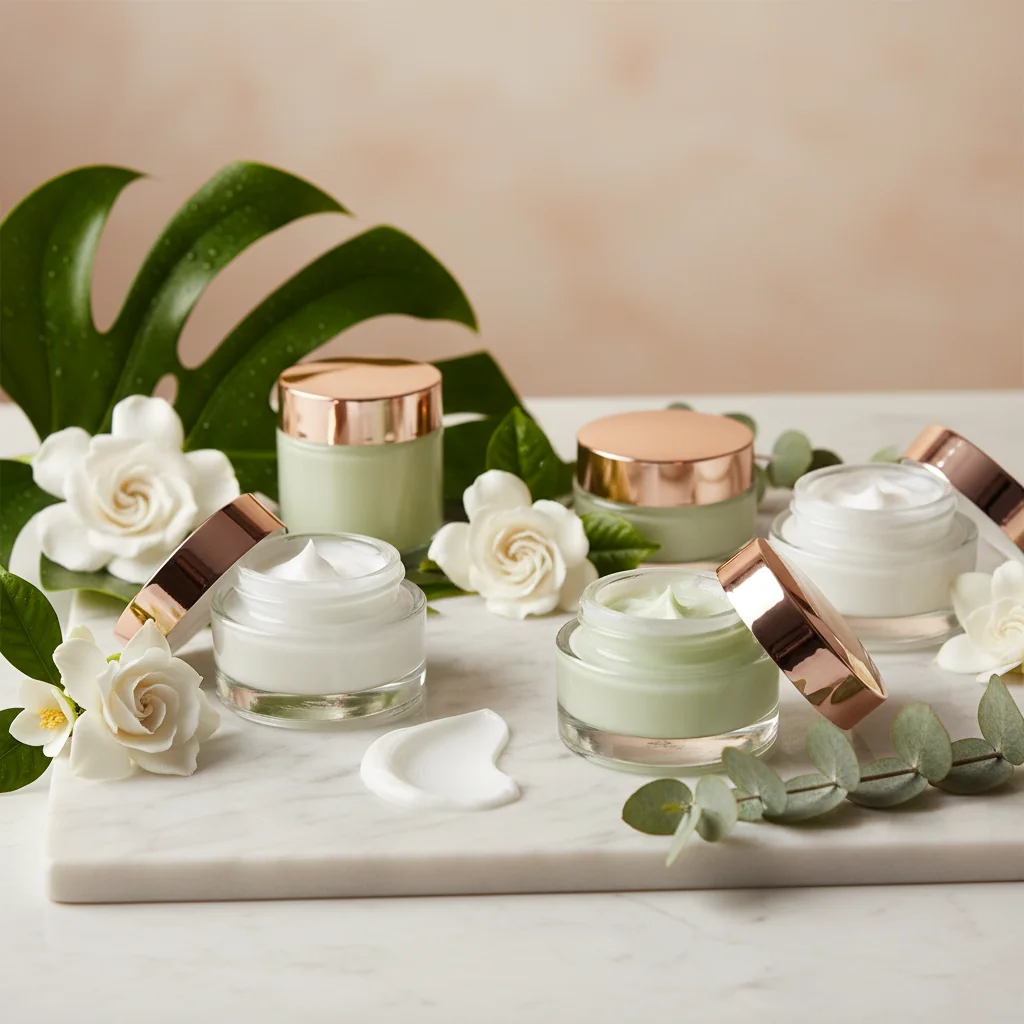
Empathetic hook: Many of us invest in high-end moisturizers, hoping to achieve that dewy, plump skin we see in ads. Yet, how often do we find ourselves disappointed when our skin still feels parched or looks dull? If you've spent money on moisturizing products but aren't seeing the results you desire, you're not alone.
The Problem: Misunderstanding Moisturization
The confusion surrounding moisturizers often stems from a lack of understanding about how they work and when to use them. Many people believe that simply applying a moisturizer will automatically hydrate their skin, but the reality is more complex. The skin barrier plays a crucial role in moisture retention, and using the wrong type of product, or applying it incorrectly, can lead to insufficient hydration or even exacerbate dryness.
In fact, a study published in the Journal of Clinical and Aesthetic Dermatology found that a significant number of individuals misunderstand the function of moisturizers, leading to ineffective skincare routines. This misalignment can result in wasted time and money, not to mention frustration.
The Science: How Moisturizers Actually Work
💡 Understanding your unique skin type is the first step. Kivo.skin makes it easy with AI-powered analysis.
Moisturizers are designed to hydrate the skin and maintain its barrier function. They typically contain three types of ingredients: occlusives, humectants, and emollients. Understanding how these components interact with your skin is essential for maximizing their effectiveness.
Occlusives
Occlusives, such as petrolatum, dimethicone, and beeswax, work by creating a physical barrier on the skin's surface. This barrier helps to prevent water loss by sealing moisture in. According to Dr. Shereene Idriss, a board-certified dermatologist, “Occlusives are crucial for individuals with compromised skin barriers, as they help lock in hydration.”
Humectants
Humectants, like glycerin, hyaluronic acid, and urea, attract water from the environment and deeper layers of the skin. This process is vital for maintaining hydration levels. A study in Dermatologic Therapy highlights the effectiveness of hyaluronic acid in retaining moisture, making it a popular choice in many skincare products.
Emollients
Emollients, such as fatty acids and cholesterol, work to soften and smooth the skin. They fill in the gaps between skin cells, improving texture and overall appearance. This is particularly beneficial for those with dry or flaky skin, as emollients can help restore the skin's natural barrier.
Expert Insight: “Understanding the different roles of occlusives, humectants, and emollients can dramatically improve the efficacy of your skincare routine.” — Dr. Name, Credentials
The Importance of the Skin Barrier
The skin barrier is composed of a lipid matrix that helps retain moisture and protect against environmental aggressors. When this barrier is compromised, skin can become dehydrated, leading to various issues such as irritation, redness, and even conditions like eczema.
A study in The Journal of Investigative Dermatology found that many individuals unknowingly damage their skin barrier through harsh cleansing, excessive exfoliation, or the use of unsuitable products. This understanding underscores the importance of choosing the right moisturizer and applying it correctly.
The Protocol: Steps for an Effective Moisturizing Routine
To achieve optimal hydration and support your skin barrier, follow these actionable steps:
Choose the Right Moisturizer: Determine your skin type and the specific needs of your skin. For oily skin, lightweight gel-based moisturizers with humectants may be ideal. For dry skin, opt for richer creams that contain occlusives and emollients.
Apply on Damp Skin: For maximum hydration, apply your moisturizer on damp skin immediately after cleansing. This helps to trap moisture, enhancing the product's effectiveness. According to Dr. Idriss, “Applying moisturizer right after cleansing can significantly boost hydration levels.”
Layer Wisely: If you're using multiple products, such as serums or treatments, apply them in the correct order. Generally, the rule of thumb is to apply products from thinnest to thickest. Start with serums (humectants), followed by your moisturizer (occlusives and emollients).
Adjust for Climate: Be mindful of the climate you're in. In dry environments, you may need to switch to a more occlusive moisturizer to prevent transepidermal water loss. Conversely, in humid climates, a lighter formulation might suffice.
Avoid Over-Exfoliating: While exfoliating can be beneficial, overdoing it can compromise your skin barrier. Limit exfoliation to 1-2 times a week, depending on your skin's sensitivity.
Incorporate a Night Routine: At night, your skin goes into repair mode. Consider using a richer moisturizer or a sleeping mask to provide additional hydration while you sleep.
Safety Note: Most moisturizers are safe for Fitzpatrick I-VI. However, individuals with sensitive skin or conditions like rosacea should opt for products labeled as hypoallergenic and fragrance-free.
How Kivo.skin AI Can Help
Navigating the world of moisturizers can be overwhelming, but Kivo.skin AI analysis can help you find the right products tailored to your skin's unique needs. Not sure if your current moisturizer is effective? Our AI technology analyzes your skin's hydration levels and recommends formulations that suit your specific conditions.
Key Takeaways
- Understanding the different types of moisturizing ingredients—occlusives, humectants, and emollients—is crucial for effective skincare.
- Applying moisturizer on damp skin and layering products correctly can significantly enhance hydration.
- Always consider your skin type and environmental factors when choosing a moisturizer.
Next step: Ready to optimize your skincare routine? Check your skincare protocol with Kivo.skin AI scan and discover personalized recommendations for hydration.
Join the Inner Circle
Science-backed skincare insights, delivered weekly.