The Comprehensive Guide to AI Skincare: Revolutionizing Your Routine for Optimal Results
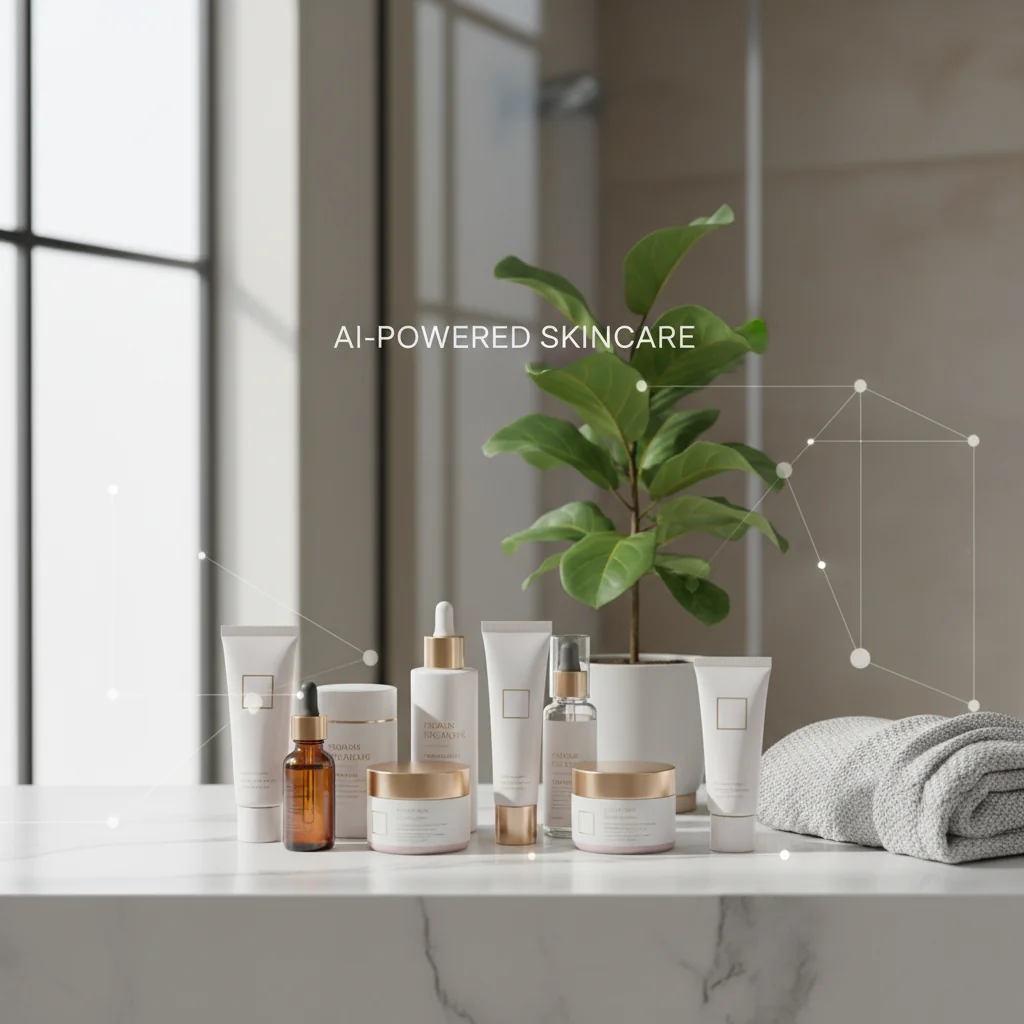
“I destroyed my barrier with a 10-step routine so you don't have to.” If you’ve ever found yourself overwhelmed by the plethora of skincare products and routines touted as the ultimate solution to achieve flawless skin, you’re not alone. The skincare industry has become a labyrinth of options, with each product promising miraculous results. In a world where we’re bombarded with information, it can be challenging to discern what truly works for our unique skin needs. However, the rise of artificial intelligence (AI) in skincare is changing the game, offering personalized insights that can simplify your routine and optimize results.
The Problem: Overwhelm and Misinformation
Navigating the skincare landscape can feel like a daunting task. With an unending stream of new products, ingredients, and routines, it’s easy to fall into the trap of trial and error. Many individuals find themselves using multiple products that may not be compatible with their skin type, leading to irritation, breakouts, or other adverse reactions. For instance, someone with sensitive skin might attempt to incorporate retinoids, known for their anti-aging benefits, only to experience redness and peeling. This common scenario highlights the disconnect between widely marketed skincare solutions and the actual needs of the skin.
Moreover, misinformation abounds in the skincare community. Many consumers are led to believe that expensive products are inherently more effective, while scientific principles are often overlooked. For example, the myth that thicker creams are always better for hydration can lead to a compromised skin barrier. In reality, the efficacy of a product depends on its formulation and the skin’s unique characteristics rather than its price tag or texture.
Additionally, the lack of personalized guidance can result in frustration and wasted resources. Many individuals invest in products that ultimately do not address their specific concerns. This is where AI skincare comes into play, providing a solution that goes beyond generic advice. By analyzing individual skin conditions and needs, AI can recommend tailored routines that are both effective and efficient.
The Science: How AI Skincare Actually Works
💡 Understanding your unique skin type is the first step. Kivo.skin makes it easy with AI-powered analysis.
What is AI Skincare?
AI skincare refers to the integration of artificial intelligence technology into the skincare industry to provide personalized recommendations and insights. By utilizing algorithms that analyze data from various sources, including skin analysis tools, user feedback, and clinical research, AI can assess an individual's skin condition and suggest products and routines tailored to their unique needs.
Mechanism of Action (MoA)
The underlying mechanism of AI skincare revolves around data analysis and machine learning. When you upload a photo of your skin or answer a series of questions about your skin concerns, the AI system analyzes this information against a vast database of skin types, conditions, and product ingredients. This process allows the AI to identify patterns and correlations that may not be immediately evident to the average user.
For example, the AI might detect signs of dehydration in your skin and cross-reference that with a database of ingredients known for their hydrating properties. It then recommends products containing hyaluronic acid or glycerin, which are scientifically proven to attract moisture to the skin. By focusing on the specific needs of your skin, AI skincare can optimize your routine and minimize the risk of irritation or adverse reactions.
Clinical Studies and Research Findings
Research has shown that personalized skincare regimens can lead to better outcomes than generalized advice. A study published in the journal Nature found that individuals who followed tailored skincare routines reported significant improvements in skin texture and hydration levels compared to those who used over-the-counter products without personalized guidance. This underscores the importance of understanding the unique biology of your skin and how it interacts with different ingredients.
Additionally, a study in JAMA Dermatology highlighted the efficacy of AI in diagnosing skin conditions. The research found that AI algorithms could accurately identify various skin disorders, including acne and eczema, with a high degree of accuracy. This capability allows for timely and appropriate treatment recommendations, further enhancing the benefits of personalized skincare.
Effects on Different Skin Types and Conditions
AI skincare is particularly beneficial for individuals with specific skin concerns, such as acne, rosacea, or hyperpigmentation. For instance, someone with acne-prone skin may receive recommendations for products containing salicylic acid or benzoyl peroxide, which have been proven to be effective in treating breakouts. Conversely, individuals with rosacea may be advised to avoid certain ingredients that can exacerbate redness and irritation.
Moreover, AI skincare can cater to diverse skin tones and types, ensuring that recommendations are safe and effective for everyone. By considering factors such as Fitzpatrick skin types, which categorize skin based on its response to UV exposure, AI can provide tailored advice that prioritizes safety and efficacy.
Expert Insight: “AI technology has the potential to revolutionize the skincare industry by providing personalized solutions that take into account individual skin characteristics and concerns,” says Dr. Shereene Idriss, a dermatologist specializing in skincare technology.
Why This Works (And Why Others Don't)
The traditional approach to skincare often relies on a one-size-fits-all model, which fails to consider the individual's unique skin biology. Many products make bold claims without adequate scientific backing, leading consumers to waste time and money on ineffective solutions.
For example, while some may swear by a particular brand's anti-aging serum, others may experience adverse reactions due to ingredients that are not compatible with their skin type. In contrast, AI skincare leverages data and scientific research to provide evidence-based solutions tailored to your specific needs. This personalized approach not only enhances the effectiveness of the products but also minimizes the risk of irritation or adverse reactions.
Furthermore, AI skincare systems continuously learn from user feedback and outcomes, allowing for ongoing optimization of recommendations. This adaptability sets AI apart from traditional skincare methods, which often remain static and fail to evolve with the user's changing needs.
The Protocol: The Comprehensive AI Skincare Solution
Creating an effective skincare routine with the help of AI involves several steps. Below is a detailed guide to implementing an AI skincare protocol.
Step-by-Step Implementation
Step One: Skin Analysis (AI Tool)
- Begin by using an AI skincare analysis tool, such as the Kivo.skin AI scan. This tool typically requires you to upload a clear photo of your skin and answer a series of questions about your skincare concerns and routine.
- This step is crucial as it provides a baseline understanding of your skin's current condition and needs.
Step Two: Ingredient Review (Timing)
- Once the AI has analyzed your skin, it will recommend specific ingredients to incorporate into your routine. Pay attention to the timing of application; for example, use antioxidants like vitamin C in the morning for protection against environmental stressors, and retinoids at night for cell turnover and repair.
- Avoid common mistakes like layering too many active ingredients at once, which can lead to irritation.
Step Three: Product Selection (What to Avoid)
- Based on the AI's recommendations, select products that contain the suggested ingredients. Look for formulations that are non-comedogenic and free from potential irritants.
- Be cautious of products that contain alcohol or fragrances, especially if you have sensitive skin.
Step Four: Consistency and Monitoring
- Commit to your new routine for at least four to six weeks, as this timeframe allows your skin to adjust and show visible results. Keep track of any changes in your skin's condition, noting improvements or any adverse reactions.
- Regularly review your routine with the AI tool to ensure continued alignment with your skin's evolving needs.
Step Five: Adjustments Based on Feedback
- After the initial period, reassess your skin using the AI tool. The system will analyze your feedback and make necessary adjustments to your routine, suggesting new products or modifications based on your current skin state.
- This iterative approach is what makes AI skincare particularly effective, as it allows for real-time adjustments based on your skin's response.
Safety Note: Ensure that the products recommended by the AI are safe for your specific skin type. For individuals with Fitzpatrick skin types I-IV, most products will be suitable. However, those with types V-VI should conduct a patch test to avoid potential reactions.
Common Mistakes and How to Avoid Them
Despite the benefits of AI skincare, there are common mistakes that individuals may make during implementation. One frequent error is neglecting to follow the AI's recommendations closely. For example, if the AI suggests starting with a lower concentration of a retinoid, jumping straight to a higher concentration can lead to irritation or peeling.
Another common mistake is failing to give products enough time to work. Many individuals expect immediate results and may switch products too quickly if they don't see instant improvements. It’s essential to remember that skincare is a long-term commitment, and visible changes often take time.
Additionally, some users may become overly reliant on the AI tool and neglect their own observations and experiences. While AI provides valuable insights, it's important to listen to your skin and adjust your routine accordingly.
Lastly, overlooking the importance of sun protection can undermine all the benefits of a well-curated skincare routine. Regardless of your skin type or concerns, daily sunscreen application is crucial to protect your skin from UV damage and prevent premature aging.
Real Results: What to Expect
When you begin your AI skincare journey, it's important to set realistic expectations. While some users may notice improvements in their skin's texture and hydration within a few weeks, others may take longer to see significant changes. Generally, a timeframe of four to six weeks is recommended to assess the effectiveness of a new routine.
You may experience an initial adjustment period, where your skin reacts to new products. This is normal and can include mild redness or breakouts as your skin acclimates. However, if you notice severe irritation or prolonged adverse effects, consult a dermatologist and consider revisiting your AI recommendations.
Ultimately, the goal of AI skincare is to create a routine that enhances your skin's health and appearance over time. With consistent use of tailored products, many individuals report improvements in issues such as dryness, uneven texture, and signs of aging.
How Kivo.skin AI Can Help
Not sure if your skin is ready for retinol? Kivo.skin AI analysis will determine your sensitivity and recommend the optimal concentration. The AI considers your skin's current condition, climate, and other products you're using to create a personalized protocol that aligns with your unique needs.
Moreover, Kivo.skin’s approach is privacy-first, ensuring that your data is handled securely while providing you with instant insights. This focus on user privacy, combined with the power of AI, makes Kivo.skin a trusted partner in your skincare journey.
Key Takeaways
- AI skincare offers personalized recommendations based on individual skin analysis, optimizing routines for better results.
- The mechanism of action for AI involves data analysis and machine learning, allowing for tailored solutions that consider unique skin characteristics.
- Common mistakes include neglecting AI recommendations, switching products too quickly, and overlooking the importance of sun protection.
- Realistic timelines for results typically range from four to six weeks, with ongoing adjustments based on individual feedback.
- Kivo.skin’s AI tool provides a safe, privacy-first approach to skincare, ensuring tailored insights for everyone.
Next step: Discover if this ingredient suits your aging pattern by checking your skincare protocol with Kivo.skin.
Join the Inner Circle
Science-backed skincare insights, delivered weekly.