Unlocking the Power of Peptides: A Comprehensive Guide to Transforming Your Skincare Routine
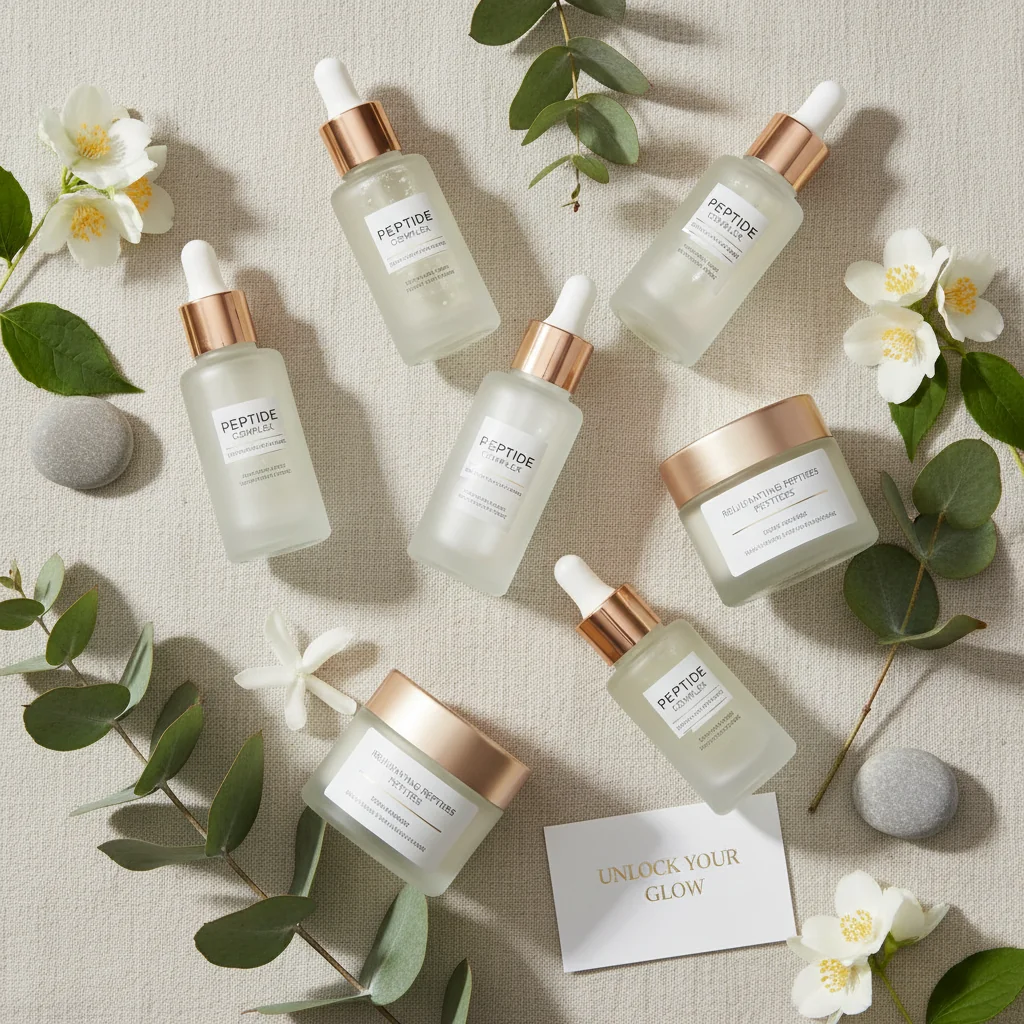
I once believed that the secret to glowing skin lay in the latest, most expensive creams on the market. After countless purchases and a bathroom cabinet overflowing with products, I realized my skin was still lacking that radiant glow. I was chasing after a myth, thinking that a lavish routine would solve my problems. If you’re in the same boat, you’re not alone. Many of us have been misled by marketing hype, only to discover that the real power lies in understanding our skin's needs and the ingredients that can genuinely make a difference.
The Problem: Navigating the Confusion of Skincare Ingredients
In the world of skincare, there’s an overwhelming array of products and ingredients that promise miraculous results. However, many of these claims are often exaggerated or misleading. For example, while ingredients like hyaluronic acid and retinol have become household names, the role of peptides in skincare remains somewhat misunderstood. This confusion can lead to frustration and disappointment, especially when consumers invest time and money into products that don’t deliver the results they’re hoping for.
Peptides, short chains of amino acids, play a crucial role in skin health. However, many people don’t fully understand what they are or how they work. This lack of understanding can lead to ineffective skincare routines. For instance, someone might be using a peptide serum but neglecting other essential components like moisturizers and sunscreens, which can hinder the overall effectiveness of their skincare efforts.
The myth that all peptides are the same further complicates the issue. There are various types of peptides, each with unique properties and functions. Some peptides promote collagen production, while others might focus on hydration or skin barrier repair. Without a clear understanding of these differences, consumers may end up using products that don’t address their specific skin concerns.
Moreover, the skincare industry often promotes a “more is better” mentality, leading to overly complicated routines. The truth is, a simpler, more targeted approach often yields better results. This is where understanding the science behind ingredients like peptides can empower consumers to make informed decisions about their skincare regimens.
The Science: How Peptides Actually Work
💡 Struggling to identify your skin concerns? Kivo.skin's AI scan gives you instant clarity.
What Are Peptides?
Peptides are short chains of amino acids, the building blocks of proteins. In skincare, peptides are celebrated for their ability to penetrate the skin and stimulate various biological processes. They can signal cells to perform specific functions, such as producing collagen, which is vital for maintaining skin’s elasticity and firmness.
Mechanism of Action at the Cellular Level
When applied topically, peptides interact with skin cells by binding to specific receptors. This binding triggers a cascade of biological responses. For instance, certain peptides can signal fibroblasts, the cells responsible for collagen production, to increase collagen synthesis. This is crucial for maintaining the skin's structure and reducing the appearance of fine lines and wrinkles.
Research has shown that peptides can also enhance skin barrier function. By promoting the production of lipids and other essential components, peptides help to strengthen the skin’s natural defenses against environmental stressors. For example, a study published in the Journal of Cosmetic Dermatology found that a topical peptide formulation significantly improved skin hydration and barrier function in participants with dry skin conditions.
Clinical Studies and Research Findings
Clinical research supports the efficacy of peptides in skincare. A notable study published in Dermatologic Surgery examined the effects of a topical peptide serum on skin aging. Over 12 weeks, participants showed significant improvements in skin elasticity and overall appearance. The results highlighted the potential of peptides not only to enhance skin health but also to reverse some signs of aging.
Moreover, peptides have been found to be effective in addressing specific skin concerns. For example, palmitoyl pentapeptide-4, commonly known as Matrixyl, has been shown to stimulate collagen and elastin production. This particular peptide has garnered attention for its ability to reduce the appearance of wrinkles and improve skin texture.
Effects on Different Skin Types and Conditions
Peptides are generally well-tolerated across various skin types, including sensitive skin. However, the effects can vary depending on individual skin conditions. For instance, those with acne-prone skin may benefit from peptides that have anti-inflammatory properties, helping to calm redness and irritation. Conversely, individuals with dry skin can leverage hydrating peptides to restore moisture and support the skin barrier.
Expert Insight: “Peptides are incredibly versatile and can benefit a wide range of skin types. They not only promote collagen production but also enhance the skin's ability to retain moisture, making them an excellent choice for anyone looking to improve their skin's overall health.” — Dr. Shereene Idriss, Board-Certified Dermatologist
Why This Works (And Why Others Don't)
The efficacy of peptides lies in their ability to mimic the body’s natural processes. Unlike many conventional skincare ingredients that may provide only surface-level benefits, peptides work at a cellular level to stimulate real change. For example, while many moisturizers simply hydrate the skin, peptides actively encourage the skin to produce its own moisture-retaining substances.
In contrast, many alternative ingredients may focus solely on hydration or exfoliation without addressing the underlying structural issues of the skin. For instance, while hyaluronic acid is excellent for hydration, it does not actively stimulate collagen production. This is where the multi-faceted approach of peptides shines through; they not only hydrate but also promote healthier skin over time.
Furthermore, the simplicity of incorporating peptides into a skincare routine makes them appealing. They can be easily layered with other products, such as serums and moisturizers, without overwhelming the skin. This makes them an ideal choice for those looking to simplify their routines while maximizing results.
The Protocol: A Step-by-Step Guide to Incorporating Peptides into Your Skincare Routine
Step-by-Step Implementation
Choose the Right Peptide Product (Serum or Cream)
- Look for products that specifically highlight peptides in their formulation. Check the ingredient list for well-researched peptides like Matrixyl or copper peptides.
- Why it matters: Selecting the right product ensures you’re targeting your specific skin concerns effectively.
Cleanse Your Skin (Morning and Night)
- Use a gentle cleanser that won’t strip your skin of its natural oils. Avoid harsh ingredients that can disrupt the skin barrier.
- Common mistakes: Many people use overly aggressive cleansers that can compromise skin health and negate the benefits of peptides.
Apply Peptide Serum (Post-Cleansing)
- After cleansing, apply a few drops of your peptide serum to damp skin. This helps with absorption and enhances hydration.
- How to know it’s working: You should feel a slight tightening sensation as the peptides begin to penetrate the skin.
Layer with a Moisturizer (Morning and Night)
- Follow up with a moisturizer that complements your peptide serum. Look for ingredients that support hydration, like hyaluronic acid or ceramides.
- Why it matters: A good moisturizer locks in the benefits of the peptides and provides additional hydration.
Use Sunscreen (Morning)
- In the morning, always apply a broad-spectrum sunscreen with at least SPF 30. This protects your skin from UV damage, which can counteract the benefits of your skincare routine.
- Common mistakes: Skipping sunscreen can lead to premature aging and diminish the effects of your peptide treatment.
Monitor Your Skin’s Response (Ongoing)
- Pay attention to how your skin reacts to the peptides over time. Adjust your routine if you notice any irritation or if you’re not seeing the desired results.
- How to know it’s working: Expect gradual improvements in skin texture, hydration, and elasticity over several weeks.
Safety Note: Peptides are generally safe for Fitzpatrick skin types I-VI. If you have sensitive skin or specific skin conditions, it’s advisable to patch-test any new product before full application.
Common Mistakes and How to Avoid Them
Overcomplicating Your Routine
- Many individuals believe that layering multiple products will yield better results. However, this can overwhelm the skin and lead to irritation. Focus on a streamlined routine that includes a cleanser, peptide product, moisturizer, and sunscreen.
Neglecting Sunscreen
- Sunscreen is often overlooked, especially in the colder months. However, UV damage can negate the anti-aging benefits of peptides. Always apply sunscreen during the day, regardless of the weather.
Using Peptides in the Wrong Order
- The order of application matters. Applying peptides on dry skin after cleansing can lead to less effective absorption. Ensure your skin is slightly damp to enhance penetration.
Expecting Instant Results
- Skincare, especially with ingredients like peptides, requires patience. While some effects may be noticeable within a few weeks, significant changes in skin texture and elasticity can take months.
Ignoring Product Expiration Dates
- Many consumers do not check the expiration date on their skincare products. Using expired products can lead to reduced efficacy and unwanted reactions. Always check the label and replace products as needed.
Real Results: What to Expect
When incorporating peptides into your skincare routine, it’s essential to have realistic expectations. While some users may see improvements in hydration and skin texture within a few weeks, significant changes in fine lines and overall firmness typically take longer, often around 8-12 weeks of consistent use.
Many users report a noticeable difference in skin elasticity and a reduction in the appearance of fine lines after several months. This gradual improvement is due to the cumulative effects of peptides stimulating collagen production and enhancing the skin barrier. Remember, consistency is key; the more regularly you use your peptide products, the better the results you can expect.
How Kivo.skin AI Can Help
Not sure if your skin is ready to embrace peptides? Kivo.skin AI analysis can determine your skin’s current condition and recommend the best peptide products tailored to your specific needs. The AI considers your unique skin profile, lifestyle factors, and environmental conditions to create a personalized skincare protocol that ensures you’re getting the most out of your routine.
Whether you’re looking to address signs of aging, improve hydration, or enhance your skin barrier, Kivo.skin AI provides insights that empower you to make informed decisions about your skincare journey.
Key Takeaways
- Peptides are short chains of amino acids that play a crucial role in skin health by stimulating collagen production and enhancing skin barrier function.
- The effectiveness of peptides is backed by clinical research, showing improvements in skin elasticity and hydration over time.
- A simplified skincare routine focusing on the right products can yield better results than an overly complex regimen.
- Consistency is key when using peptide products; expect to see noticeable results after several weeks of regular use.
- Kivo.skin AI can provide personalized skincare recommendations based on your unique skin profile and concerns.
Next step: Ready to revolutionize your skincare routine? Discover how Kivo.skin AI can help you find the perfect peptide products tailored to your needs at Kivo.skin.
Join the Inner Circle
Science-backed skincare insights, delivered weekly.