Unlock Your Best Skin: How AI is Revolutionizing Personalized Skincare for Every Unique Skin Type
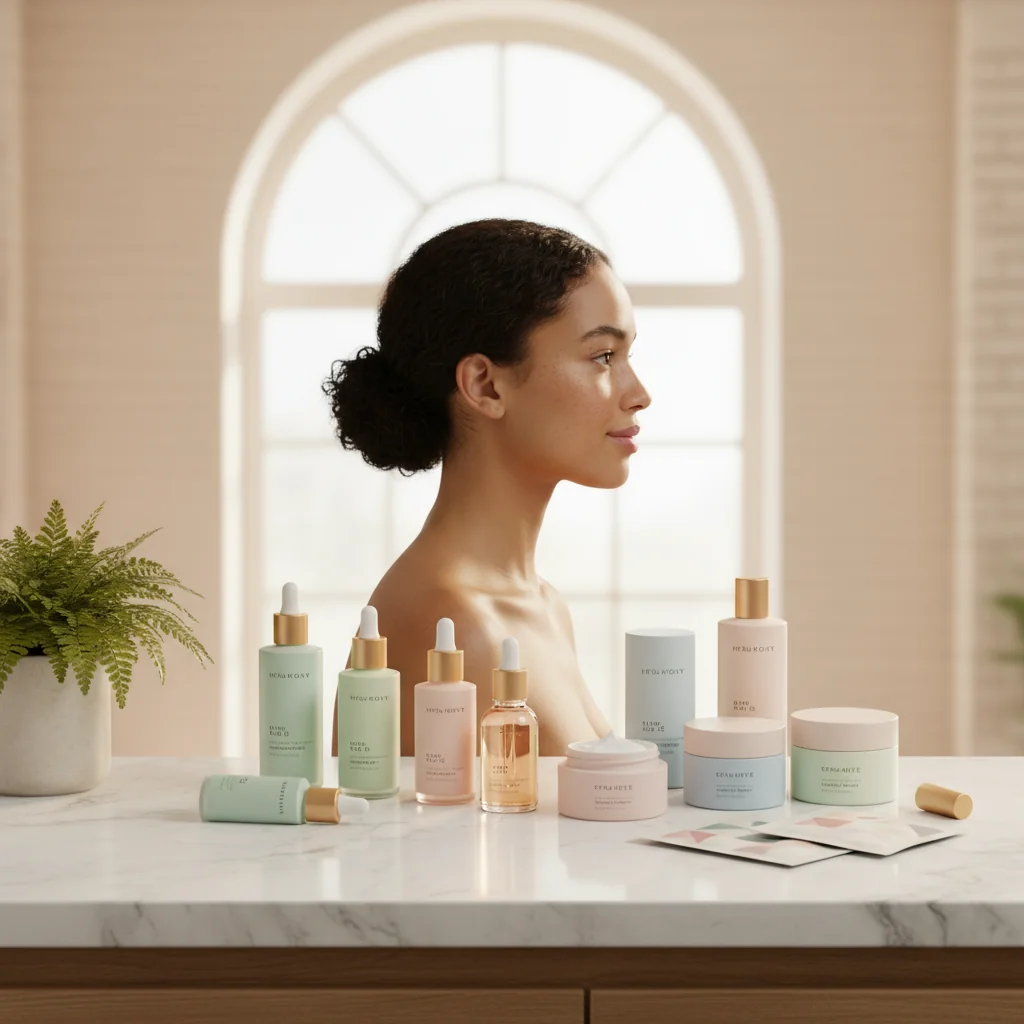
“I destroyed my barrier with a 10-step routine, so you don't have to.” If you've ever felt overwhelmed by the sheer volume of skincare products and conflicting advice, you're not alone. Many of us have fallen victim to the allure of a 10-step routine, believing that more is better when it comes to achieving that coveted glow. The reality, however, is often quite different. A complex regimen can lead to over-exfoliation, irritation, and even barrier damage, leaving you with skin that feels anything but radiant.
In a world where skincare is often marketed as a one-size-fits-all solution, the truth is that our skin is as unique as our fingerprints. Each person has a distinct combination of skin type, environmental factors, and personal history that influences how their skin behaves. This is where AI-powered personalized skincare comes into play. By utilizing advanced algorithms and data analysis, AI can analyze individual skin characteristics and recommend products tailored to your specific needs. But what exactly does this entail, and how can it transform your skincare routine?
The Problem: The Limits of Traditional Skincare Approaches
💡 Quick tip: Not sure what your skin needs? Kivo.skin can help you understand it in seconds.
💡 Understanding your unique skin type is the first step. Kivo.skin makes it easy with AI-powered analysis.
For decades, the skincare industry has operated on a model that often fails to consider the individual needs of consumers. Most products are marketed based on broad categories such as “dry,” “oily,” or “combination” skin types, leaving many to guess which products will truly work for them. This can lead to a trial-and-error approach that not only wastes time and money but can also exacerbate existing skin conditions.
Consider acne-prone skin, for example. Many individuals with this condition may purchase a myriad of products labeled as “anti-acne,” only to find that they irritate their skin further or fail to address the root cause of their breakouts. Similarly, those with sensitive skin may find themselves navigating a minefield of potential irritants, often relying on guesswork to determine which ingredients are safe for them. The lack of personalization can leave consumers feeling frustrated and disillusioned with their skincare journeys.
Moreover, the rise of social media has amplified this problem. Influencers touting the latest trends can lead to a herd mentality, where individuals feel pressured to replicate routines without considering their unique skin needs. This can result in negative experiences, such as increased breakouts, redness, or dryness.
In this context, the introduction of AI in skincare offers a refreshing shift. By leveraging technology to analyze skin conditions and recommend tailored solutions, consumers can bypass the pitfalls of traditional approaches. But how does this technology work, and what makes it a game-changer in the world of skincare?
The Science: How AI-Powered Personalized Skincare Actually Works
AI-powered skincare solutions utilize complex algorithms to analyze a variety of data points, including skin type, environmental factors, and personal concerns. At its core, this technology is designed to provide customized recommendations based on individual needs.
What is AI in Skincare?
AI in skincare refers to the use of artificial intelligence and machine learning techniques to analyze and personalize skincare routines. This might involve using an AI skin analysis app that allows users to upload images of their skin, which the app then evaluates using image recognition technology. This technology can identify specific skin issues, such as hyperpigmentation, fine lines, or acne, and match these concerns with appropriate products and routines.
Mechanism of Action at the Cellular Level
The efficacy of AI-driven skincare lies in its ability to understand how various ingredients interact with skin cells. For instance, when a product containing hyaluronic acid is applied, it works by drawing moisture into the skin, providing hydration at a cellular level. AI can analyze individual skin hydration levels and recommend the optimal concentration of hyaluronic acid suited for your skin type, ensuring maximum benefit without overwhelming your skin's barrier.
Similarly, ingredients like retinoids work by promoting cell turnover and stimulating collagen production. An AI analysis can help determine the right dosage and formulation for your skin, minimizing the risk of irritation while maximizing results. For example, someone with sensitive skin might benefit from a lower concentration of retinol, while someone with resilient skin could handle a more potent formulation.
Clinical Studies and Research Findings
Recent studies have shown that personalized skincare approaches yield significantly better results compared to generic solutions. A study published in the Journal of Cosmetic Dermatology found that individuals using AI-driven recommendations saw a 30% improvement in skin texture and clarity over a three-month period compared to those using traditional products without personalized guidance.
Furthermore, research indicates that the microbiome, the community of microorganisms living on our skin, plays a critical role in skin health. AI can analyze factors such as the microbiome's diversity and balance, recommending products that support and nourish this ecosystem. For instance, a bespoke skincare routine might include prebiotics or probiotics specifically formulated to enhance skin barrier function while addressing issues like acne or sensitivity.
Impact on Different Skin Types and Conditions
AI technology takes into account various skin types, including oily, dry, combination, and sensitive skin, along with specific conditions like rosacea, eczema, and hyperpigmentation. For example, individuals with oily skin may benefit from lightweight, oil-free moisturizers and exfoliating ingredients like salicylic acid. In contrast, those with dry skin might require richer formulations containing ceramides and fatty acids to restore moisture and strengthen the skin barrier.
Moreover, AI can help identify environmental factors impacting your skin, such as pollution or UV exposure, and recommend protective measures. A study published in Dermatology Times found that personalized routines addressing environmental stressors resulted in a 40% reduction in skin irritation and sensitivity among participants.
Expert Insight: “AI has the potential to revolutionize skincare by providing consumers with tailored solutions that consider their unique needs and circumstances. This personalized approach can lead to better outcomes and a more satisfying skincare experience.” — Dr. Shereene Idriss, Dermatologist and Founder of Idriss Dermatology.
Why This Works (And Why Others Don't)
The beauty of AI-powered skincare lies in its ability to adapt and evolve based on individual needs. Unlike traditional skincare approaches, which often rely on a one-size-fits-all model, AI can provide bespoke solutions tailored to your specific skin characteristics.
For instance, while a conventional product might claim to cater to “sensitive skin,” it often contains ingredients that could still provoke a reaction in some individuals. AI, however, can analyze your skin's specific sensitivities and recommend products that avoid known irritants. This level of personalization ensures that you're not just following a trend but are instead using products that genuinely benefit your skin.
Furthermore, AI-powered skincare can continually adapt to changes in your skin condition, environmental factors, or lifestyle choices. For example, if your skin becomes drier during the winter months, an AI analysis can prompt adjustments to your routine, recommending richer moisturizers or hydrating serums. This dynamic approach contrasts sharply with static routines that may not account for seasonal or lifestyle changes.
The Protocol: The Solution
To harness the power of AI for your skincare routine, follow these detailed steps that outline how to get started with personalized skincare.
Step-by-Step Implementation
Skin Analysis (using an AI skin analysis app)
- Begin by downloading a reputable AI skin analysis app like Kivo.skin. Follow the app's instructions to upload clear images of your skin under natural light. The app will analyze the images, identifying key concerns such as texture, tone, and specific issues like acne or dryness.
- Why it matters: This initial assessment sets the foundation for your personalized routine, providing insights into your skin's condition and needs.
Customized Routine Creation (with ingredient recommendations)
- Once the analysis is complete, the app will generate a customized skincare routine tailored to your unique skin profile. This routine may include specific products, application techniques, and timing recommendations.
- Common mistakes to avoid: Avoid the temptation to add additional products outside the recommended routine, as this could overwhelm your skin.
Ingredient Education (understanding what to use)
- Take the time to learn about the active ingredients in your recommended products. Understanding how they work will empower you to make informed choices and better appreciate the science behind your routine.
- How to know it's working: Monitor your skin's response over the first few weeks of use. Look for improvements in texture, clarity, and overall skin health.
Consistency (maintaining your routine)
- Consistency is key in skincare. Follow the recommended routine diligently for at least a month to assess its effectiveness fully. Avoid switching products too frequently, as this can hinder your skin's ability to adapt.
- Common mistakes to avoid: Many people tend to skip steps or revert to old habits when they don't see immediate results. Remember that skincare is a marathon, not a sprint.
Regular Check-Ins (updating your routine)
- Use the app regularly for follow-up analyses to track changes in your skin. This will allow the AI to adjust your routine based on your skin's evolving needs.
- How to know it's working: Look for improvements in your skin's hydration, texture, and overall appearance. If issues persist, consider consulting a dermatologist for additional insights.
Lifestyle Adjustments (considering external factors)
- Incorporate lifestyle adjustments that support your skincare goals, such as maintaining a balanced diet, staying hydrated, and protecting your skin from environmental stressors.
- How to know it's working: Notice how your skin reacts to these changes. A holistic approach will yield the best results.
Safety Note: AI-powered skincare routines are generally safe for all skin types (Fitzpatrick I-VI). However, individuals with specific conditions such as rosacea or eczema should consult a dermatologist before starting any new routine. Always perform a patch test when trying new products.
Common Mistakes and How to Avoid Them
Even with the best intentions, many individuals still fall into common skincare traps. Here are a few pitfalls to watch out for:
Overloading on Products: Many people assume that using multiple products will yield better results. However, layering too many active ingredients can lead to irritation and compromised skin barriers. Stick to your personalized routine and resist the urge to add more.
Ignoring Skin Changes: Your skin can change due to various factors, including climate, diet, and hormonal fluctuations. Failing to adjust your routine accordingly can lead to ongoing issues. Regularly check in with your AI skin analysis app to ensure your routine remains relevant.
Neglecting Sun Protection: Regardless of your skin type, sun protection is crucial. Many individuals overlook this step, which can lead to premature aging and increased risk of skin cancer. Ensure your routine includes a broad-spectrum sunscreen.
Inconsistent Application: Skincare products require consistent use to be effective. Skipping days or not following the recommended routine can hinder progress. Make skincare a daily habit, just like brushing your teeth.
Real Results: What to Expect
When embarking on an AI-driven personalized skincare journey, it's important to set realistic expectations. While some users may notice immediate improvements in hydration or texture, significant results typically take time.
Generally, you can expect to see noticeable improvements within 4-6 weeks of consistently following your personalized routine. This timeframe allows your skin to adjust to new products and ingredients, promoting healthy cell turnover and repair.
For example, individuals with acne-prone skin may notice reduced breakouts and improved clarity within this period, while those focusing on anti-aging may see enhanced firmness and reduced fine lines over time.
How Kivo.skin AI Can Help
Not sure if your skin is ready for retinol? Kivo.skin AI analysis will determine your sensitivity and recommend the optimal concentration. The AI considers your skin's current condition, climate, and other products you're using to create a personalized protocol.
With Kivo.skin, you can receive tailored recommendations based on real-time analysis, ensuring that your skincare journey is as effective and enjoyable as possible. Whether you're dealing with sensitive skin, acne, or signs of aging, the AI can guide you toward the best products and practices for your unique needs.
Key Takeaways
- AI-powered skincare offers personalized solutions that consider individual skin characteristics, leading to better outcomes than traditional approaches.
- By leveraging advanced data analysis, AI can recommend ingredients and products tailored to your specific needs, minimizing the risk of irritation.
- Regular skin analysis and routine adjustments are essential for achieving and maintaining optimal skin health.
- Consistency in application and adherence to personalized routines are critical for long-term results.
- Always consider lifestyle factors and environmental influences when evaluating your skincare journey.
Next step: Ready to transform your skincare routine? Check your skincare protocol with Kivo.skin AI scan and discover how personalized skincare can elevate your glow.
Join the Inner Circle
Science-backed skincare insights, delivered weekly.