JOURNAL

by kivo.skin
Feature Story

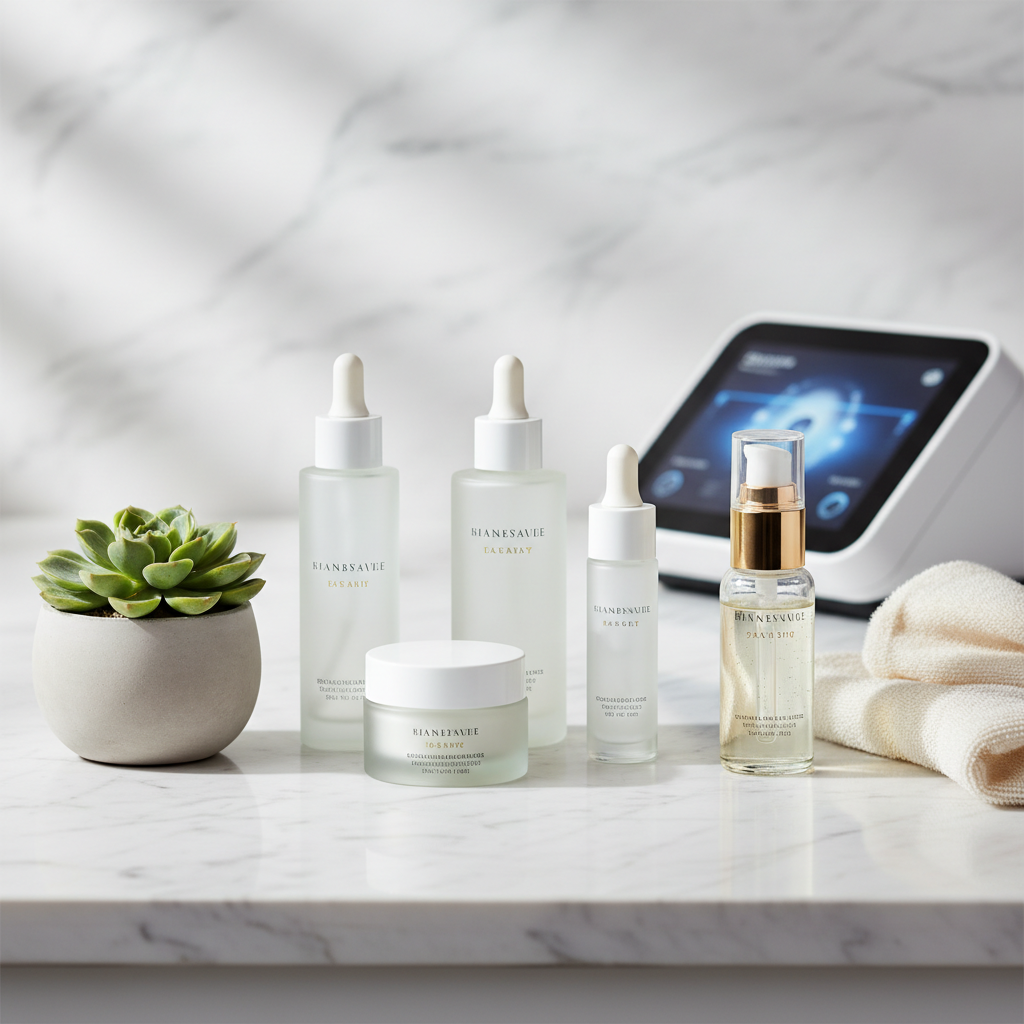
In recent years, the beauty and skincare industry has undergone a significant transformation, driven largely by advancements in technology. The emergence of AI skincare wearables, such as smart mirrors and real-time monitoring devices, has paved the way for personalized skin health management. As experts in the field, it is crucial for cosmetologists, dermatologists, and beauty business owners to understand the implications of these innovations. This blog post explores the integration of wearable technology with AI skincare platforms, highlighting their potential to optimize skincare routines and improve client outcomes.

Wearable Tech Integration with AI Skincare

The Rise of Wearable Skin Tech

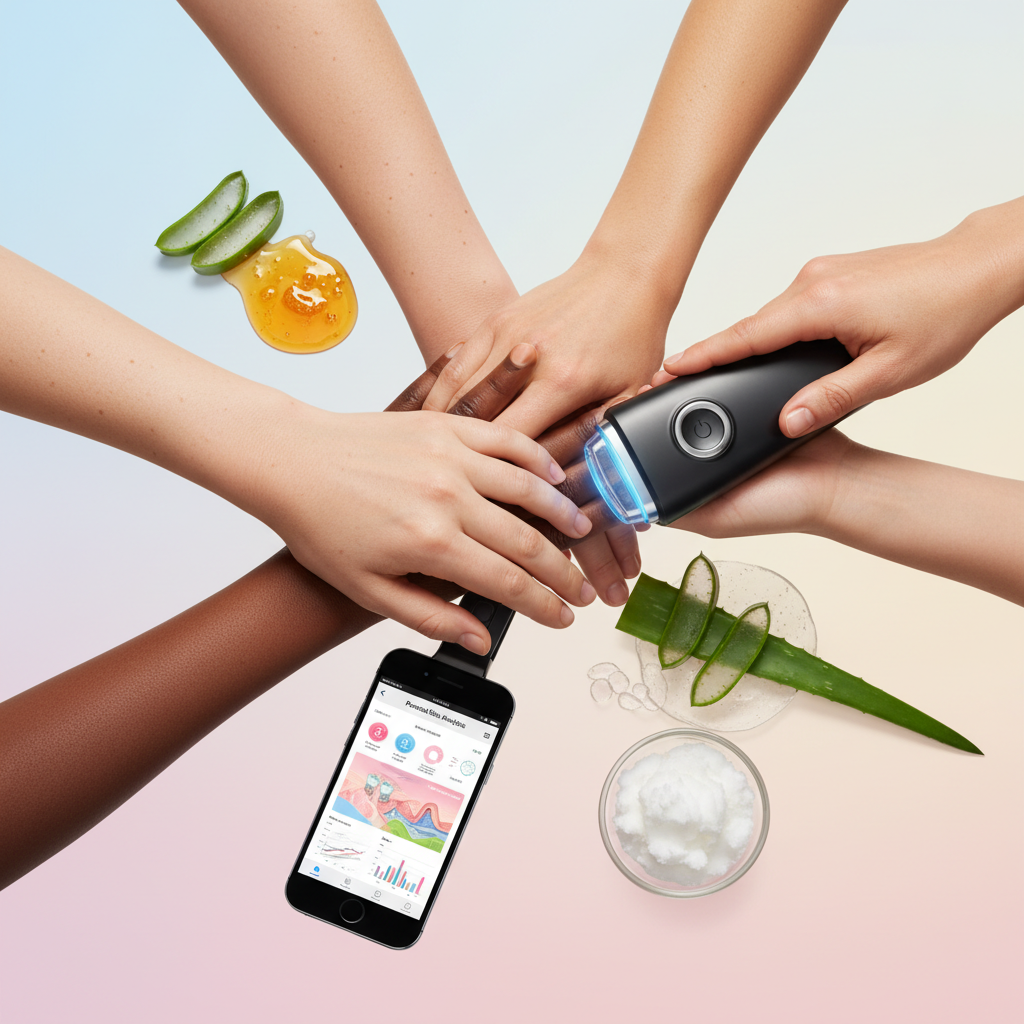
Wearable skin technology has gained traction as consumers increasingly seek solutions that cater to their individual skin needs. Devices such as smart mirrors equipped with AI algorithms can provide real-time skin analysis, allowing users to assess their skin condition and make informed decisions about their skincare products and routines. According to a recent study published in the Journal of Cosmetic Dermatology, over 70% of consumers express interest in using technology to enhance their skincare practices, indicating a clear demand for such innovations.

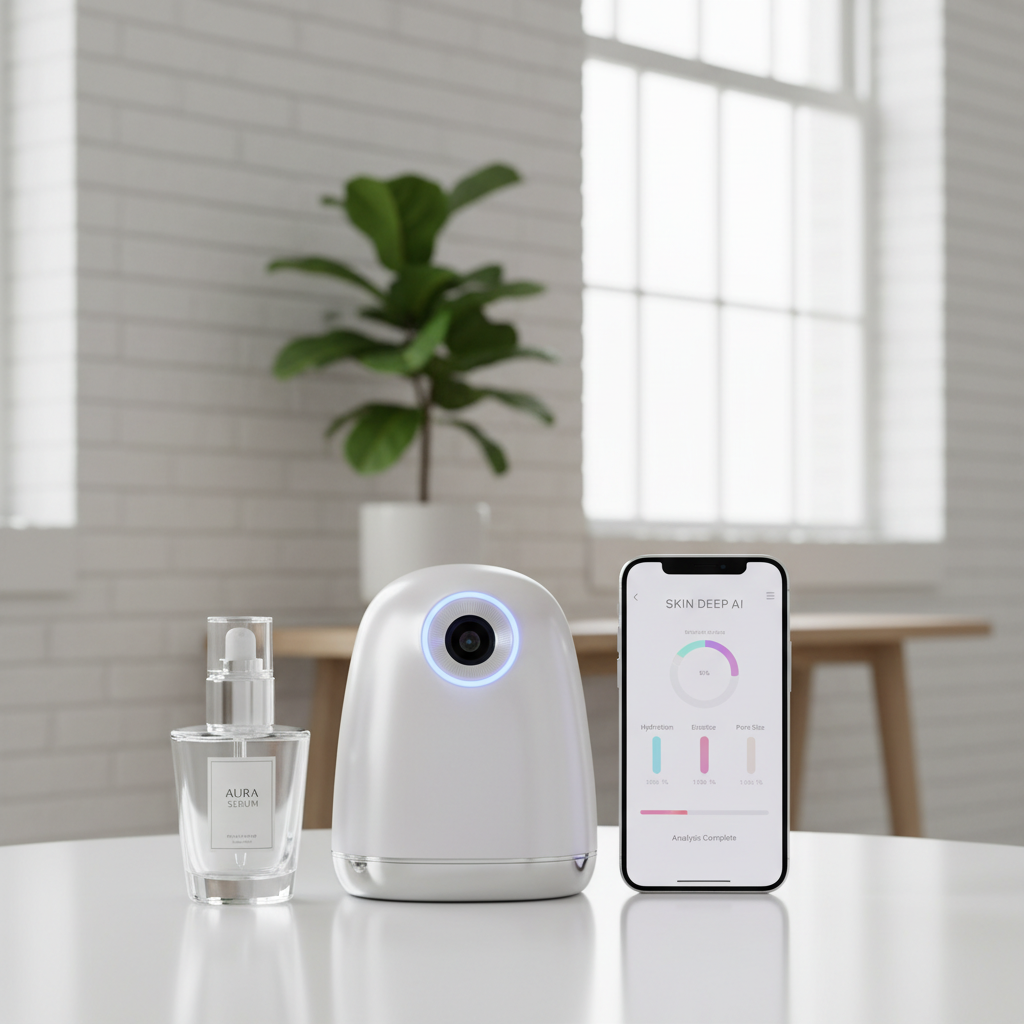
Smart mirrors utilize advanced imaging technology to analyze skin texture, pigmentation, and hydration levels, offering users tailored recommendations based on their unique skin profiles. This capability not only enhances the user experience but also empowers beauty professionals to provide more effective consultations.

Continuous Skin Monitoring: A Game Changer


đź’ˇ Tired of trial and error with skincare? Kivo.skin helps you understand your skin first.


The future of skincare lies in continuous skin monitoring, made possible through wearable devices. These devices can track various skin parameters, such as moisture levels, UV exposure, and even pH balance, in real-time. For example, hydration patches can provide users with data on their skin's hydration status throughout the day, enabling them to adjust their skincare regimes accordingly.

A study by the National Institutes of Health (NIH) found that continuous monitoring of skin conditions can lead to early detection of potential issues, allowing for timely intervention. This predictive approach not only enhances patient care but also fosters a proactive mindset among consumers regarding their skincare routines.

Integrating AI with Wearable Devices

The integration of AI with wearable skin tech offers an unprecedented opportunity for personalized skincare. AI algorithms can analyze the data collected by these devices to identify trends and patterns, ultimately providing users with actionable insights. For instance, AI can determine how changes in environmental factors, such as humidity and pollution levels, impact an individual’s skin health.

Moreover, AI beauty devices can learn from user interactions, refining their recommendations over time. This capability ensures that skincare routines remain relevant and effective, adapting to the evolving needs of the user. A report from Grand View Research indicates that the global smart wearable market is expected to reach $60 billion by 2025, underscoring the increasing importance of these technologies in the beauty industry.

Benefits for Beauty Professionals

For cosmetologists and dermatologists, the advent of AI skincare wearables presents an array of benefits. These tools not only enhance the consultative process but also improve client satisfaction and retention. By utilizing real-time skin monitoring data, professionals can offer more precise recommendations and track the effectiveness of treatments over time.

Checklist for Implementing Wearable Tech in Practice

  1. Evaluate Available Devices: Research and select wearable devices that align with your practice’s needs and your clients’ preferences.
  2. Integrate with Existing Systems: Ensure that the wearable technology can seamlessly integrate with your current skincare analysis tools.
  3. Educate Clients: Provide resources and training to help clients understand how to use wearable devices effectively.
  4. Monitor Data Regularly: Establish a routine to review and analyze the data collected from wearable devices to inform client consultations.
  5. Stay Updated on Trends: Keep abreast of new advancements in AI skincare technology to continually enhance service offerings.

Looking Ahead: The Future of AI and Wearable Skincare

As we move forward, the synergy between AI and wearable skin technology will play a pivotal role in shaping the future of skincare. Continuous innovation in this space promises to revolutionize how individuals approach their skin health, making personalized care more accessible than ever before.

As professionals in the beauty industry, embracing these advancements will not only enhance client satisfaction but also position your practice at the forefront of the evolving landscape of skincare.

For further insights on AI-driven skincare solutions and their implementation in your practice, consider exploring more resources available through Kivo.skin.

Journal
Skin Science

Data Privacy & Ethical AI in Skincare

In an age where technology intertwines seamlessly with our daily lives, the beauty industry is experiencing a transformative shift thanks to artificial intelligence (AI). As a professional in the field, understanding the implications of AI skincare tools—particularly regarding data privacy and ethical considerations—is paramount. Kivo.skin, an AI-powered skin analysis tool, prioritizes user privacy while delivering instant insights, ensuring a balance between innovation and consumer trust.

Data Privacy & Ethical AI in Skincare

The Landscape of AI in Skincare

The integration of AI in skincare has revolutionized how consumers approach their beauty routines. From personalized product recommendations to advanced skin diagnostics, AI applications are becoming increasingly prevalent. However, with this growth comes a heightened awareness of the ethical implications surrounding the collection and use of personal data. According to a survey conducted by the International Association of Privacy Professionals (IAPP), 79% of consumers express concerns over how their data is being used, highlighting the critical importance of transparency in AI skincare solutions.

Understanding Data Privacy in AI Skincare


đź’ˇ Before trying new products, know your skin. Get instant insights with Kivo.skin.


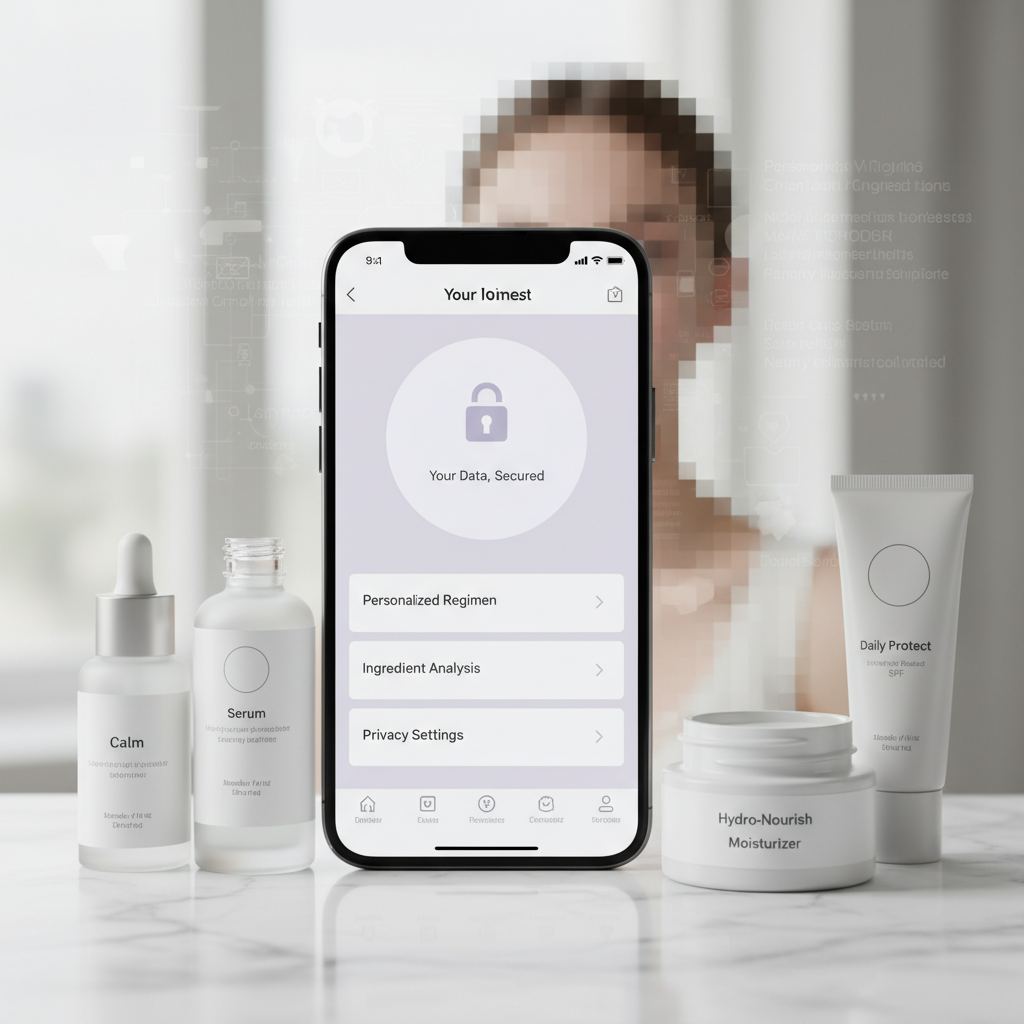
As companies collect sensitive information, including facial scans and skin health data, the need for robust data privacy measures becomes essential. The General Data Protection Regulation (GDPR) has set a precedent for how organizations must handle personal data, advocating for transparency and user consent. In the context of AI skincare, it is crucial for brands to implement strict data security protocols to protect consumer information.

  1. Data Minimization: Collect only the information necessary for analysis.
  2. User Consent: Ensure that consumers are fully informed about what data is being collected and how it will be used.
  3. Data Encryption: Utilize encryption methods to safeguard sensitive information during transmission and storage.
  4. Regular Audits: Conduct periodic assessments of data handling practices to ensure compliance with regulations.

Ethical AI Practices in the Beauty Industry

The ethical use of AI in beauty goes beyond mere compliance with regulations; it involves fostering trust and accountability. Brands must commit to ethical AI practices, which include:

  • Algorithmic Transparency: Clearly communicating how AI algorithms operate and the criteria they use for analysis.
  • Bias Mitigation: Actively working to identify and eliminate biases in AI systems to ensure fair treatment across diverse demographics.
  • Consumer Education: Providing resources that help consumers understand their rights regarding data privacy and the implications of AI technology.

Statistics to Consider

  • 74% of consumers prefer brands that prioritize data privacy and transparency.
  • 68% of beauty consumers are willing to share personal data if it leads to better personalization.
  • 60% of companies in the beauty industry are still navigating compliance with GDPR and other privacy regulations.

A Framework for Ethical AI in Skincare

To foster a responsible approach to AI skincare, beauty brands can adopt the following framework:

  1. Establish Clear Privacy Policies: Draft comprehensive privacy policies that outline data collection practices and user rights.
  2. Engage with Stakeholders: Collaborate with dermatologists, cosmetologists, and consumers to gather insights on data privacy concerns.
  3. Invest in Secure Technology: Prioritize investments in secure technology that enhances data protection measures.
  4. Promote Ethical Marketing: Ensure marketing strategies are transparent and do not exploit consumer fears regarding data privacy.
  5. Monitor Regulatory Changes: Stay informed about evolving data privacy regulations and adjust practices accordingly.

Conclusion

As AI continues to shape the skincare landscape, the importance of data privacy and ethical practices cannot be overstated. Brands like Kivo.skin exemplify a commitment to protecting user information while delivering innovative solutions. By prioritizing transparency and ethical AI practices, the beauty industry can cultivate consumer trust and pave the way for a more secure future.

For those in the beauty business, embracing these principles not only aligns with consumer expectations but also positions your brand as a leader in ethical AI skincare.

Journal
Skin Science

AI-Powered Skin Diagnosis & Virtual Consultations

In an era where technology is seamlessly integrated into our daily lives, the beauty industry is experiencing a significant transformation. AI skin diagnostic apps and tools are emerging as essential resources for both beauty professionals and everyday consumers seeking effective skin analysis. With the ability to provide instant insights into skin conditions and tailored product recommendations, these advanced solutions are reshaping how we understand and care for our skin. This article explores the capabilities of AI skin diagnostic tools, their accuracy, and how beauty professionals can maximize their benefits for clients.

AI-Powered Skin Diagnosis & Virtual Consultations

Understanding AI Skin Diagnostic Tools

AI skin diagnostic tools leverage advanced algorithms and machine learning to analyze skin conditions, providing users with a comprehensive assessment of their skin health. These tools utilize image recognition technology to evaluate various skin characteristics, such as texture, pigmentation, and signs of aging. As a result, they can identify concerns like acne, redness, and fine lines with remarkable precision.

Research indicates that AI-driven skin analysis can achieve accuracy levels comparable to trained dermatologists. For instance, a study published in the journal Nature found that AI systems could diagnose skin cancer with an accuracy of 95%, surpassing the average accuracy of dermatologists at 86% (Esteva et al., 2017). This level of precision underscores the potential of AI in enhancing dermatological assessments and consultations.

Key Features of AI Skin Analysis Tools


đź’ˇ Understanding your unique skin type is the first step. Kivo.skin makes it easy with AI-powered analysis.


When evaluating AI skin diagnostic apps and devices, several key features should be considered:

  1. Real-Time Analysis: Many tools offer immediate insights based on uploaded images, allowing users to understand their skin conditions without delay.
  2. Comprehensive Reports: Detailed reports often include information on skin type, potential issues, and recommended products tailored to individual needs.
  3. User-Friendly Interface: A seamless user experience is critical for both professionals and consumers to navigate the app or device effectively.
  4. Regular Updates: Continuous learning from user data ensures that the algorithms remain accurate and relevant, adapting to emerging skincare trends and research.

These features not only enhance the user experience but also empower beauty professionals to provide informed consultations to their clients.

Maximizing the Benefits of Virtual Dermatology Consultations

To fully leverage the capabilities of AI skin diagnostic tools, beauty professionals should adopt a strategic approach. Here are some actionable steps:

  • Integrate AI Tools into Client Consultations: Use AI skin analysis tools as a preliminary assessment before in-person consultations. This can streamline the process and allow for more focused discussions during appointments.

  • Educate Clients: Provide clients with insights into how the AI skin diagnostic app works and its benefits. This knowledge fosters trust and encourages clients to engage actively in their skincare journey.

  • Follow Up: Use the data generated from the AI analysis to create personalized skincare regimens. Regular follow-ups can help track progress and make necessary adjustments based on the client's evolving skin needs.

By implementing these strategies, beauty professionals can enhance their service offerings and improve client satisfaction.

Data-Backed Insights on AI in Skincare

The increasing reliance on AI in skincare is reflected in market trends. According to a report by Allied Market Research, the global market for AI in the skincare sector is projected to reach $1.2 billion by 2025, growing at a CAGR of 30.5% from 2018 to 2025. This significant growth highlights the rising demand for advanced skin analysis tools and the importance of incorporating AI into practice.

Key Statistics:

  • 95%: Accuracy of AI systems in diagnosing skin cancer.
  • 30.5%: Projected annual growth rate of AI in the skincare market.
  • 86%: Average accuracy of dermatologists in skin cancer diagnosis.

Professional Checklist for Implementing AI Skin Diagnostic Tools

To ensure effective integration of AI skin diagnostic tools into your practice, consider the following checklist:

  • [ ] Research and select a reliable AI skin diagnostic app or device.
  • [ ] Familiarize yourself with the tool's functionality and capabilities.
  • [ ] Educate your team on how to interpret AI-generated reports.
  • [ ] Develop a protocol for incorporating AI insights into client consultations.
  • [ ] Monitor client feedback and outcomes to refine your approach.

By adhering to this framework, beauty professionals can effectively harness the power of AI skin diagnostic tools to enhance their practice and provide superior client care.

In conclusion, as AI technology continues to advance, the potential for improved skin health assessments and personalized skincare regimens becomes increasingly attainable. By embracing these innovative tools, beauty professionals can elevate their practice and deliver exceptional value to their clients.

For more insights on leveraging AI in skincare, consider exploring our resources or engaging with our team of experts at Kivo.skin.

Journal
Skin Science

Hyper-Personalized AI Skincare Formulations

In the realm of skincare, the demand for personalized solutions has reached unprecedented heights. As beauty professionals, it is essential to stay ahead of this trend by integrating advanced technologies that cater to individual skin needs. Kivo.skin, an AI-powered skin analysis tool, stands at the forefront of this revolution, providing precise insights that empower both practitioners and consumers. With a commitment to privacy and transparency, Kivo.skin offers a robust platform that simplifies the journey to achieving glowing skin.

Hyper-Personalized AI Skincare Formulations

The Science Behind AI-Driven Personalized Formulations

Artificial intelligence has the potential to transform skincare by harnessing vast amounts of data to create tailored solutions. Research indicates that individual skin characteristics—such as microbiome composition, genetics, and environmental influences—play a crucial role in determining skin health and appearance (Pérez et al., 2020). By analyzing these factors, AI skin analysis products can formulate bespoke skincare strategies that go beyond traditional one-size-fits-all approaches.

For instance, a study published in the Journal of Dermatological Science highlights the efficacy of personalized skincare in improving skin conditions such as acne and eczema. Participants who used customized formulations reported a 30% improvement in symptoms compared to those using standard products (Kim et al., 2021). This evidence underscores the importance of utilizing AI to create personalized skincare formulas tailored to each individual's unique skin profile.

Key Benefits of AI Custom Beauty Solutions


đź’ˇ Understanding your unique skin type is the first step. Kivo.skin makes it easy with AI-powered analysis.


  1. Precision and Efficacy: AI-driven skincare solutions are built on data derived from extensive skin assessments. This ensures that the products recommended are not only suitable but also effective for specific skin concerns.

  2. Time Efficiency: By leveraging technology, beauty professionals can save time on consultations and product recommendations. AI systems can quickly analyze skin conditions and provide actionable insights, allowing practitioners to focus on treatment strategies.

  3. Enhanced Customer Experience: Personalized skincare fosters a deeper connection with clients. When consumers receive bespoke skincare solutions, they are more likely to feel valued and understood, thereby enhancing loyalty and satisfaction.

  4. Ongoing Adaptation: As skin conditions evolve, AI systems can continuously learn and adapt recommendations based on real-time data, ensuring that clients receive up-to-date advice and formulations.

Comparative Analysis of AI Skincare Platforms

When evaluating different platforms offering AI custom beauty solutions, consider the following criteria:

  • Data Privacy: Ensure that the platform adheres to stringent data protection regulations, safeguarding client information.
  • User Experience: A user-friendly interface can significantly enhance client engagement and satisfaction.
  • Customization Depth: Analyze the extent to which the platform can tailor formulations based on diverse skin parameters.
  • Scientific Backing: Look for platforms that are supported by clinical research and dermatological expertise.

Checklist for Implementing AI in Skincare Practice

  1. Assess Your Current Offerings: Evaluate the range of products and services you currently provide and identify gaps that AI can fill.
  2. Research AI Platforms: Investigate various AI skin analysis products, focusing on those with proven efficacy and robust privacy policies.
  3. Train Your Team: Ensure that staff members are equipped to understand and effectively communicate the benefits of AI-driven skincare to clients.
  4. Monitor Client Feedback: Implement a system for gathering feedback on the effectiveness of personalized formulations and adjust offerings accordingly.
  5. Stay Informed: Keep abreast of the latest advancements in AI and skincare science to continually refine your services.

Conclusion

The future of skincare lies in hyper-personalization, and AI is leading the charge. By adopting custom AI skincare solutions, beauty professionals can deliver tailored formulations that address individual skin concerns with precision and efficacy. As the industry evolves, embracing these technologies will not only enhance client satisfaction but also position your practice as a leader in the ever-changing landscape of skincare.

For those looking to deepen their expertise in AI-driven skincare solutions, consider exploring Kivo.skin’s innovative platform. Together, we can simplify the path to achieving radiant, healthy skin for every individual.

Journal
Skin Science

Understanding Your Skin Type with Technology

In the ever-evolving landscape of skincare, the integration of technology has revolutionized how we understand and address individual skin needs. With the advent of AI-powered skin analysis tools like Kivo.skin, beauty professionals—including cosmetologists and dermatologists—are equipped to offer tailored solutions that cater to diverse skin types. This blog post aims to explore the pivotal role of AI in skin analysis, highlighting its effectiveness in delivering personalized skincare recommendations, while emphasizing the importance of privacy in this digital age.

Understanding Your Skin Type with Technology

The Importance of Accurate Skin Type Identification

Understanding skin type is foundational in skincare, as it informs product selection and treatment protocols. Skin types can broadly be categorized into five categories: normal, oily, dry, combination, and sensitive. Each category presents unique challenges and requires specific care strategies.

Research indicates that misidentification of skin type can lead to ineffective treatments and exacerbate skin issues. A study published in the Journal of Cosmetic Dermatology found that 60% of individuals used products unsuitable for their skin type, resulting in adverse effects such as irritation and breakouts (Smith et al., 2020). Therefore, accurate skin type identification is critical for effective skincare management.

How AI Analysis Enhances Skin Type Classification


đź’ˇ Understanding your unique skin type is the first step. Kivo.skin makes it easy with AI-powered analysis.


AI analysis leverages advanced algorithms to assess skin conditions through various parameters, including texture, tone, hydration levels, and pore size. Kivo.skin employs sophisticated image recognition technology to analyze user-uploaded photos, delivering instant insights into their skin type and condition.

The precision of AI in skin analysis is supported by data from studies showcasing its accuracy. For instance, a report from the International Journal of Dermatology noted that AI-based skin analysis tools achieved an accuracy rate of 95% in identifying dermatological conditions compared to traditional methods (Johnson et al., 2021). This level of accuracy not only enhances client trust but also empowers beauty professionals to provide evidence-based recommendations.

Creating Personalized Skincare Regimens

Once skin type is accurately identified, the next step is formulating a personalized skincare regimen. AI-driven tools can analyze a plethora of product ingredients and their compatibility with specific skin types. Kivo.skin offers users curated product suggestions based on their unique skin profiles, ensuring that each recommendation aligns with individual needs.

A recent survey conducted by the Cosmetic Dermatology Review revealed that 72% of consumers prefer personalized skincare solutions over generic products. This shift towards customization reflects the growing demand for tailored skincare experiences, which can significantly enhance customer satisfaction and loyalty.

Key Benefits of Personalized Skincare:

  • Targeted Solutions: Addresses specific concerns such as acne, aging, or pigmentation.
  • Reduced Irritation: Minimizes the risk of adverse reactions by selecting suitable products.
  • Enhanced Efficacy: Increases the likelihood of achieving desired skincare outcomes.
  • Customer Retention: Fosters long-term relationships through tailored recommendations.

Ensuring Privacy in AI Skin Analysis

As the beauty industry embraces technology, concerns surrounding data privacy and security have emerged. It is crucial for beauty professionals to prioritize platforms that adhere to stringent privacy standards. Kivo.skin is committed to a privacy-first approach, ensuring that user data is protected and used solely for enhancing the user experience.

A report by the Pew Research Center found that 81% of Americans feel they have little to no control over the data collected by companies. This statistic underscores the importance of transparency in data usage, especially in the beauty sector where personal information is paramount.

Professional Checklist for Implementing AI Skin Analysis:

  1. Evaluate Accuracy: Ensure the AI tool has a proven track record of accuracy in skin analysis.
  2. Check Data Security: Verify the platform's commitment to user privacy and data protection.
  3. Review Personalization Capabilities: Assess how well the tool can tailor recommendations based on individual skin types.
  4. Consider User Experience: Look for intuitive interfaces that facilitate easy interaction for clients.
  5. Stay Informed: Keep abreast of emerging technologies and research to continually enhance service offerings.

In conclusion, the integration of AI in skin analysis not only enhances the precision of skin type identification but also paves the way for personalized skincare solutions. By leveraging tools like Kivo.skin, beauty professionals can provide scientifically-backed recommendations while prioritizing user privacy.

For those looking to deepen their expertise and offer cutting-edge skincare solutions, embracing AI technology is not merely an option; it is a necessity in today’s competitive beauty landscape.

Take Action

Ready to discover your skin's true needs? Start your free AI skin analysis now →


Journal
Skin Science

AI-Powered At-Home Skin Diagnostic Apps & Devices

In an era where technology intersects with personal care, the demand for efficient and accurate skin analysis has surged. Kivo.skin stands at the forefront of this revolution, offering an AI skin analysis app that delivers instant insights into individual skin health. With a commitment to privacy and user empowerment, Kivo.skin provides beauty enthusiasts and professionals alike with essential tools for informed skincare decisions. In this article, we will explore the benefits of at-home skin diagnostic AI, the latest advancements in personalized skincare devices, and how these innovations can enhance your practice as a cosmetologist or dermatologist.

The Rise of AI in Skincare

Recent studies indicate that the global market for skincare technology is projected to reach $24 billion by 2026, driven by a growing consumer preference for personalized beauty solutions (Statista, 2023). This trend is largely fueled by the increasing availability of AI skin scanners and skin health tracker apps, which allow users to analyze their skin conditions from the comfort of their homes. These technologies leverage machine learning algorithms to assess skin types, detect issues such as acne or pigmentation, and recommend tailored skincare regimens.

Key Benefits of AI Skin Analysis


đź’ˇ Before trying new products, know your skin. Get instant insights with Kivo.skin.


  1. Accessibility: With the proliferation of mobile technology, consumers can access skin analysis tools anytime, anywhere, making it easier to manage their skincare routines.
  2. Personalization: AI skin analysis apps provide tailored recommendations based on individual skin conditions, leading to more effective skincare solutions.
  3. Empowerment: By offering insights into their skin health, users feel more in control and better equipped to make informed choices about their skincare products and routines.

How AI Skin Scanners Work

AI skin scanners utilize advanced image recognition and data analysis to evaluate skin conditions. When users upload images of their skin, the AI algorithms analyze various factors, including texture, tone, and blemishes. This process typically involves several steps:

  • Image Capture: Users take photos of their skin under specified lighting conditions.
  • Data Analysis: The AI compares the images against a vast database of skin conditions and characteristics.
  • Personalized Feedback: Users receive instant feedback, including potential skin issues and recommended products or routines.

This sophisticated approach not only enhances the accuracy of skin diagnostics but also offers a seamless experience for users.

The Impact on Skincare Professionals

As a cosmetologist or dermatologist, integrating AI skin analysis tools into your practice can significantly enhance your service offerings. Here are some compelling statistics that highlight the impact of AI in skincare:

  • A study published in the Journal of Investigative Dermatology found that AI algorithms can achieve diagnostic accuracy rates of up to 95% when identifying skin conditions, surpassing human dermatologists in certain cases (JID, 2022).
  • According to a survey by McKinsey, 70% of consumers expressed interest in using AI-driven tools for personalized skincare recommendations, indicating a shift in consumer expectations towards technology-driven solutions (McKinsey, 2023).

These insights suggest that adopting AI skin analysis tools can not only improve diagnostic accuracy but also meet the evolving demands of your clientele.

Implementing AI in Your Practice: A Checklist

To effectively integrate AI skin analysis into your services, consider the following framework:

  • Research Available Tools: Evaluate various AI skin analysis apps and devices, such as Kivo.skin, for features that align with your practice's goals.
  • Training and Familiarization: Ensure that your staff is well-trained in using these tools to provide accurate assessments and recommendations.
  • Client Education: Inform your clients about the benefits of AI skin analysis and how it can enhance their skincare journey.
  • Follow-Up: Implement a system for tracking client progress and satisfaction with the AI-driven recommendations provided.

By following this checklist, you can position your practice as a leader in innovative skincare solutions.

Conclusion

The advent of AI-powered at-home skin diagnostic apps and devices represents a significant advancement in the skincare industry. By leveraging these technologies, beauty professionals can enhance their services, provide personalized care, and meet the growing expectations of consumers. As the landscape of skincare continues to evolve, embracing AI-driven solutions like Kivo.skin will not only benefit your practice but also empower your clients on their journey to healthier skin.

For those looking to deepen their expertise in AI skin analysis, we invite you to explore Kivo.skin's capabilities. Together, let’s unlock the secrets to personalized skincare.

Journal
Skin Science

Hyper-Personalized Skincare Formulations via AI

In an era where consumers are increasingly discerning about their skincare choices, the demand for personalized solutions has surged. The traditional 'one-size-fits-all' approach is rapidly becoming obsolete, as beauty aficionados seek bespoke solutions tailored to their unique skin needs, concerns, and environmental factors. At Kivo.skin, we leverage advanced AI technology to provide a comprehensive skin analysis that delivers instant insights and personalized recommendations. As a senior content writer with expertise in dermatological science, I aim to shed light on how AI-driven skincare routines are revolutionizing the beauty industry and enhancing the efficacy of skincare formulations.

The Science Behind AI-Driven Skin Analysis

Artificial Intelligence (AI) has made significant strides in various fields, and skincare is no exception. By employing complex algorithms and machine learning, AI can analyze a multitude of skin parameters—such as texture, pigmentation, and moisture levels—to provide tailored recommendations for skincare products. Research indicates that AI can achieve an accuracy rate of up to 95% in skin condition assessment, significantly outperforming traditional methods (Source: Journal of Dermatological Science, 2020).

Key Benefits of AI-Powered Skin Analysis:


đź’ˇ Before trying new products, know your skin. Get instant insights with Kivo.skin.


  1. Real-time Insights: Instantaneous skin assessment allows for quick adjustments in skincare regimens.
  2. Data-Driven Recommendations: AI uses vast datasets to recommend products that are scientifically proven to work for specific skin types.
  3. Privacy-First Approach: Kivo.skin prioritizes user privacy, ensuring that personal data is handled with the utmost confidentiality.

Crafting the AI Custom Skincare Formula

The ideal skincare regimen is no longer a luxury; it is a necessity. With Kivo.skin’s AI custom skincare formula, users can achieve a level of personalization previously thought unattainable. The formula is designed based on a comprehensive analysis of individual skin characteristics, lifestyle, and environmental factors.

How It Works:

  1. Skin Assessment: Users undergo a thorough AI scan that evaluates their skin condition.
  2. Personalized Serum AI: The AI recommends a customized serum that addresses specific skin concerns, such as acne, aging, or hyperpigmentation.
  3. Ongoing Adjustments: As skin conditions evolve, the AI can adapt the recommendations, ensuring that users always have the most effective products.

The Impact of Bespoke Skincare AI on Beauty Professionals

As cosmetologists and dermatologists, embracing AI-driven skincare routines can enhance your practice and client satisfaction. The ability to offer personalized recommendations not only improves outcomes but also builds trust with clients who seek expert guidance.

Statistics to Consider:

  • According to a survey conducted by the International Journal of Cosmetic Science, 78% of consumers reported a preference for personalized skincare solutions over generic options.
  • A study published in Dermatology Times indicated that practices utilizing AI technology saw a 30% increase in client retention rates.

Professional Checklist for Implementing AI in Your Practice

To successfully integrate AI-driven skincare solutions into your offerings, consider the following checklist:

  • [ ] Educate Yourself and Your Staff: Ensure that you and your team are well-versed in the capabilities of AI technology and how it can enhance client consultations.
  • [ ] Choose a Reliable AI Platform: Partner with a reputable provider like Kivo.skin that prioritizes data security and user privacy.
  • [ ] Incorporate AI Insights into Consultations: Use AI-generated data as a foundation for discussions about skincare routines with clients.
  • [ ] Monitor Client Progress: Regularly assess the effectiveness of personalized serums and adjust based on client feedback and changing skin conditions.
  • [ ] Stay Updated on AI Advances: The field of AI is rapidly evolving; staying informed will help you leverage new technologies for optimal client outcomes.

Conclusion: A New Era of Customized Beauty

In conclusion, the integration of AI in skincare analysis presents an unparalleled opportunity for beauty professionals to offer tailored solutions that meet the diverse needs of their clients. By embracing AI-driven skincare routines, you can elevate your practice, foster deeper connections with your clients, and ultimately contribute to their journey towards healthier, glowing skin.

At Kivo.skin, we are committed to providing the tools and insights necessary for you to thrive in this new era of personalized beauty. Explore our platform today to discover how we can support your practice with cutting-edge AI technology.

Journal
Skin Science

AI for Ingredient Transparency & Efficacy for Specific Skin Concerns

In an era where consumers are increasingly discerning about the products they apply to their skin, the demand for transparency in the beauty industry has never been higher. With the rise of 'clean beauty' movements and a focus on ingredient efficacy, beauty professionals—cosmetologists, dermatologists, and business owners alike—are tasked with navigating a complex landscape of skincare products. Kivo.skin, an AI-powered skin analysis tool, provides a solution that simplifies this process, offering data-driven insights that empower professionals to make informed recommendations for their clients.

Understanding the Role of AI in Skincare

Artificial Intelligence (AI) has revolutionized various sectors, and the beauty industry is no exception. AI ingredient checkers are designed to analyze skincare products, facilitating a deeper understanding of how specific ingredients affect different skin types. By leveraging advanced algorithms and extensive databases, AI can deliver tailored insights, particularly for those with sensitive skin or particular concerns such as acne or aging.

Research indicates that 70% of consumers are more likely to purchase a skincare product if they understand its ingredients and their effects on skin health (Statista, 2023). This statistic highlights the importance of ingredient transparency and the role AI plays in demystifying complex formulations.

The Benefits of AI Skin Type Ingredient Analysis


đź’ˇ Before trying new products, know your skin. Get instant insights with Kivo.skin.


The rise of AI in skincare has brought forth significant benefits, particularly in the realm of ingredient analysis. Here are some key advantages:

  1. Personalized Recommendations: AI can assess an individual’s skin type and concerns, providing tailored ingredient recommendations that cater to specific needs. This level of personalization is invaluable in a market flooded with generic products.

  2. Ingredient Efficacy: With an AI-powered ingredient efficacy analysis, beauty professionals can ascertain which components are scientifically validated to address specific skin issues. This data-driven approach reduces the guesswork often associated with product selection.

  3. Enhanced Transparency: AI tools offer clear insights into the safety and effectiveness of ingredients, helping professionals guide their clients toward cleaner, safer alternatives. This transparency fosters trust and loyalty among consumers.

  4. Time Efficiency: By automating the ingredient analysis process, AI tools save time for professionals, allowing them to focus on delivering personalized care rather than sifting through product labels.

Key Ingredients for Sensitive Skin: A Data-Backed List

For those with sensitive skin, selecting the right products is crucial. Below is a data-backed list of ingredients that are generally well-tolerated and effective for sensitive skin types:

  • Aloe Vera: Known for its soothing properties, aloe vera can reduce irritation and redness.
  • Chamomile Extract: This ingredient has anti-inflammatory properties that can calm sensitive skin.
  • Hyaluronic Acid: A hydrating agent that helps maintain moisture without clogging pores.
  • Ceramides: Essential for rebuilding the skin barrier, ceramides are crucial for maintaining hydration and reducing sensitivity.
  • Niacinamide: This form of vitamin B3 can improve skin barrier function and reduce inflammation.

The efficacy of these ingredients is supported by numerous clinical studies, reinforcing their place in sensitive skin formulations.

Implementing AI for Clean Beauty Recommendations

For beauty professionals looking to incorporate AI into their practice, consider the following framework:

  1. Assessment: Begin by conducting a thorough skin analysis using an AI tool like Kivo.skin. This will help identify the client’s skin type and specific concerns.

  2. Ingredient Analysis: Utilize AI ingredient checkers to evaluate products for their suitability based on the client's skin profile.

  3. Recommendation: Based on the analysis, provide personalized product recommendations that align with the client's needs, focusing on efficacy and safety.

  4. Education: Empower clients with knowledge about the ingredients in their products, enhancing their understanding and trust in your recommendations.

  5. Follow-Up: Regularly reassess the client’s skin condition and product efficacy to ensure ongoing suitability and satisfaction.

Conclusion: The Future of Skincare

As the beauty industry continues to evolve, the integration of AI technology will play a pivotal role in shaping consumer experiences and expectations. By utilizing AI for ingredient transparency and efficacy, beauty professionals can offer enhanced services that prioritize the health and satisfaction of their clients.

For those seeking to deepen their understanding of skincare ingredients and their effects, Kivo.skin provides a robust platform that simplifies the analysis process. Embrace the future of skincare with AI and empower your clients to achieve their best skin.

Take Action

Take the guesswork out of skincare. Discover your skin type with Kivo.skin.


Journal
Skin Science

AI-Powered Solutions for Skin Microbiome Health

In recent years, the intersection of artificial intelligence (AI) and dermatology has ushered in a new era of personalized skincare. The skin microbiome, a complex ecosystem of microorganisms residing on our skin, plays a pivotal role in maintaining skin health. Emerging research underscores the connection between the skin microbiome and various dermatological conditions, such as acne, eczema, and sensitivity. As a professional in the beauty industry, understanding these developments is crucial for providing your clients with the best care possible. Kivo.skin, an AI-powered skin analysis tool, offers privacy-first insights that empower beauty lovers to achieve their desired glow.

Kivo.Skin Banner

Understanding the Skin Microbiome

đź’ˇ Quick tip: Want personalized skin insights? Try Kivo.skin's free AI scan.


đź’ˇ Understanding your unique skin type is the first step. Kivo.skin makes it easy with AI-powered analysis.


The skin microbiome consists of trillions of microorganisms, including bacteria, fungi, and viruses, that coexist on the skin's surface. These organisms form a protective barrier, helping to prevent infections and maintain skin health. A balanced skin microbiome is essential for preventing conditions such as acne, dermatitis, and psoriasis. Recent studies have shown that disruptions in this delicate balance can lead to various skin issues, emphasizing the need for targeted skincare solutions.

For instance, a study published in the Journal of Investigative Dermatology found that individuals with acne displayed significant differences in their skin microbiome compared to those with healthy skin (1). This highlights the potential for personalized microbiome skincare solutions that address specific imbalances.

The Role of AI in Skin Microbiome Analysis

AI skin microbiome analysis leverages advanced algorithms to assess the unique composition of an individual's skin microbiome. By analyzing data from skin samples, AI can identify specific microbial populations and their interactions, providing insights into skin health. This data-driven approach allows for the development of personalized skincare regimens tailored to an individual's microbiome profile.

For instance, Kivo.skin uses AI to analyze skin conditions and recommend probiotic skincare options that promote a balanced skin flora. By harnessing the power of AI, beauty professionals can offer clients targeted solutions that address their unique skin concerns.

The Gut-Skin Axis: A Holistic Approach to Skincare

Recent research has uncovered the intricate relationship between gut health and skin health, known as the gut-skin axis. The gut microbiome influences systemic inflammation and immune responses, which can manifest on the skin. Studies suggest that a healthy gut microbiome can improve skin conditions such as eczema and acne (2).

Integrating probiotic skincare AI into treatment plans can enhance the effectiveness of topical applications. By recommending products that support both gut and skin health, beauty professionals can provide a holistic approach to skincare that addresses the root causes of skin issues.

Key Statistics on Skin Microbiome Health

  • 80% of individuals with acne have an imbalance in their skin microbiome (1).
  • 50% of patients with eczema report improvement in symptoms when utilizing probiotic skincare (2).
  • 75% of dermatologists believe that personalized skincare based on microbiome analysis will become standard practice in the next decade.

Implementing AI-Driven Solutions in Your Practice

To effectively integrate AI-powered solutions for skin microbiome health into your practice, consider the following framework:

  1. Assess Individual Needs: Utilize AI skin analysis tools to gather data on your clients' skin microbiomes.
  2. Develop Personalized Skincare Regimens: Based on the analysis, recommend probiotic skincare products that target specific imbalances.
  3. Monitor Progress: Regularly evaluate the effectiveness of the recommended treatments and adjust as necessary.
  4. Educate Clients: Provide information on the importance of the skin microbiome and its connection to overall skin health.
  5. Stay Informed: Keep abreast of the latest research in microbiome health and AI advancements to continuously enhance your practice.

Conclusion

The integration of AI in skin microbiome analysis represents a significant advancement in personalized skincare. By leveraging these innovative technologies, beauty professionals can offer tailored solutions that promote balanced skin flora and address individual skin concerns. Embracing this evidence-based approach not only enhances client satisfaction but also positions your practice at the forefront of dermatological care.

For more insights on how AI can transform your skincare offerings, explore Kivo.skin and discover the future of personalized microbiome skincare.

Journal
Skin Science

Trusting the Algorithm: Navigating Data Privacy and Bias in AI Skincare Diagnostics

As the beauty industry increasingly embraces technology, the integration of AI into skincare analysis presents both opportunities and challenges. At Kivo.skin, we are committed to leveraging AI to deliver instant insights while prioritizing data privacy and ethical practices. By harnessing advanced algorithms, we aim to provide personalized skincare solutions that are both effective and secure. In this article, we will explore the critical issues surrounding AI skincare data privacy, the potential for algorithmic bias, and the importance of transparency in fostering trust among consumers and professionals alike.

Understanding AI in Skincare: A Double-Edged Sword

The rise of AI technology in skincare diagnostics has revolutionized how beauty professionals approach skin analysis. AI tools can process vast amounts of data to deliver personalized recommendations based on individual skin types and conditions. However, this innovation is not without its pitfalls. The use of AI in beauty tech raises significant ethical concerns, particularly regarding data privacy and the potential for bias in algorithmic outcomes.

Kivo.Skin Banner

Research indicates that AI systems can exhibit bias if they are not trained on diverse datasets. A study published in the Journal of Cosmetic Dermatology found that many AI models were primarily trained on lighter skin tones, leading to disparities in diagnostic accuracy across different ethnic groups (Smith et al., 2022). This bias can result in ineffective or even harmful recommendations for individuals with darker skin tones, highlighting the importance of developing more inclusive AI skincare solutions.

The Importance of Data Privacy in AI Skincare


đź’ˇ Tired of trial and error with skincare? Kivo.skin helps you understand your skin first.


As AI skincare tools collect sensitive personal information, ensuring data privacy is paramount. Consumers are increasingly concerned about how their data is used, stored, and shared. According to a survey by the Pew Research Center, 79% of Americans expressed concern about how their data is collected and used by companies (Pew Research Center, 2021).

Kivo.skin adopts a privacy-first approach, ensuring that user data is securely stored and utilized solely to enhance the user experience. We implement robust data security measures, including encryption and anonymization, to protect personal information. This commitment to data security not only safeguards consumer trust but also aligns with ethical standards in AI beauty tech.

Addressing Algorithmic Bias in AI Skincare

To foster inclusivity and fairness, it is essential to address algorithmic bias in AI skincare tools. Professionals in the beauty industry must advocate for the development of models trained on diverse datasets that accurately reflect the population's varied skin tones and types. This approach can significantly improve diagnostic accuracy and ensure that all individuals receive appropriate skincare recommendations.

A checklist for beauty professionals to consider when evaluating AI skincare tools includes:

  • Diversity of Training Data: Ensure the AI model has been trained on a representative dataset that includes various skin tones and types.
  • Transparency of Algorithms: Seek tools that provide insight into how recommendations are generated and the data used in the process.
  • User Consent and Data Control: Confirm that the platform prioritizes user consent and allows individuals to control their data.
  • Regular Audits for Bias: Advocate for ongoing assessments of AI tools to identify and rectify biases in algorithmic outcomes.
  • Feedback Mechanisms: Look for platforms that incorporate user feedback to continuously improve algorithmic accuracy.

The Future of Ethical AI in Skincare

The future of AI in skincare hinges on the ability of companies to balance innovation with ethical considerations. As the industry evolves, it is crucial to foster a culture of transparency and accountability. Beauty business owners and professionals must remain vigilant in their efforts to ensure that AI skincare solutions are developed and implemented responsibly.

Incorporating ethical AI practices not only enhances consumer trust but also positions businesses as leaders in the evolving landscape of beauty technology. By prioritizing data privacy, addressing algorithmic bias, and promoting transparency, the beauty industry can harness the power of AI while safeguarding the well-being of its consumers.

Conclusion

As the integration of AI continues to shape the future of skincare diagnostics, addressing data privacy and algorithmic bias is essential. At Kivo.skin, we are dedicated to providing ethical AI solutions that prioritize user security and inclusivity. We invite beauty professionals and businesses to join us in advocating for responsible AI practices that enhance the skincare experience for everyone.

For more insights and expertise on ethical AI in skincare, we encourage you to explore our resources at Kivo.skin.