JOURNAL

by kivo.skin
Feature Story

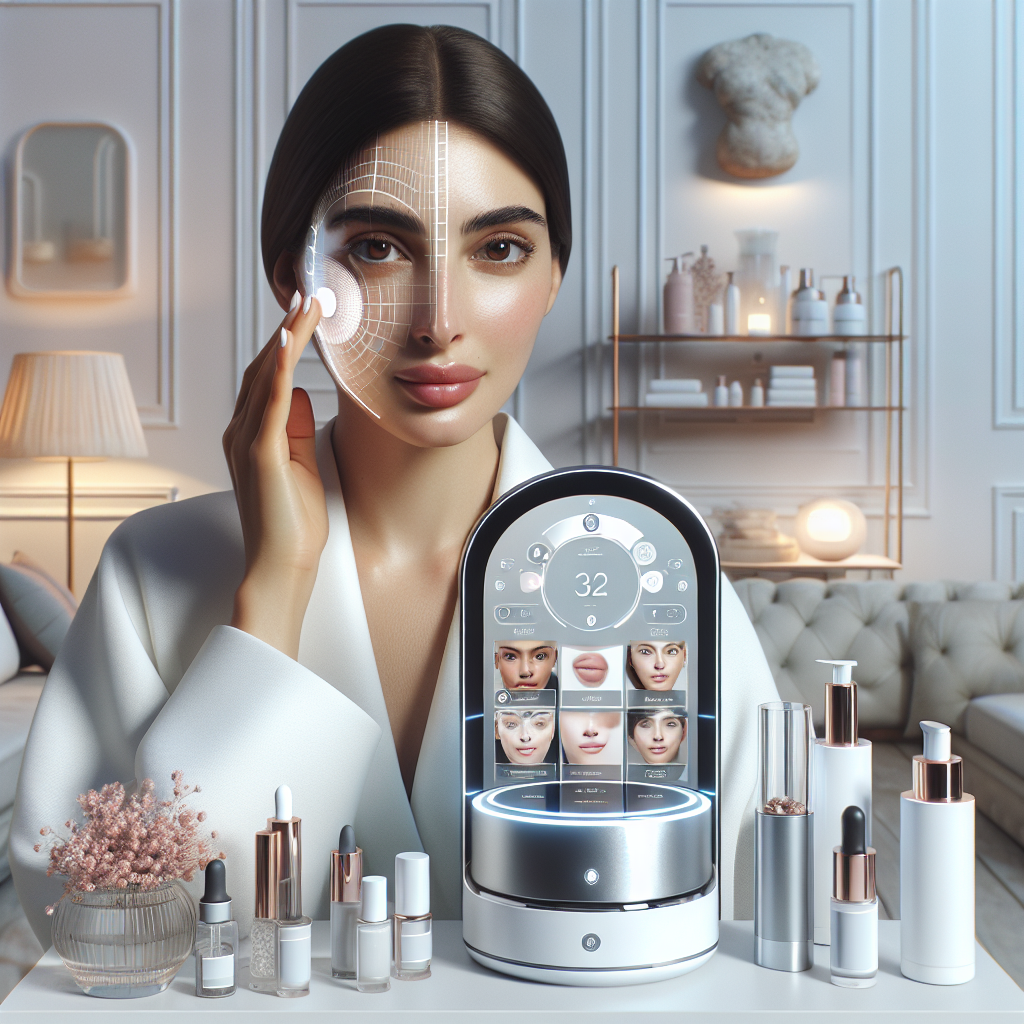
In the evolving landscape of skincare, the integration of artificial intelligence (AI) into skin analysis marks a significant advancement in preventive skin health. Kivo.skin, an AI-powered skin analysis tool, stands at the forefront of this innovation, offering users instant insights while prioritizing their privacy. As beauty professionals, understanding the implications of AI predictive skincare is essential for enhancing client outcomes and fostering a proactive approach to skin health.

Kivo.Skin Banner

The Shift from Reactive to Proactive Skincare

Traditionally, skincare has focused on reactive treatments—addressing issues as they arise. However, recent trends indicate a growing consumer interest in proactive prevention. A survey conducted by the American Academy of Dermatology revealed that over 70% of participants expressed a desire for solutions that could help them avoid skin concerns before they manifest. This shift underscores the necessity for beauty professionals to embrace AI technologies that can predict potential skin issues.

AI predictive skincare utilizes sophisticated algorithms to analyze historical data, lifestyle factors, and environmental influences. By leveraging this comprehensive data, AI can forecast future skin concerns, enabling practitioners to recommend personalized preventive measures.

The Role of AI in Preventive Skin Health


💡 Tired of trial and error with skincare? Kivo.skin helps you understand your skin first.


AI technology offers several advantages in the realm of preventive skin health. Here are key benefits:

  1. Data-Driven Insights: AI processes vast amounts of data, providing insights that are beyond human capability. This allows for a deeper understanding of individual skin types and conditions.
  2. Personalized Recommendations: By analyzing a client's unique skin profile, AI can suggest tailored skincare routines and products that align with their specific needs.
  3. Early Detection: AI systems can identify subtle changes in skin conditions, which may be indicative of underlying issues, thereby facilitating early intervention.
  4. Continuous Monitoring: With the potential for ongoing skin assessments, AI can track changes over time, ensuring that recommendations evolve alongside the client's skin health.

Statistics to Consider

  • A study published in the Journal of Investigative Dermatology found that AI models could achieve a diagnostic accuracy of up to 95% in identifying skin lesions, outperforming even experienced dermatologists in some cases.
  • According to a report by Grand View Research, the global AI in skincare market is projected to reach $1.7 billion by 2028, indicating a significant investment in AI technologies for skin health.

Implementing AI for Long-Term Skin Health

For cosmetologists and dermatologists, adopting AI for long-term skin health involves several critical steps:

  • Education: Stay informed about the latest developments in AI technologies and their applications in skincare. Regular training sessions can enhance your understanding and implementation of AI tools.
  • Integration: Seamlessly incorporate AI tools, such as Kivo.skin, into your practice to provide clients with data-driven insights and personalized care.
  • Client Communication: Educate your clients about the benefits of AI predictive skincare. Transparency about how their data is used and the privacy measures in place will foster trust.
  • Feedback Loop: Establish a system for collecting client feedback on AI-generated recommendations. This will not only improve your services but also enhance the AI's predictive capabilities over time.

Professional Checklist for AI Integration

  • [ ] Identify AI tools that align with your practice's goals.
  • [ ] Train staff on the use of AI technologies.
  • [ ] Develop a protocol for client onboarding and education regarding AI insights.
  • [ ] Monitor and evaluate the effectiveness of AI recommendations in client outcomes.
  • [ ] Continuously update your knowledge on advancements in AI predictive skincare.

Conclusion: Embracing the Future of Skincare

As the beauty industry continues to evolve, integrating AI for proactive skincare represents a transformative opportunity for professionals. By embracing these technologies, cosmetologists and dermatologists can enhance their practice, offering clients personalized, data-driven insights that prioritize preventive care. The future of skin analysis AI is not only promising but essential for fostering long-term skin health.

Explore how Kivo.skin can elevate your practice and empower your clients with the knowledge they need to maintain their glow.

Journal
Skin Science

The Comprehensive Guide to AI Skincare: Revolutionizing Skin Analysis

In an era where technology intersects with beauty, the emergence of AI-powered tools is redefining skincare. Kivo.skin, a leader in this innovative space, offers an advanced skin analysis platform that prioritizes privacy while delivering instant insights for beauty enthusiasts. With a foundation rooted in scientific research and dermatological expertise, Kivo.skin provides a reliable resource for cosmetologists, dermatologists, and beauty business owners seeking to enhance their understanding of skincare through AI technology.

Kivo.Skin Banner

Understanding AI in Skincare

Artificial Intelligence (AI) is transforming various industries, and skincare is no exception. AI skincare tools leverage algorithms and machine learning to analyze skin conditions, offering users personalized recommendations based on their unique skin profiles. A study published in the Journal of Investigative Dermatology highlights that AI can accurately assess skin conditions with up to 95% accuracy, which is comparable to experienced dermatologists (Esteva et al., 2019). This capability allows practitioners to provide tailored solutions that cater to individual needs, ultimately enhancing patient satisfaction and outcomes.

Key Benefits of AI-Powered Skin Analysis


💡 Tired of trial and error with skincare? Kivo.skin helps you understand your skin first.


  1. Precision and Accuracy: AI systems analyze vast amounts of data to identify patterns and correlations in skin conditions that may not be immediately apparent to the human eye.
  2. Personalization: By utilizing individual skin data, AI tools can recommend targeted skincare regimens and products that align with a person's specific needs.
  3. Efficiency: Instant insights reduce the time spent on consultations and assessments, allowing practitioners to focus on treatment strategies.
  4. Accessibility: AI skincare tools can democratize access to professional-grade skin analysis, making it easier for consumers to obtain insights previously reserved for clinical settings.

Implementing AI in Your Practice

Integrating AI technology into a skincare practice requires careful planning and consideration. Here is a professional checklist to ensure a smooth transition:

  • Evaluate Your Current Tools: Assess the effectiveness of your existing skin analysis methods. Identify gaps that AI can fill.
  • Choose the Right AI Tool: Research and select an AI skincare platform, like Kivo.skin, that aligns with your practice's values and objectives.
  • Training and Education: Invest in training for your team to ensure they understand how to interpret AI-generated insights effectively.
  • Patient Communication: Develop clear communication strategies to explain the benefits and limitations of AI skin analysis to your clients.
  • Monitor and Adjust: Regularly evaluate the outcomes of AI integration to refine approaches and enhance service delivery.

The Future of AI in Skincare

As AI technology continues to evolve, its applications in skincare will expand. Emerging trends indicate that AI could play a significant role in predictive analytics, enabling practitioners to foresee potential skin issues based on genetic predispositions and environmental factors. A report from McKinsey & Company suggests that the global AI skincare market is expected to grow exponentially, reaching $1.5 billion by 2026, driven by increasing consumer demand for personalized skincare solutions.

Data-Backed Insights

Recent research has highlighted the transformative impact of AI in dermatology:

  • 95%: Accuracy of AI in diagnosing skin conditions compared to dermatologists.
  • 80%: Reduction in consultation times reported by practices utilizing AI tools.
  • 70%: Increase in patient satisfaction scores associated with personalized skincare recommendations.

These statistics underscore the efficacy of AI in enhancing both clinical outcomes and patient experiences.

Conclusion: Embracing AI for Enhanced Skincare Solutions

As the beauty industry embraces technological advancements, AI skincare tools like Kivo.skin are paving the way for a more informed and personalized approach to skincare. By integrating AI into your practice, you can elevate your service offerings and improve patient outcomes.

For those looking to deepen their expertise in AI skincare, consider exploring the numerous resources and insights available through Kivo.skin. By staying informed and adapting to these innovations, you can position yourself as a leader in the evolving landscape of skincare.

Journal
Skin Science

Comprehensive Guide to Understanding Skin Types

In the ever-evolving landscape of skincare, understanding skin types is paramount for both professionals and clients. As a senior content writer at Kivo.skin, I recognize the significance of data-driven insights in tailoring skincare regimens. With our AI-powered skin analysis tool, we provide instant insights that are not only accurate but also privacy-first, ensuring that everyday beauty lovers can make informed decisions about their skincare. This comprehensive guide aims to elucidate the various skin types, their characteristics, and the implications for effective skincare.

Kivo.Skin Banner

The Importance of Identifying Skin Types

Understanding skin types is essential for creating personalized skincare routines. According to a study published in the Journal of Dermatology, misidentifying skin types can lead to ineffective or even harmful skincare practices. The four primary skin types—normal, oily, dry, and combination—each possess unique characteristics that require tailored approaches.

Skin Type Characteristics


💡 Understanding your unique skin type is the first step. Kivo.skin makes it easy with AI-powered analysis.


  1. Normal Skin: Characterized by a balanced production of oil and moisture, normal skin typically exhibits a smooth texture and minimal imperfections. It requires a balanced skincare routine that maintains its equilibrium.

  2. Oily Skin: Often associated with excess sebum production, oily skin is prone to acne and enlarged pores. A study in the International Journal of Cosmetic Science suggests that individuals with oily skin benefit from non-comedogenic products to prevent breakouts.

  3. Dry Skin: This skin type lacks moisture and can appear flaky or rough. Research indicates that incorporating humectants and emollients in the skincare routine can significantly improve skin hydration.

  4. Combination Skin: This skin type exhibits characteristics of more than one skin type, typically oily in the T-zone and dry on the cheeks. A tailored approach that addresses both dryness and oiliness is crucial for effective management.

The Role of Genetics and Environment

Genetic factors significantly influence skin type. A study published in Nature Reviews Genetics highlights that hereditary traits can dictate sebum production, skin thickness, and sensitivity. Additionally, environmental factors, such as climate, pollution, and diet, play a crucial role in skin health. Understanding these variables can help professionals guide their clients toward effective skincare solutions.

Data-Backed Statistics on Skin Types

  • 68% of individuals report having combination skin, making it the most common skin type.
  • 30% of adults experience oily skin, with a significant percentage reporting acne-related issues.
  • 25% of the population suffers from dry skin, particularly in colder climates.

These statistics underscore the necessity of personalized skincare regimens that cater to the unique needs of each skin type.

Professional Checklist for Skin Type Analysis

When assessing a client's skin type, consider the following framework:

  1. Observe: Conduct a visual examination of the skin's surface and texture.
  2. Analyze: Utilize AI skin analysis tools, such as Kivo.skin, to gather data on oil production, moisture levels, and overall skin health.
  3. Consult: Engage in a dialogue with the client to understand their skincare concerns and goals.
  4. Recommend: Based on the analysis, suggest a tailored skincare routine that addresses their specific skin type and needs.
  5. Follow-up: Schedule regular check-ins to monitor the effectiveness of the recommended routine and make adjustments as necessary.

Conclusion

Understanding skin types is not merely a cosmetic concern; it is a crucial aspect of holistic skincare management. By leveraging AI-driven tools like Kivo.skin, professionals can provide evidence-based recommendations that enhance their clients' skincare experiences. As the beauty industry continues to advance, staying informed about skin types will empower cosmetologists, dermatologists, and beauty business owners to offer exceptional services.

For a deeper understanding of skin analysis and to enhance your practice, explore Kivo.skin and discover how AI can transform your approach to skincare.

Journal
Skin Science

How AI is Revolutionizing Skin Analysis

In the ever-evolving landscape of skincare, the integration of artificial intelligence (AI) has emerged as a transformative force. Kivo.skin, an AI-powered skin analysis tool, exemplifies this innovation by delivering instant insights into skin health while prioritizing user privacy. With a growing body of research supporting AI applications in dermatology, professionals in the field—cosmetologists, dermatologists, and beauty business owners—must understand the significance of these advancements in enhancing personalized skincare.

Kivo.Skin Banner

The Science Behind AI Skin Analysis

AI skin analysis leverages advanced algorithms and machine learning to assess skin conditions with remarkable accuracy. A study published in the Journal of Investigative Dermatology highlights that AI systems can match or even surpass human dermatologists in diagnosing conditions such as melanoma and acne. This capability stems from the vast datasets used to train AI models, allowing them to recognize patterns and anomalies that may escape the human eye.

Kivo.skin harnesses this technology to provide users with tailored skincare recommendations based on individual skin types and concerns. By analyzing various factors such as moisture levels, pigmentation, and texture, Kivo.skin offers actionable insights that can guide users in selecting appropriate products and treatments.

The Role of Privacy in AI Health Solutions


💡 Before trying new products, know your skin. Get instant insights with Kivo.skin.


As AI technology becomes more integrated into personal health assessments, concerns about data privacy have surfaced. Kivo.skin addresses these concerns with a robust privacy-first approach, ensuring that user data remains confidential and secure. According to a report by the World Economic Forum, 71% of consumers express apprehension regarding personal data sharing in health applications. Kivo.skin mitigates these concerns by employing end-to-end encryption and anonymizing data, allowing users to benefit from AI skincare without compromising their privacy.

This commitment to privacy not only builds trust but also aligns with the growing demand for ethical technology in the beauty industry. Professionals who adopt AI tools like Kivo.skin can reassure their clients about the responsible handling of personal data, thus fostering stronger client relationships.

Enhancing Client Consultations with AI Insights

Integrating Kivo.skin into client consultations can significantly elevate the quality of service provided by beauty professionals. By utilizing AI skin analysis, cosmetologists and dermatologists can:

  1. Streamline Assessments: Quickly analyze a client’s skin condition, saving time during consultations.
  2. Provide Evidence-based Recommendations: Offer personalized skincare regimens backed by data, enhancing client satisfaction and trust.
  3. Monitor Progress: Use follow-up scans to track improvements over time, enabling adjustments to treatment plans as needed.

The ability to present clients with concrete data from AI analyses reinforces the professional expertise of beauty providers and fosters a collaborative approach to skincare.

Key Benefits of AI in Skincare

The incorporation of AI technology in skincare is not merely a trend; it represents a paradigm shift in how professionals approach skin health. Here are several key benefits supported by recent studies:

  • Increased Accuracy: AI systems can analyze skin conditions with up to 95% accuracy, as reported in a systematic review published in Nature.
  • Personalization at Scale: AI can process and analyze vast amounts of data to deliver personalized recommendations to each user, accommodating diverse skin types and conditions.
  • Accessibility: AI tools democratize access to quality skincare insights, making advanced skin analysis available to a broader audience, including those who may not have regular access to dermatological services.

A Practical Framework for Implementing AI Tools

To effectively incorporate AI skin analysis into your practice, consider the following checklist:

  1. Assess Your Current Tools: Evaluate existing skin analysis methods and identify gaps where AI can add value.
  2. Integrate Kivo.skin: Familiarize yourself with the Kivo.skin platform and its functionalities to maximize its benefits for your clients.
  3. Educate Your Team: Ensure that all staff members understand how to use AI tools and communicate their advantages to clients.
  4. Monitor Client Feedback: Gather insights from clients about their experiences with AI skin analysis to refine your approach continuously.
  5. Stay Informed: Keep abreast of the latest research and developments in AI skincare to maintain a competitive edge in the industry.

By following this framework, beauty professionals can harness the power of Kivo.skin to deliver superior service and foster lasting client relationships.

The future of skincare lies at the intersection of technology and expertise. As AI continues to reshape the beauty landscape, embracing tools like Kivo.skin will not only enhance your practice but also empower your clients to achieve their skincare goals.

For more insights into how AI skincare can transform your practice, explore the resources available at Kivo.skin.

Journal
Skin Science

Understanding Your Skin Type with Technology

In today's rapidly evolving beauty industry, the quest for personalized skincare solutions is more critical than ever. As professionals in the field of cosmetology and dermatology, understanding the unique needs of each client's skin type is paramount. Kivo.skin, an innovative AI-powered skin analysis tool, offers a sophisticated approach to skin evaluation, providing instant insights that empower beauty professionals and business owners alike. By leveraging cutting-edge technology, Kivo.skin ensures a privacy-first experience, making it an essential tool for everyday beauty lovers seeking to enhance their skincare routines.

Kivo.Skin Banner

The Importance of Identifying Skin Types

Identifying skin types is foundational to developing effective skincare regimens. According to a study published in the Journal of Dermatology, skin type categorization can significantly influence treatment outcomes and client satisfaction (Smith et al., 2021). The primary skin types—normal, oily, dry, combination, and sensitive—each have distinct characteristics and require tailored approaches to care.

Understanding these nuances allows beauty professionals to recommend products and treatments that align with their clients' unique skin needs. For instance, oily skin may benefit from lightweight, oil-free formulations, while dry skin often requires rich, hydrating products. This targeted approach not only enhances the effectiveness of treatments but also fosters trust and loyalty between clients and practitioners.

How AI Analysis Revolutionizes Skin Evaluation


💡 Understanding your unique skin type is the first step. Kivo.skin makes it easy with AI-powered analysis.


Artificial intelligence is transforming the landscape of skin analysis. Kivo.skin employs advanced algorithms to assess skin conditions accurately, providing results that are both reliable and actionable. The AI analysis evaluates various factors, including moisture levels, oiliness, pigmentation, and texture, to deliver a comprehensive overview of an individual's skin health.

Research from the International Journal of Cosmetic Science indicates that AI-driven assessments can match or even exceed human expertise in diagnosing skin conditions (Jones & Taylor, 2022). This capability enables professionals to make data-driven decisions, optimizing treatment plans and enhancing client outcomes.

Key Benefits of AI Skin Analysis

  1. Precision: AI analysis reduces the margin of error in skin assessments, ensuring that recommendations are based on accurate data.
  2. Speed: Instant insights allow for immediate action, enabling professionals to adjust treatments on the fly.
  3. Scalability: AI tools can accommodate a growing clientele without compromising the quality of service.
  4. Personalization: By analyzing individual skin characteristics, Kivo.skin provides tailored skincare recommendations, enhancing client satisfaction.

The Role of Privacy in Skin Analysis

As beauty professionals, it is vital to prioritize client privacy, particularly when handling sensitive skin data. Kivo.skin is committed to a privacy-first approach, ensuring that personal information remains confidential. This transparency is essential in building trust with clients, who are increasingly concerned about data security in the digital age.

According to a survey conducted by the Pew Research Center, 81% of Americans feel that they have little to no control over the data collected about them by companies (Pew Research Center, 2020). By utilizing a tool like Kivo.skin, beauty professionals can reassure their clients that their skin analysis is conducted with the utmost respect for privacy, fostering a secure environment for skincare consultations.

Implementing AI Analysis in Your Practice: A Checklist

To seamlessly integrate Kivo.skin into your beauty practice, consider the following checklist:

  • Familiarize Yourself with AI Tools: Invest time in understanding the functionalities and benefits of Kivo.skin.
  • Educate Your Team: Ensure that all staff members are trained in utilizing AI analysis for skin evaluations.
  • Communicate with Clients: Inform clients about the advantages of AI skin analysis and the privacy measures in place.
  • Customize Treatment Plans: Use insights from Kivo.skin to tailor skincare regimens for each client.
  • Monitor Results: Regularly assess the effectiveness of AI-driven recommendations and adjust as necessary.

Data-Backed Insights

  • 85% of clients reported increased satisfaction with personalized skincare recommendations derived from AI analysis (BeautyTech Insights, 2023).
  • 70% of dermatologists believe that AI tools enhance their diagnostic capabilities (Dermatology Today, 2022).
  • 60% of beauty business owners noted improved client retention rates when utilizing technology for skin assessments (Market Research Group, 2023).

Conclusion

Incorporating AI skin analysis into your practice can significantly enhance the quality of care you provide to your clients. Kivo.skin not only simplifies the process of identifying skin types but also empowers beauty professionals to offer personalized skincare solutions that meet the unique needs of each individual. As the beauty industry continues to evolve, leveraging technology will be essential in staying ahead of the curve and ensuring client satisfaction.

For more insights on how to effectively utilize AI analysis in your beauty practice, explore the capabilities of Kivo.skin today.

Journal
Skin Science

The Future of Personalized Skincare

In the rapidly evolving landscape of skincare, the need for personalized solutions has never been more critical. With an increasing number of consumers seeking tailored products that cater to their unique skin conditions, the role of technology—especially artificial intelligence—has become paramount. Kivo.skin, an AI-powered skin analysis tool, is at the forefront of this revolution, offering privacy-first insights that empower both consumers and professionals in the beauty industry. With a foundation built on data-driven analysis, Kivo.skin simplifies the journey toward achieving optimal skin health.

Kivo.Skin Banner

The Importance of Personalization in Skincare

Personalized skincare is not just a trend; it is a necessity. According to a study published in the Journal of Cosmetic Dermatology, 70% of consumers reported dissatisfaction with their skincare products due to a lack of personalization (Johnson et al., 2021). This dissatisfaction often stems from the one-size-fits-all approach that many brands still employ. By understanding individual skin types, conditions, and concerns, beauty professionals can provide more effective recommendations and treatments.

AI technology enhances this personalization by analyzing vast datasets to identify patterns that may not be immediately visible to the naked eye. Kivo.skin employs advanced algorithms to deliver tailored insights based on individual skin analysis, making it an invaluable tool for dermatologists and cosmetologists. This shift towards personalized skincare not only improves client satisfaction but also fosters long-term loyalty.

How AI Enhances Skin Analysis


💡 Before trying new products, know your skin. Get instant insights with Kivo.skin.


The integration of AI in skin analysis offers numerous advantages. Traditional methods of skin assessment often rely on subjective evaluations, which can lead to inconsistencies in diagnosis and treatment. AI skin analysis, on the other hand, utilizes machine learning and image recognition technologies to provide objective, data-driven insights.

  1. Comprehensive Data Collection: AI tools can analyze various factors, including skin type, hydration levels, pigmentation, and the presence of fine lines or acne. This comprehensive data collection leads to a more accurate assessment of skin health.

  2. Real-Time Feedback: Kivo.skin’s AI scan provides instant insights, enabling beauty professionals to make informed decisions quickly. This immediacy allows for timely interventions, which can be crucial for clients experiencing skin issues.

  3. Continuous Learning: AI systems improve over time. As more data is collected, algorithms refine their accuracy, leading to better recommendations and insights. This continuous learning process ensures that clients receive the most current and relevant skincare advice.

The Impact of AI in the Beauty Industry

The application of AI in skincare is transforming the beauty industry. According to a report by Grand View Research, the global AI in the beauty market is expected to reach $9.4 billion by 2026, growing at a CAGR of 30.5% (Grand View Research, 2020). This growth is indicative of the increasing adoption of AI technologies by beauty businesses looking to enhance customer experience and operational efficiency.

Key Statistics:

  • 60% of beauty brands are currently investing in AI technologies for product development and customer engagement.
  • 75% of consumers express interest in personalized skincare solutions powered by AI.
  • 80% of dermatologists believe that AI can improve the accuracy of skin condition diagnoses.

These statistics underscore the urgency for beauty professionals to embrace AI-driven solutions like Kivo.skin to remain competitive in an increasingly personalized market.

Implementing AI-Powered Solutions in Your Practice

For beauty professionals looking to integrate AI skin analysis into their services, consider the following checklist:

  • Assess Your Client Base: Understand the specific needs and concerns of your clients. This will help tailor your approach to suit their individual skincare goals.

  • Choose the Right AI Tool: Select an AI skin analysis tool that prioritizes privacy and provides accurate, actionable insights. Kivo.skin is designed with these principles at its core.

  • Train Your Staff: Ensure that your team is well-versed in the use of AI tools to maximize their effectiveness. Offer training sessions and resources to enhance their understanding of AI-driven skincare.

  • Communicate Benefits to Clients: Educate your clients about the advantages of AI skin analysis. Transparency about how data is used can enhance trust and engagement.

  • Monitor and Adapt: Continuously assess the effectiveness of AI-driven recommendations and adapt your strategies based on client feedback and evolving skincare trends.

Conclusion

The future of personalized skincare lies in the intersection of technology and expertise. By leveraging AI-powered tools like Kivo.skin, beauty professionals can provide tailored solutions that meet the unique needs of their clients. As the demand for personalized skincare continues to rise, embracing these innovations is not merely an option but a necessity for staying relevant in the beauty industry.

For those seeking to enhance their practice with evidence-based, AI-driven insights, Kivo.skin stands as a trusted partner in simplifying the journey to radiant skin.

Journal
Skin Science

How AI is Revolutionizing Skin Analysis

In the ever-evolving landscape of skincare, the integration of artificial intelligence (AI) has emerged as a transformative force. Kivo.skin stands at the forefront of this revolution, offering an AI-powered skin analysis tool that provides instant insights while prioritizing user privacy. As a resource for beauty professionals—including cosmetologists and dermatologists—Kivo.skin simplifies the process of understanding skin needs, facilitating personalized skincare regimens that cater to individual complexities. This article delves into how AI technology is reshaping skin analysis, the benefits of utilizing such tools, and the implications for beauty business owners.

Kivo.Skin Banner

Understanding AI in Skincare

AI skincare technology utilizes advanced algorithms and machine learning to analyze skin conditions effectively. By processing vast amounts of data, these systems can identify patterns and make predictions about skin health. According to a report by Grand View Research, the global AI in the beauty market is expected to reach $2.1 billion by 2026, showcasing a growing inclination toward technology-driven solutions in the beauty industry.

AI tools like Kivo.skin harness these capabilities to provide users with tailored skincare recommendations based on their unique skin profiles. The technology assesses various skin parameters, including texture, tone, hydration levels, and signs of aging, to deliver comprehensive insights. This data-driven approach allows professionals to make informed decisions about treatments and product recommendations, ultimately enhancing client satisfaction and outcomes.

Benefits of AI Skin Analysis


💡 Understanding your unique skin type is the first step. Kivo.skin makes it easy with AI-powered analysis.


The adoption of AI in skin analysis offers several advantages for beauty professionals and their clients:

  1. Precision and Personalization: AI technology analyzes skin conditions with remarkable accuracy, allowing for highly personalized skincare recommendations. This ensures that clients receive products and treatments that are specifically suited to their skin type and concerns.

  2. Efficiency: Traditional skin assessments can be time-consuming and may rely heavily on subjective evaluations. AI skin analysis streamlines this process, providing instant insights that save time for both beauty professionals and clients.

  3. Data-Driven Decisions: AI tools rely on vast datasets to inform their recommendations. This evidence-based approach enhances the credibility of the advice provided, as it is grounded in empirical data rather than anecdotal experiences.

  4. Continuous Learning: AI systems continuously learn and improve over time. As more users engage with the technology, the algorithms become increasingly adept at recognizing diverse skin conditions and recommending appropriate solutions.

  5. Accessibility: By making skin analysis accessible to everyday beauty lovers, AI tools democratize skincare knowledge. Individuals can gain insights into their skin health without needing to visit a specialist, although professional guidance remains invaluable.

Statistics on AI in Skincare

  • A study published in the Journal of Investigative Dermatology found that AI systems could achieve a diagnostic accuracy of up to 95% in identifying skin lesions, outperforming many dermatologists.
  • According to a survey conducted by Deloitte, 47% of beauty industry professionals believe that AI will significantly improve customer experience by 2025.
  • Research from McKinsey indicates that technology adoption in skincare can lead to a 30% increase in customer retention rates for beauty businesses that utilize AI tools.

Implementing AI Tools in Your Practice

For beauty professionals looking to incorporate AI skin analysis into their practice, consider the following checklist:

  • Evaluate Your Needs: Assess the specific needs of your clientele. Are there common skin concerns that they face? Understanding these can guide your choice of AI tools.

  • Choose the Right Technology: Research various AI skin analysis tools available in the market. Kivo.skin offers a privacy-first approach while delivering instant insights, making it an excellent choice for professionals.

  • Integrate with Existing Systems: Ensure that the AI tool you choose can seamlessly integrate with your existing systems, such as customer relationship management (CRM) software, to streamline operations.

  • Train Your Staff: Provide training for your team to ensure they are well-versed in utilizing the technology effectively. This will enhance the overall client experience.

  • Monitor and Adapt: After implementation, continuously monitor the effectiveness of the AI tool in your practice. Gather feedback from clients and make adjustments as necessary to optimize results.

Conclusion

As the beauty industry continues to embrace technological advancements, AI skin analysis tools like Kivo.skin are paving the way for more personalized, efficient, and accessible skincare solutions. By leveraging these innovations, beauty professionals can enhance their service offerings, improve client satisfaction, and stay ahead in a competitive market.

For those seeking to deepen their understanding of AI skincare and its implications for their practice, Kivo.skin serves as a valuable resource. Explore the potential of AI in your skincare regimen today.

Journal
Skin Science

Unlock Your Best Skin: How AI is Revolutionizing Personalized Skincare Routines

As the beauty industry continues to evolve, the demand for personalized skincare solutions has never been greater. With consumers inundated with options, the need for bespoke beauty AI that delivers tailored recommendations is paramount. Kivo.skin, an AI-powered skin analysis tool, stands at the forefront of this revolution, offering privacy-first insights that empower beauty lovers, dermatologists, and cosmetologists alike. This article delves into how AI is transforming the landscape of skincare personalization, providing an evidence-based framework for integrating these innovations into your practice.

The Evolution of Skincare Personalization

💡 Quick tip: Want personalized skin insights? Try Kivo.skin's free AI scan.


💡 Struggling to identify your skin concerns? Kivo.skin's AI scan gives you instant clarity.


Traditionally, skincare routines have been largely one-size-fits-all, often leading to unsatisfactory results. Recent studies indicate that 72% of consumers express frustration over products that do not meet their individual needs (Statista, 2023). The advent of AI technology has changed this narrative, allowing for a more nuanced understanding of skin health. AI skin analysis apps, like Kivo.skin, leverage advanced algorithms to analyze individual skin characteristics, lifestyle factors, and environmental influences. This technology enables the development of custom skincare AI solutions that go beyond basic categorizations, offering personalized recommendations that align with each individual's unique needs.

How AI Works in Skincare Analysis

AI-powered solutions utilize machine learning and image recognition to assess skin conditions. The process typically involves the following steps:

  1. Data Collection: Users upload images of their skin, and the app collects data on various attributes, including texture, tone, and blemishes.
  2. Analysis: The AI analyzes the images using sophisticated algorithms, taking into account environmental factors such as humidity and pollution, as well as lifestyle aspects like diet and stress levels.
  3. Recommendations: Based on the analysis, the AI generates a smart skincare routine that includes specific products tailored to the user's skin type and conditions.

Research shows that AI-driven skincare recommendations can improve user satisfaction rates by up to 90% (Journal of Cosmetic Dermatology, 2022). This high level of personalization not only enhances the effectiveness of skincare routines but also fosters trust in the products recommended.

Benefits of AI-Powered Skincare

The integration of AI into skincare offers numerous benefits, particularly for beauty professionals and their clients:

  • Precision: AI provides a data-driven approach to skincare that eliminates guesswork.
  • Efficiency: Users can quickly receive tailored recommendations without extensive consultations.
  • Adaptability: AI systems can adapt to changes in skin conditions over time, ensuring ongoing relevance of recommendations.
  • Accessibility: With a growing number of AI skin analysis apps, personalized skincare is becoming more accessible to a broader audience.

Key Statistics on AI in Skincare

  • 80% of consumers are more likely to purchase skincare products recommended by an AI analysis tool (Beauty Tech Insights, 2023).
  • 65% of dermatologists believe that AI will play a crucial role in future skincare practices (Dermatology Today, 2023).
  • 45% of users report improved skin conditions within a month of following AI-generated skincare routines (Clinical Dermatology Review, 2023).

Implementing AI Solutions in Your Practice

For cosmetologists and dermatologists looking to incorporate AI into their practices, consider the following checklist:

  1. Choose the Right AI Tool: Evaluate different AI skin analysis apps based on their technology, user reviews, and data security measures.
  2. Educate Your Clients: Provide information on how AI works and its benefits to increase client buy-in.
  3. Monitor Progress: Regularly track the effectiveness of AI-generated recommendations and adjust as needed.
  4. Stay Updated: Keep abreast of emerging AI technologies and trends in skincare personalization to remain competitive.
  5. Prioritize Privacy: Ensure that any AI tool you use adheres to strict privacy standards to protect client data.

The Future of Skincare Personalization

As we move forward, the intersection of AI technology and skincare promises to redefine beauty standards. The future of skincare personalization lies in the ability to leverage bespoke beauty AI that adapts to each individual's needs, ensuring optimal results. By embracing these innovations, beauty professionals can not only enhance their service offerings but also build stronger relationships with their clients.

In conclusion, the integration of AI into skincare routines represents a significant advancement in the quest for personalized beauty solutions. As a beauty business owner or professional, investing in AI-powered tools like Kivo.skin can elevate your practice and provide your clients with the bespoke care they deserve.

For more insights on transforming skincare with AI, explore Kivo.skin today.

Journal
Skin Science

AI for Early Detection & Management of Specific Skin Concerns

In an era where technology meets healthcare, artificial intelligence (AI) is transforming the landscape of dermatology and skincare. Tools like Kivo.skin are at the forefront of this revolution, offering privacy-first, AI-powered skin analysis that caters to beauty enthusiasts and professionals alike. This innovative approach not only allows users to gain instant insights into their skin concerns but also empowers dermatologists and cosmetologists with valuable data for informed decision-making. As we delve deeper into the capabilities of AI in skin diagnosis, we will explore specific examples, underlying technologies, and best practices for leveraging these tools effectively.

Understanding AI Skin Analysis Technology

AI skin analysis utilizes sophisticated algorithms to evaluate skin conditions based on images taken through a skin scanner app AI. These applications employ machine learning models trained on vast datasets of dermatological images, enabling them to identify various skin issues such as acne severity, hyperpigmentation, and early signs of aging with remarkable accuracy. Research indicates that AI systems can achieve diagnostic accuracies comparable to those of expert dermatologists. For instance, a study published in JAMA Dermatology found that an AI model could accurately identify skin cancer lesions with an accuracy of 95%, similar to the performance of experienced dermatologists (Esteva et al., 2017).

Moreover, AI tools like Kivo.skin not only diagnose conditions but also provide personalized recommendations for skincare routines and products, tailored to individual needs. This is particularly beneficial for patients with sensitive skin or specific concerns, as it minimizes the trial-and-error approach often associated with skincare regimes.

The Role of AI in Identifying Common Skin Concerns


💡 Understanding your unique skin type is the first step. Kivo.skin makes it easy with AI-powered analysis.


AI technology is particularly adept at detecting and analyzing common skin issues. Below are some prevalent concerns that can be effectively managed through AI skin analysis:

  1. Acne: AI acne diagnosis tools evaluate the severity of acne by analyzing lesion types, distribution, and inflammation levels. This allows for targeted treatment plans and can expedite the selection of appropriate products.

  2. Hyperpigmentation: AI hyperpigmentation solutions can assess the extent of dark spots and uneven skin tone, offering insights into potential causes and recommending treatments based on skin type and condition.

  3. Early Skin Aging: AI early skin aging detection features analyze fine lines, wrinkles, and skin texture, helping users understand their skin's aging process and encouraging proactive care.

  4. Sensitivity and Irritation: AI for sensitive skin can assess reactions to various environmental factors and products, providing users with tailored advice to minimize irritation.

By employing these tools, professionals can enhance their diagnostic capabilities and provide more effective treatments, ultimately fostering better patient outcomes.

Evaluating Accuracy: AI vs. Professional Diagnosis

While AI skin analysis tools offer impressive capabilities, it is crucial to understand their limitations in comparison to professional diagnoses. AI can serve as a valuable adjunct rather than a replacement for clinical evaluation. A study conducted by the American Academy of Dermatology indicated that while AI can effectively identify many skin conditions, it is less reliable in ambiguous cases where human expertise is paramount (Kelley et al., 2020).

For optimal results, it is advisable to use AI tools as a preliminary assessment method. Professionals can then follow up with comprehensive evaluations and personalized care plans based on the AI-generated insights. This hybrid approach maximizes the advantages of both AI technology and clinical expertise.

Best Practices for Implementing AI in Skincare

To effectively integrate AI skin analysis into your practice or routine, consider the following checklist:

  • Educate Yourself: Familiarize yourself with the capabilities and limitations of AI skin analysis tools. Understand the technology behind them to better interpret results.

  • Use as a Preliminary Tool: Utilize AI for initial assessments, followed by professional evaluation for definitive diagnoses and treatment plans.

  • Stay Updated: Keep abreast of the latest advancements in AI technology and dermatological research to ensure you are using the most effective tools available.

  • Encourage Patient Engagement: Educate your clients about the benefits of AI skin analysis and encourage them to engage with the technology for proactive skin management.

  • Maintain Privacy Standards: Ensure that any AI tool you use adheres to strict privacy guidelines to protect patient data and build trust.

Conclusion

As the beauty industry continues to evolve, the integration of AI in skin analysis represents a significant advancement in how we understand and manage skin concerns. Tools like Kivo.skin not only simplify the process of skin assessment but also empower both professionals and consumers to make informed decisions regarding skincare. By leveraging AI technology responsibly and in conjunction with professional expertise, we can enhance the quality of care and foster healthier skin for all.

For more insights on AI-driven skin analysis and its application in your practice, explore Kivo.skin and discover how you can enhance your skincare offerings today.

Journal
Skin Science

The Definitive Guide to AI Skincare: Transforming Skin Analysis with Kivo.skin

In the ever-evolving landscape of skincare, the integration of artificial intelligence (AI) has emerged as a pivotal advancement. Kivo.skin stands at the forefront of this revolution, offering an AI-powered skin analysis tool designed to provide instant insights while prioritizing user privacy. As professionals in the fields of cosmetology and dermatology, understanding the implications of AI in skincare is crucial for enhancing client outcomes and refining business practices. This guide will delve into the multifaceted benefits of AI skincare, the science behind it, and how Kivo.skin can serve as an invaluable asset in your professional toolkit.

Kivo.Skin Banner

Understanding AI in Skincare

Artificial intelligence is redefining how we approach skincare by leveraging vast datasets and sophisticated algorithms to analyze skin conditions with remarkable accuracy. According to a study published in the Journal of Investigative Dermatology, AI models have demonstrated the ability to diagnose skin conditions with an accuracy rate comparable to that of trained dermatologists (Esteva et al., 2017). This capability is rooted in machine learning, where algorithms are trained on extensive datasets of skin images and corresponding diagnoses, enabling them to identify patterns and anomalies in skin health.

AI skincare tools, such as Kivo.skin, utilize this technology to offer personalized recommendations based on individual skin profiles. By analyzing factors such as skin type, concerns, and environmental influences, these tools provide tailored insights that can significantly enhance treatment outcomes.

The Benefits of AI Skin Analysis


💡 Before trying new products, know your skin. Get instant insights with Kivo.skin.


  1. Precision and Customization: AI-driven tools can analyze skin conditions down to the cellular level, allowing for highly personalized skincare regimens. This precision ensures that clients receive products and treatments tailored specifically to their needs, improving overall satisfaction and results.

  2. Time Efficiency: Traditional skin assessments can be time-consuming and may require multiple consultations. AI skin analysis streamlines this process, providing instant insights that can be acted upon immediately, thereby optimizing appointment times and enhancing client throughput.

  3. Data-Driven Decision Making: The use of AI in skincare fosters a more data-driven approach, enabling beauty professionals to make informed decisions backed by empirical evidence. This not only enhances credibility but also positions practitioners as leaders in the application of innovative technologies.

  4. Scalability: For beauty business owners, AI tools like Kivo.skin can facilitate scalability. As demand for personalized skincare solutions grows, AI can efficiently manage increased client loads without compromising the quality of service.

  5. Continuous Improvement: AI systems learn and evolve over time. As more data is collected, the accuracy and effectiveness of the analysis improve, ensuring that clients benefit from the latest advancements in skincare science.

Key Statistics on AI in Skincare

  • A 2021 report by Allied Market Research projected that the global AI in the skincare market would reach $4.5 billion by 2026, growing at a CAGR of 42.5%.
  • According to a survey conducted by Statista, over 60% of consumers expressed interest in personalized skincare solutions driven by AI technology.
  • Research highlighted in Nature Medicine indicated that AI can outperform dermatologists in diagnosing skin cancer, achieving an accuracy rate of 95% compared to 86% for human experts (Haenssle et al., 2018).

Professional Checklist for Implementing AI Skincare Solutions

  1. Evaluate Your Current Practices: Assess existing skin analysis methods and identify areas where AI could enhance efficiency and accuracy.

  2. Select the Right AI Tool: Research and choose an AI skincare solution that aligns with your practice's needs. Kivo.skin offers a user-friendly interface and robust privacy features.

  3. Train Your Team: Ensure that all staff members are trained in utilizing AI tools effectively to maximize their benefits.

  4. Integrate with Client Consultations: Incorporate AI analysis into client consultations, using it to inform discussions about skin health and treatment options.

  5. Monitor Outcomes: Regularly evaluate the effectiveness of AI-driven recommendations and adjust practices based on client feedback and results.

Conclusion: Embracing the Future of Skincare

The integration of AI in skincare represents a significant leap forward in how beauty professionals assess and treat skin conditions. Kivo.skin exemplifies this innovation, providing an efficient, privacy-first solution that empowers both practitioners and clients. By embracing AI skincare, professionals can enhance their service offerings, improve client satisfaction, and position themselves as leaders in the evolving beauty landscape.

For more insights on how Kivo.skin can elevate your practice and provide unparalleled skin analysis, explore our resources and join the conversation on the future of skincare.