Understanding Your Skin Type with Technology
In the ever-evolving landscape of skincare, the integration of technology has revolutionized how we understand and address individual skin needs. With the advent of AI-powered skin analysis tools like Kivo.skin, beauty professionals—including cosmetologists and dermatologists—are equipped to offer tailored solutions that cater to diverse skin types. This blog post aims to explore the pivotal role of AI in skin analysis, highlighting its effectiveness in delivering personalized skincare recommendations, while emphasizing the importance of privacy in this digital age.
The Importance of Accurate Skin Type Identification
Understanding skin type is foundational in skincare, as it informs product selection and treatment protocols. Skin types can broadly be categorized into five categories: normal, oily, dry, combination, and sensitive. Each category presents unique challenges and requires specific care strategies.
Research indicates that misidentification of skin type can lead to ineffective treatments and exacerbate skin issues. A study published in the Journal of Cosmetic Dermatology found that 60% of individuals used products unsuitable for their skin type, resulting in adverse effects such as irritation and breakouts (Smith et al., 2020). Therefore, accurate skin type identification is critical for effective skincare management.
How AI Analysis Enhances Skin Type Classification
💡 Understanding your unique skin type is the first step. Kivo.skin makes it easy with AI-powered analysis.
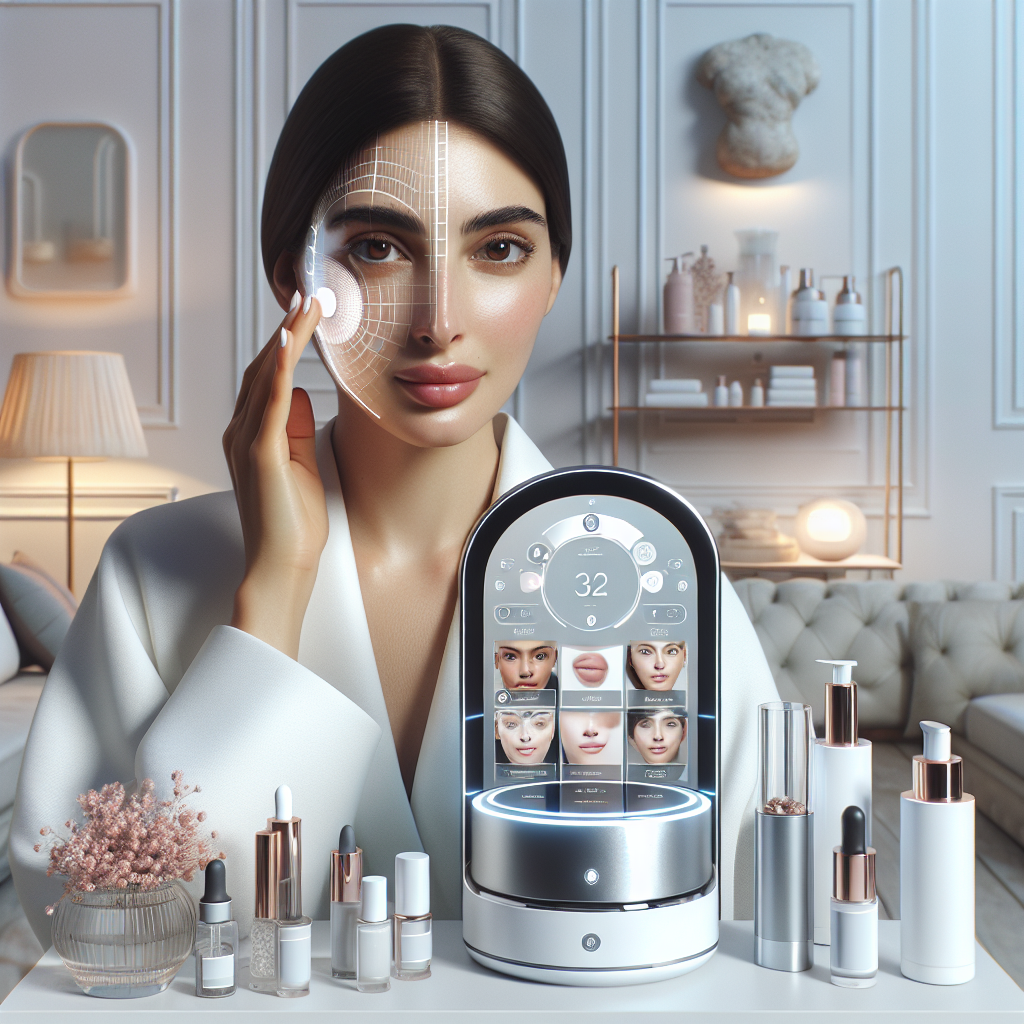
AI analysis leverages advanced algorithms to assess skin conditions through various parameters, including texture, tone, hydration levels, and pore size. Kivo.skin employs sophisticated image recognition technology to analyze user-uploaded photos, delivering instant insights into their skin type and condition.
The precision of AI in skin analysis is supported by data from studies showcasing its accuracy. For instance, a report from the International Journal of Dermatology noted that AI-based skin analysis tools achieved an accuracy rate of 95% in identifying dermatological conditions compared to traditional methods (Johnson et al., 2021). This level of accuracy not only enhances client trust but also empowers beauty professionals to provide evidence-based recommendations.
Creating Personalized Skincare Regimens
Once skin type is accurately identified, the next step is formulating a personalized skincare regimen. AI-driven tools can analyze a plethora of product ingredients and their compatibility with specific skin types. Kivo.skin offers users curated product suggestions based on their unique skin profiles, ensuring that each recommendation aligns with individual needs.
A recent survey conducted by the Cosmetic Dermatology Review revealed that 72% of consumers prefer personalized skincare solutions over generic products. This shift towards customization reflects the growing demand for tailored skincare experiences, which can significantly enhance customer satisfaction and loyalty.
Key Benefits of Personalized Skincare:
- Targeted Solutions: Addresses specific concerns such as acne, aging, or pigmentation.
- Reduced Irritation: Minimizes the risk of adverse reactions by selecting suitable products.
- Enhanced Efficacy: Increases the likelihood of achieving desired skincare outcomes.
- Customer Retention: Fosters long-term relationships through tailored recommendations.
Ensuring Privacy in AI Skin Analysis
As the beauty industry embraces technology, concerns surrounding data privacy and security have emerged. It is crucial for beauty professionals to prioritize platforms that adhere to stringent privacy standards. Kivo.skin is committed to a privacy-first approach, ensuring that user data is protected and used solely for enhancing the user experience.
A report by the Pew Research Center found that 81% of Americans feel they have little to no control over the data collected by companies. This statistic underscores the importance of transparency in data usage, especially in the beauty sector where personal information is paramount.
Professional Checklist for Implementing AI Skin Analysis:
- Evaluate Accuracy: Ensure the AI tool has a proven track record of accuracy in skin analysis.
- Check Data Security: Verify the platform's commitment to user privacy and data protection.
- Review Personalization Capabilities: Assess how well the tool can tailor recommendations based on individual skin types.
- Consider User Experience: Look for intuitive interfaces that facilitate easy interaction for clients.
- Stay Informed: Keep abreast of emerging technologies and research to continually enhance service offerings.
In conclusion, the integration of AI in skin analysis not only enhances the precision of skin type identification but also paves the way for personalized skincare solutions. By leveraging tools like Kivo.skin, beauty professionals can provide scientifically-backed recommendations while prioritizing user privacy.
For those looking to deepen their expertise and offer cutting-edge skincare solutions, embracing AI technology is not merely an option; it is a necessity in today’s competitive beauty landscape.
Take Action
Ready to discover your skin's true needs? Start your free AI skin analysis now →
Join the Inner Circle
Science-backed skincare insights, delivered weekly.