AI-Powered Skin Diagnosis & Virtual Consultations
In an era where technology is seamlessly integrated into our daily lives, the beauty industry is experiencing a significant transformation. AI skin diagnostic apps and tools are emerging as essential resources for both beauty professionals and everyday consumers seeking effective skin analysis. With the ability to provide instant insights into skin conditions and tailored product recommendations, these advanced solutions are reshaping how we understand and care for our skin. This article explores the capabilities of AI skin diagnostic tools, their accuracy, and how beauty professionals can maximize their benefits for clients.
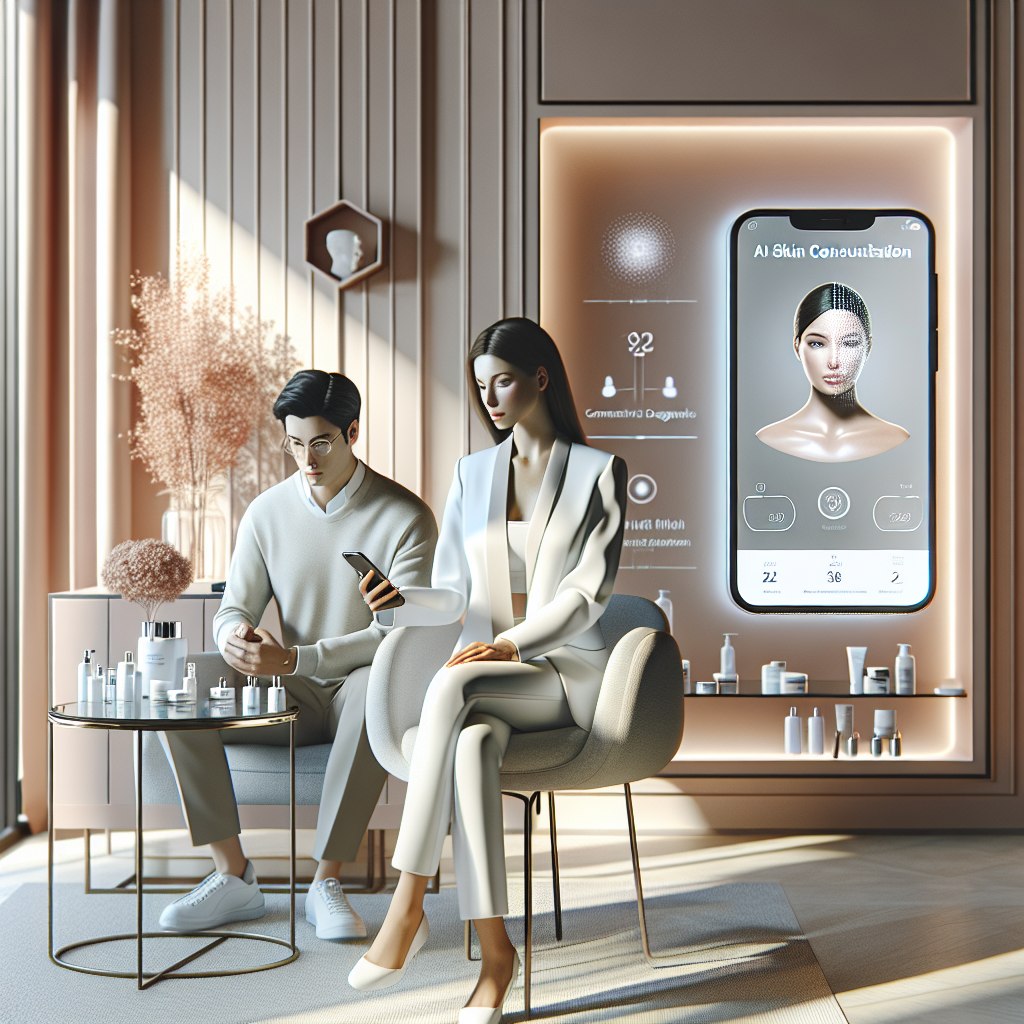
Understanding AI Skin Diagnostic Tools
AI skin diagnostic tools leverage advanced algorithms and machine learning to analyze skin conditions, providing users with a comprehensive assessment of their skin health. These tools utilize image recognition technology to evaluate various skin characteristics, such as texture, pigmentation, and signs of aging. As a result, they can identify concerns like acne, redness, and fine lines with remarkable precision.
Research indicates that AI-driven skin analysis can achieve accuracy levels comparable to trained dermatologists. For instance, a study published in the journal Nature found that AI systems could diagnose skin cancer with an accuracy of 95%, surpassing the average accuracy of dermatologists at 86% (Esteva et al., 2017). This level of precision underscores the potential of AI in enhancing dermatological assessments and consultations.
Key Features of AI Skin Analysis Tools
💡 Understanding your unique skin type is the first step. Kivo.skin makes it easy with AI-powered analysis.
When evaluating AI skin diagnostic apps and devices, several key features should be considered:
- Real-Time Analysis: Many tools offer immediate insights based on uploaded images, allowing users to understand their skin conditions without delay.
- Comprehensive Reports: Detailed reports often include information on skin type, potential issues, and recommended products tailored to individual needs.
- User-Friendly Interface: A seamless user experience is critical for both professionals and consumers to navigate the app or device effectively.
- Regular Updates: Continuous learning from user data ensures that the algorithms remain accurate and relevant, adapting to emerging skincare trends and research.
These features not only enhance the user experience but also empower beauty professionals to provide informed consultations to their clients.
Maximizing the Benefits of Virtual Dermatology Consultations
To fully leverage the capabilities of AI skin diagnostic tools, beauty professionals should adopt a strategic approach. Here are some actionable steps:
Integrate AI Tools into Client Consultations: Use AI skin analysis tools as a preliminary assessment before in-person consultations. This can streamline the process and allow for more focused discussions during appointments.
Educate Clients: Provide clients with insights into how the AI skin diagnostic app works and its benefits. This knowledge fosters trust and encourages clients to engage actively in their skincare journey.
Follow Up: Use the data generated from the AI analysis to create personalized skincare regimens. Regular follow-ups can help track progress and make necessary adjustments based on the client's evolving skin needs.
By implementing these strategies, beauty professionals can enhance their service offerings and improve client satisfaction.
Data-Backed Insights on AI in Skincare
The increasing reliance on AI in skincare is reflected in market trends. According to a report by Allied Market Research, the global market for AI in the skincare sector is projected to reach $1.2 billion by 2025, growing at a CAGR of 30.5% from 2018 to 2025. This significant growth highlights the rising demand for advanced skin analysis tools and the importance of incorporating AI into practice.
Key Statistics:
- 95%: Accuracy of AI systems in diagnosing skin cancer.
- 30.5%: Projected annual growth rate of AI in the skincare market.
- 86%: Average accuracy of dermatologists in skin cancer diagnosis.
Professional Checklist for Implementing AI Skin Diagnostic Tools
To ensure effective integration of AI skin diagnostic tools into your practice, consider the following checklist:
- [ ] Research and select a reliable AI skin diagnostic app or device.
- [ ] Familiarize yourself with the tool's functionality and capabilities.
- [ ] Educate your team on how to interpret AI-generated reports.
- [ ] Develop a protocol for incorporating AI insights into client consultations.
- [ ] Monitor client feedback and outcomes to refine your approach.
By adhering to this framework, beauty professionals can effectively harness the power of AI skin diagnostic tools to enhance their practice and provide superior client care.
In conclusion, as AI technology continues to advance, the potential for improved skin health assessments and personalized skincare regimens becomes increasingly attainable. By embracing these innovative tools, beauty professionals can elevate their practice and deliver exceptional value to their clients.
For more insights on leveraging AI in skincare, consider exploring our resources or engaging with our team of experts at Kivo.skin.
Join the Inner Circle
Science-backed skincare insights, delivered weekly.