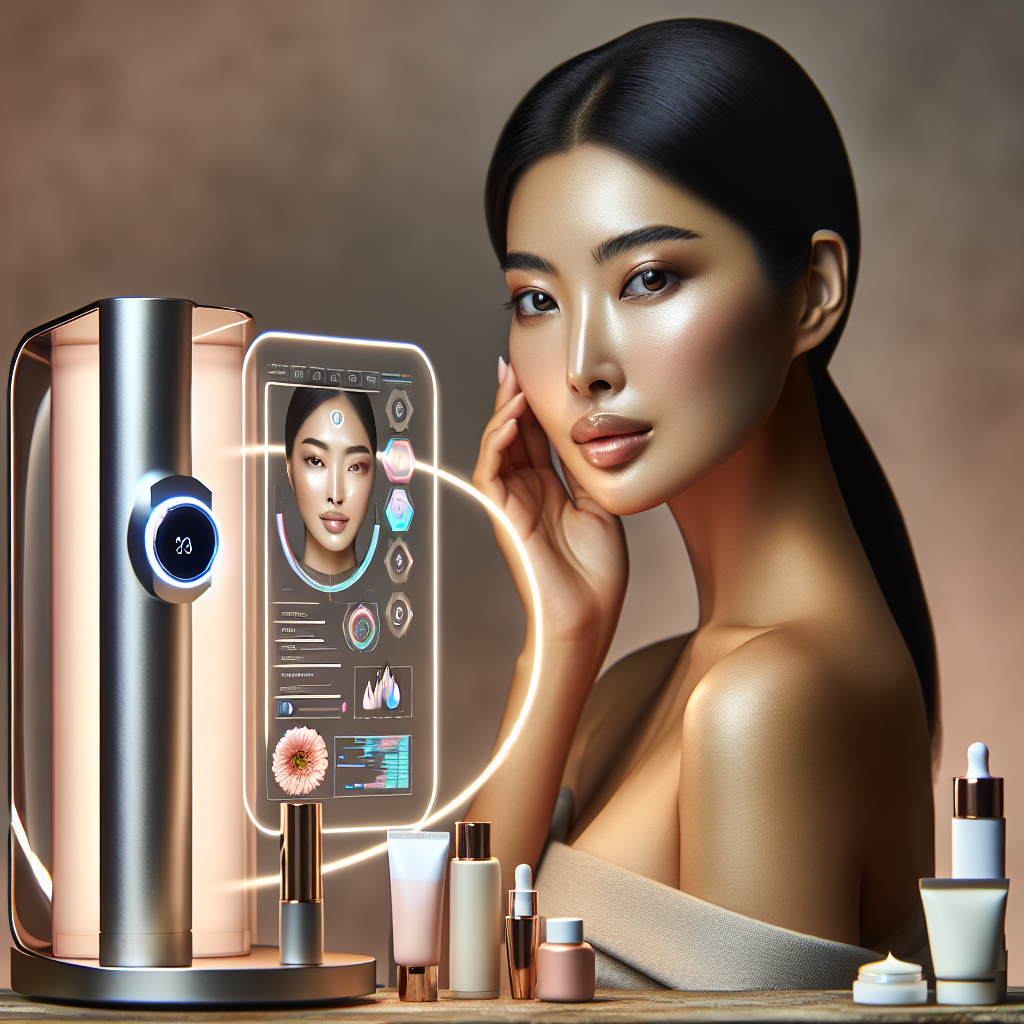
How AI is Revolutionizing Skin Analysis
In an era where technology is intertwined with our daily lives, the beauty industry is experiencing a significant transformation through the integration of artificial intelligence (AI) in skincare. Tools like Kivo.skin are leading the charge by offering precise, data-driven skin analysis that empowers both consumers and professionals in the beauty sector. As a privacy-first solution, Kivo.skin ensures that users can access personalized skincare insights without compromising their data. This blog post aims to elucidate how AI is making personalized skincare accessible and revolutionizing skin analysis for cosmetologists, dermatologists, and beauty business owners alike.
The Evolution of Skin Analysis
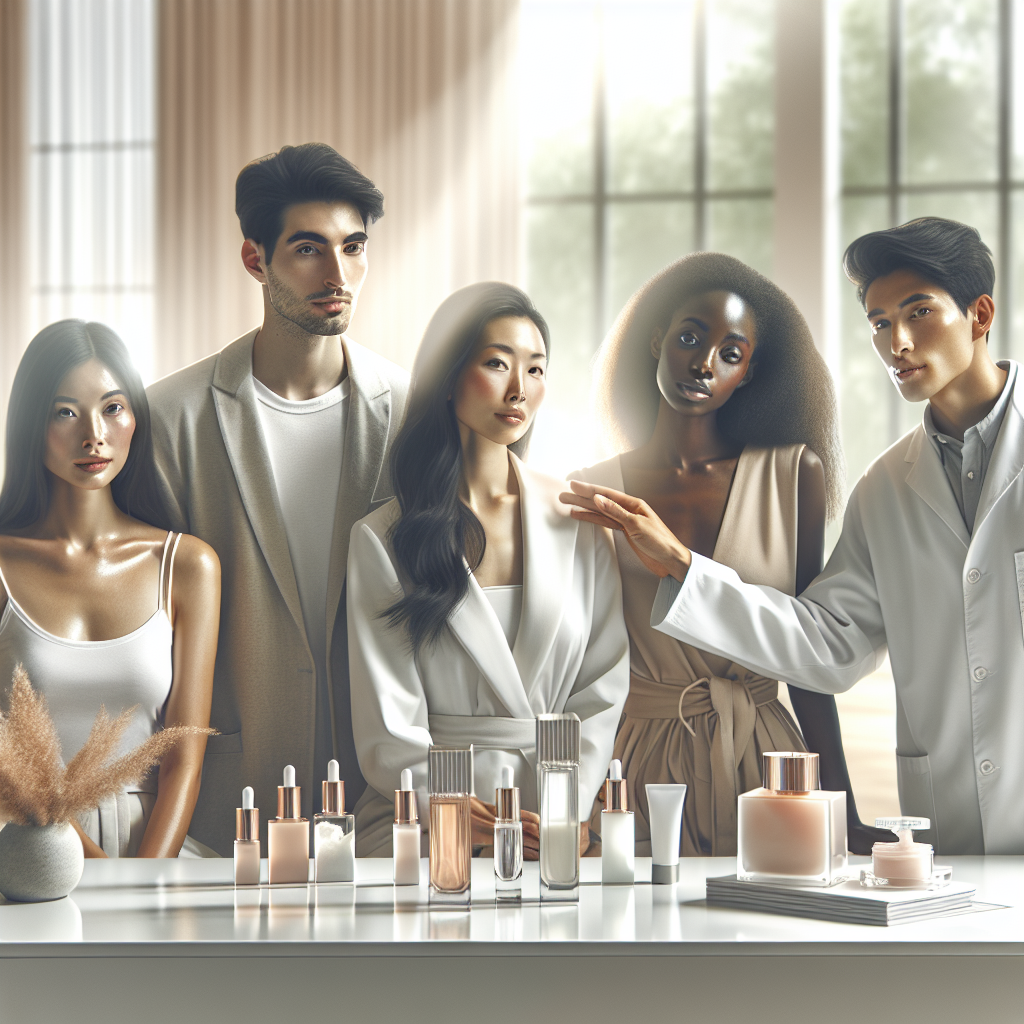
Traditionally, skin analysis relied on the expertise of trained professionals who would evaluate skin types and concerns based on visual assessments and anecdotal evidence. While this method has its merits, it is inherently subjective and often lacks the precision required for tailored skincare recommendations. The advent of AI in skin analysis has enabled a more objective and comprehensive approach.
Recent studies indicate that AI algorithms can analyze skin conditions with a level of accuracy comparable to dermatologists. For instance, research published in the Journal of Investigative Dermatology demonstrated that AI systems could identify skin lesions with over 90% accuracy, outperforming human experts in certain cases (Esteva et al., 2017). This level of precision not only enhances the quality of recommendations but also builds trust in the technology among users.
How Kivo.skin Enhances Personalized Skincare
💡 Before trying new products, know your skin. Get instant insights with Kivo.skin.
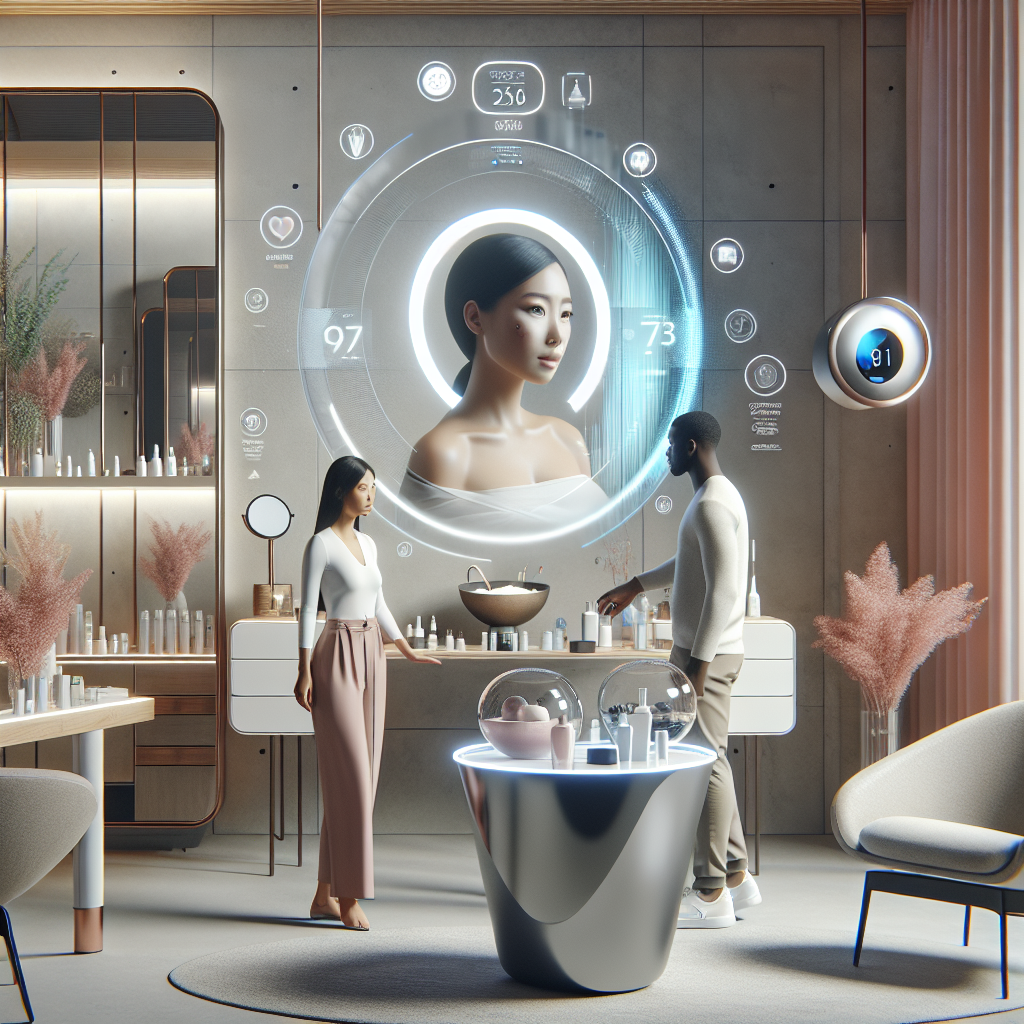
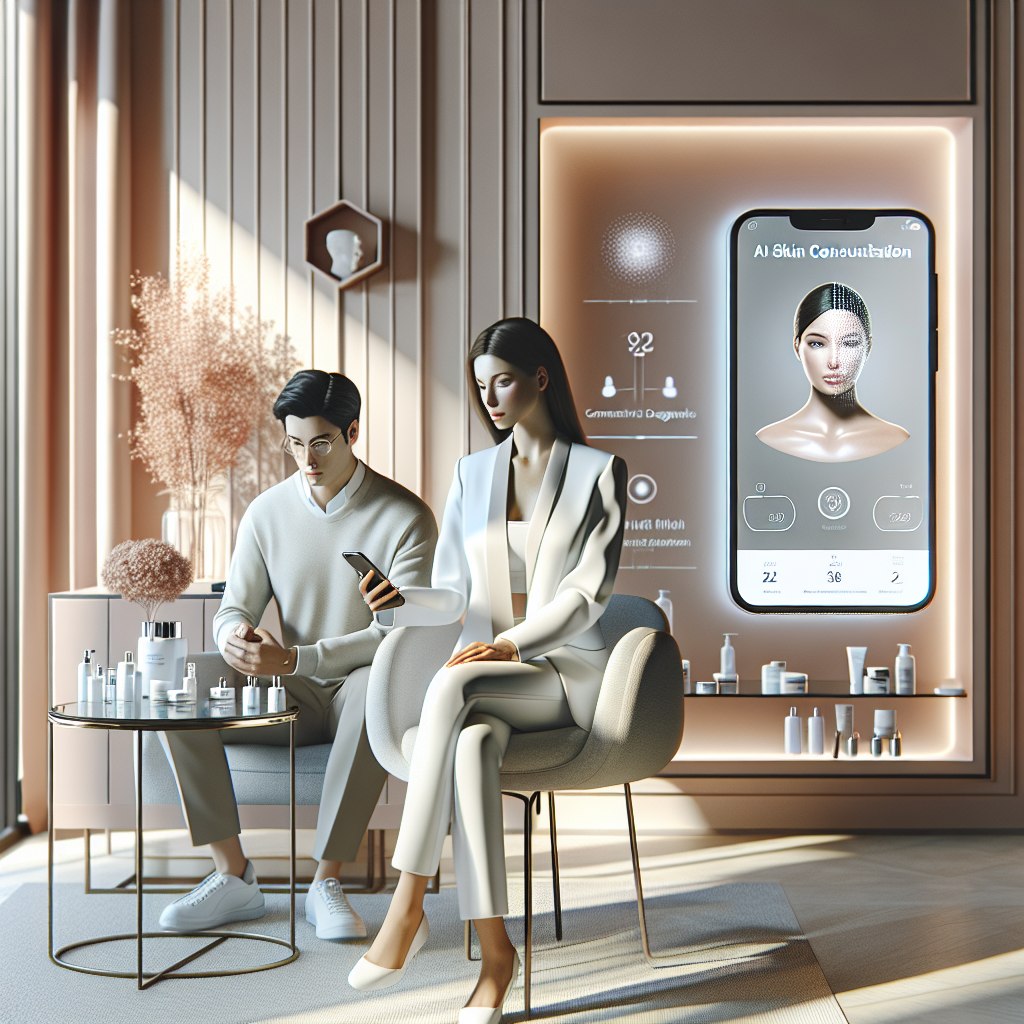
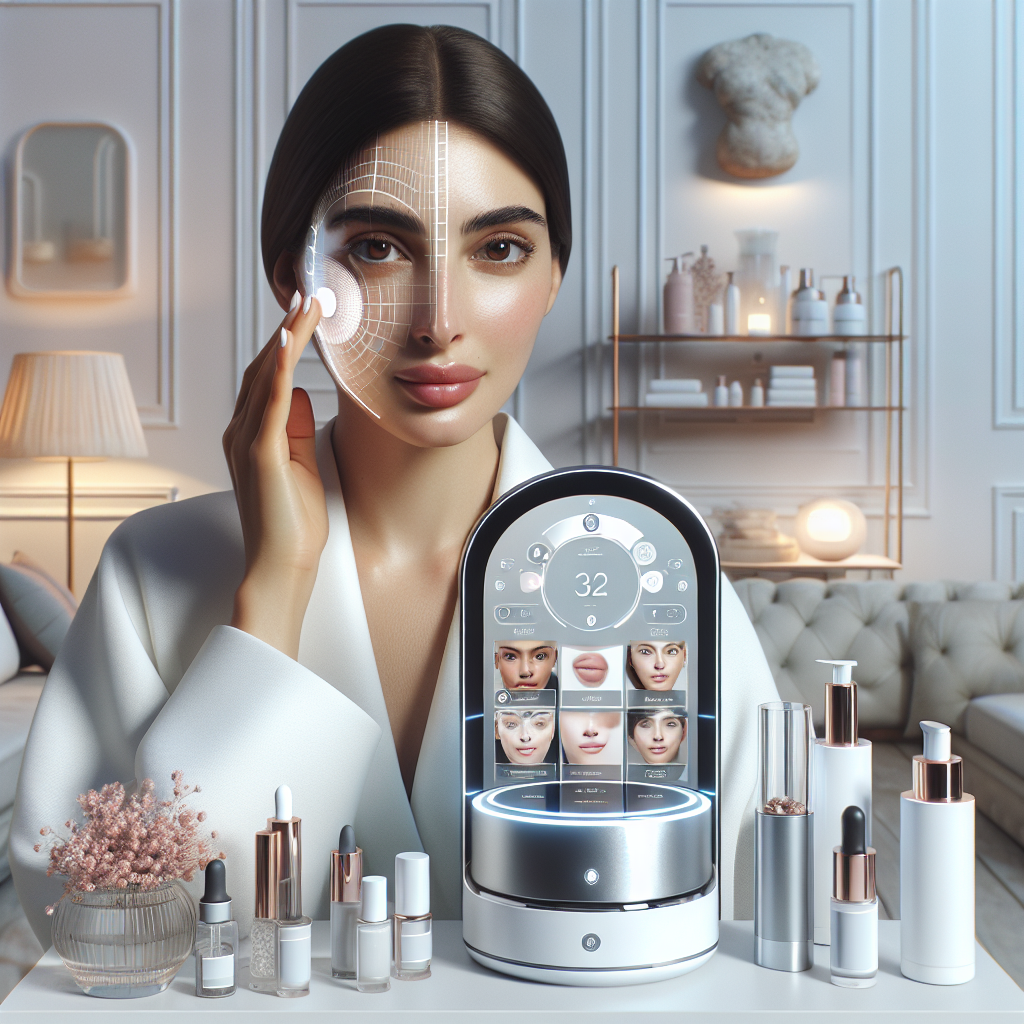
Kivo.skin utilizes advanced AI algorithms to provide instant insights into skin health, making personalized skincare more accessible than ever. By leveraging a simple scan, users can receive detailed analysis covering various aspects of their skin, including hydration levels, oiliness, texture, and potential concerns such as acne or hyperpigmentation.
Key Benefits of Kivo.skin
- Instant Results: Users can obtain immediate feedback on their skin condition, allowing for timely adjustments to their skincare routines.
- Data-Driven Recommendations: Kivo.skin's findings are backed by extensive research and data, ensuring that users receive evidence-based suggestions tailored to their unique skin profiles.
- Privacy-First Approach: With a commitment to data security, Kivo.skin prioritizes user privacy, ensuring that personal information is safeguarded throughout the analysis process.
The Science Behind AI Skin Analysis
The effectiveness of AI in skin analysis stems from its ability to process vast amounts of data quickly, identifying patterns and correlations that may not be visible to the human eye. For example, AI can analyze skin images for common issues such as wrinkles, fine lines, and pigmentation irregularities. This capability is particularly beneficial for beauty professionals seeking to refine their product offerings or develop targeted treatments.
Statistics on AI in Skincare
- According to a report by MarketsandMarkets, the global AI in the beauty and skincare market is expected to reach $7.3 billion by 2025, growing at a CAGR of 30.5%.
- A survey conducted by Cosmetics Business found that 68% of beauty professionals believe AI tools will significantly enhance their ability to provide personalized skincare solutions.
Implementing AI in Your Practice
For cosmetologists and dermatologists looking to integrate AI technology into their practices, consider the following checklist:
- Assess Your Needs: Determine what specific aspects of skin analysis you want to enhance with AI technology.
- Evaluate AI Tools: Research available AI skin analysis tools, such as Kivo.skin, to find one that aligns with your practice's goals and values.
- Train Your Staff: Ensure that your team understands how to utilize AI tools effectively to improve client consultations and treatment plans.
- Maintain Data Security: Prioritize tools that adhere to strict data privacy standards to protect your clients' personal information.
- Monitor Outcomes: Regularly evaluate the effectiveness of AI tools in your practice and adjust your approach based on client feedback and results.
Conclusion
The integration of AI in skin analysis represents a paradigm shift in how skincare is approached, making personalized solutions more accessible than ever. Tools like Kivo.skin not only enhance the precision of skin assessments but also empower both professionals and consumers with actionable insights. As the beauty industry continues to evolve, embracing AI technology will be crucial for staying ahead in the competitive landscape.
For those interested in exploring the transformative power of AI in skincare, consider leveraging Kivo.skin to elevate your practice and provide your clients with the personalized care they deserve.