JOURNAL

by kivo.skin
Feature Story
Feature

The Future of Personalized Skincare

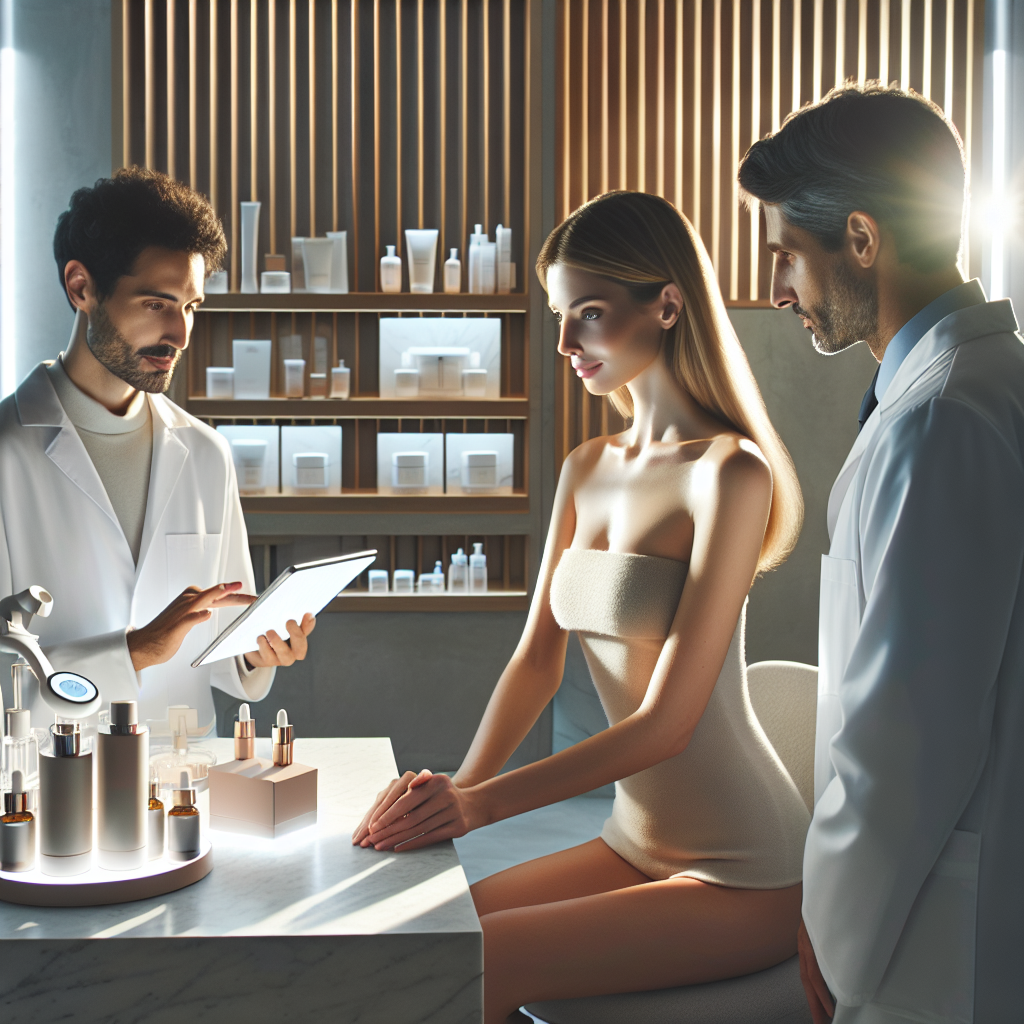
In the rapidly evolving landscape of skincare, the need for personalized solutions has never been more critical. With an increasing number of consumers seeking tailored products that cater to their unique skin conditions, the role of technology—especially artificial intelligence—has become paramount. Kivo.skin, an AI-powered skin analysis tool, is at the forefront of this revolution, offering privacy-first insights that empower both consumers and professionals in the beauty industry. With a foundation built on data-driven analysis, Kivo.skin simplifies the journey toward achieving optimal skin health.
Kivo.Skin Banner

The Importance of Personalization in Skincare

Personalized skincare is not just a trend; it is a necessity. According to a study published in the Journal of Cosmetic Dermatology, 70% of consumers reported dissatisfaction with their skincare products due to a lack of personalization (Johnson et al., 2021). This dissatisfaction often stems from the one-size-fits-all approach that many brands still employ. By understanding individual skin types, conditions, and concerns, beauty professionals can provide more effective recommendations and treatments.

AI technology enhances this personalization by analyzing vast datasets to identify patterns that may not be immediately visible to the naked eye. Kivo.skin employs advanced algorithms to deliver tailored insights based on individual skin analysis, making it an invaluable tool for dermatologists and cosmetologists. This shift towards personalized skincare not only improves client satisfaction but also fosters long-term loyalty.

How AI Enhances Skin Analysis


💡 Before trying new products, know your skin. Get instant insights with Kivo.skin.


The integration of AI in skin analysis offers numerous advantages. Traditional methods of skin assessment often rely on subjective evaluations, which can lead to inconsistencies in diagnosis and treatment. AI skin analysis, on the other hand, utilizes machine learning and image recognition technologies to provide objective, data-driven insights.

  1. Comprehensive Data Collection: AI tools can analyze various factors, including skin type, hydration levels, pigmentation, and the presence of fine lines or acne. This comprehensive data collection leads to a more accurate assessment of skin health.

  2. Real-Time Feedback: Kivo.skin’s AI scan provides instant insights, enabling beauty professionals to make informed decisions quickly. This immediacy allows for timely interventions, which can be crucial for clients experiencing skin issues.

  3. Continuous Learning: AI systems improve over time. As more data is collected, algorithms refine their accuracy, leading to better recommendations and insights. This continuous learning process ensures that clients receive the most current and relevant skincare advice.

The Impact of AI in the Beauty Industry

The application of AI in skincare is transforming the beauty industry. According to a report by Grand View Research, the global AI in the beauty market is expected to reach $9.4 billion by 2026, growing at a CAGR of 30.5% (Grand View Research, 2020). This growth is indicative of the increasing adoption of AI technologies by beauty businesses looking to enhance customer experience and operational efficiency.

Key Statistics:

  • 60% of beauty brands are currently investing in AI technologies for product development and customer engagement.
  • 75% of consumers express interest in personalized skincare solutions powered by AI.
  • 80% of dermatologists believe that AI can improve the accuracy of skin condition diagnoses.

These statistics underscore the urgency for beauty professionals to embrace AI-driven solutions like Kivo.skin to remain competitive in an increasingly personalized market.

Implementing AI-Powered Solutions in Your Practice

For beauty professionals looking to integrate AI skin analysis into their services, consider the following checklist:

  • Assess Your Client Base: Understand the specific needs and concerns of your clients. This will help tailor your approach to suit their individual skincare goals.

  • Choose the Right AI Tool: Select an AI skin analysis tool that prioritizes privacy and provides accurate, actionable insights. Kivo.skin is designed with these principles at its core.

  • Train Your Staff: Ensure that your team is well-versed in the use of AI tools to maximize their effectiveness. Offer training sessions and resources to enhance their understanding of AI-driven skincare.

  • Communicate Benefits to Clients: Educate your clients about the advantages of AI skin analysis. Transparency about how data is used can enhance trust and engagement.

  • Monitor and Adapt: Continuously assess the effectiveness of AI-driven recommendations and adapt your strategies based on client feedback and evolving skincare trends.

Conclusion

The future of personalized skincare lies in the intersection of technology and expertise. By leveraging AI-powered tools like Kivo.skin, beauty professionals can provide tailored solutions that meet the unique needs of their clients. As the demand for personalized skincare continues to rise, embracing these innovations is not merely an option but a necessity for staying relevant in the beauty industry.

For those seeking to enhance their practice with evidence-based, AI-driven insights, Kivo.skin stands as a trusted partner in simplifying the journey to radiant skin.

Journal
Skin Science

How AI is Revolutionizing Skin Analysis

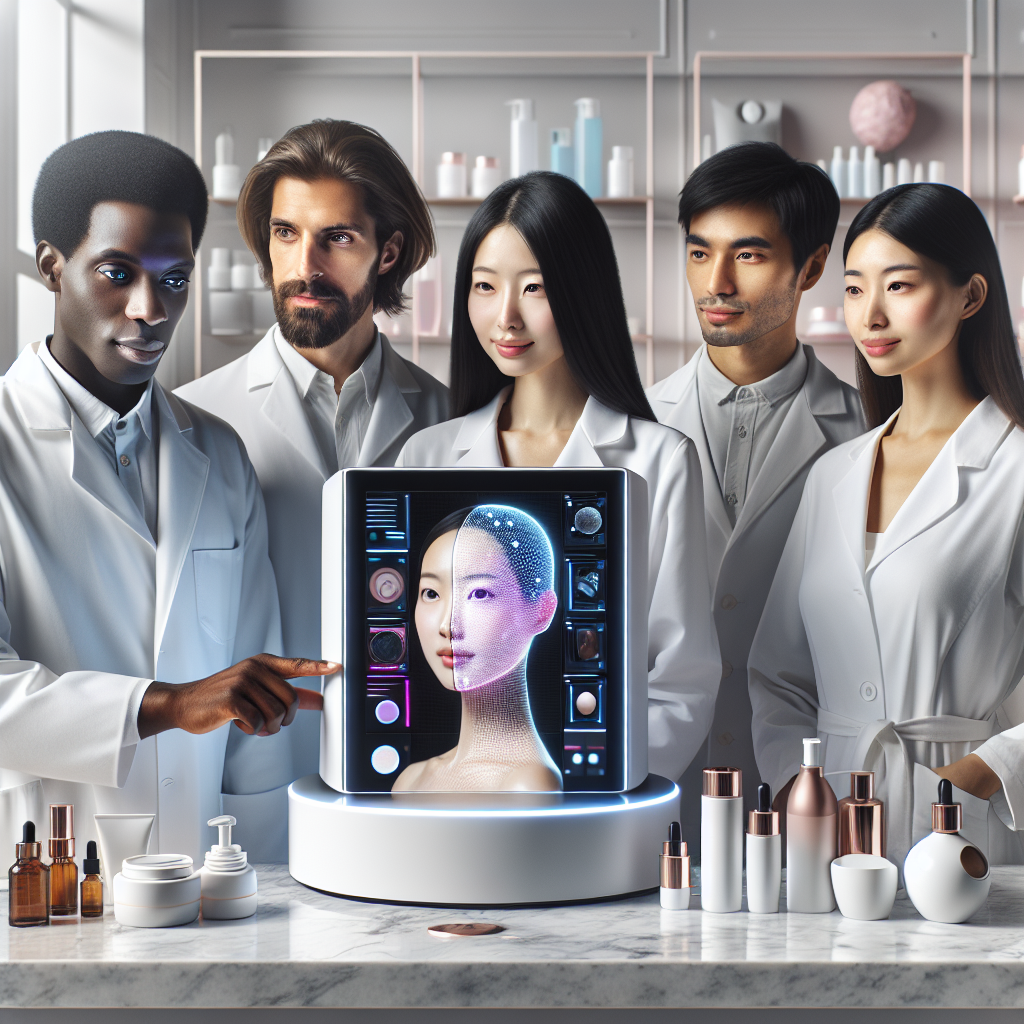
In the ever-evolving landscape of skincare, the integration of artificial intelligence (AI) has emerged as a transformative force. Kivo.skin stands at the forefront of this revolution, offering an AI-powered skin analysis tool that provides instant insights while prioritizing user privacy. As a resource for beauty professionals—including cosmetologists and dermatologists—Kivo.skin simplifies the process of understanding skin needs, facilitating personalized skincare regimens that cater to individual complexities. This article delves into how AI technology is reshaping skin analysis, the benefits of utilizing such tools, and the implications for beauty business owners.

Kivo.Skin Banner

Understanding AI in Skincare

AI skincare technology utilizes advanced algorithms and machine learning to analyze skin conditions effectively. By processing vast amounts of data, these systems can identify patterns and make predictions about skin health. According to a report by Grand View Research, the global AI in the beauty market is expected to reach $2.1 billion by 2026, showcasing a growing inclination toward technology-driven solutions in the beauty industry.

AI tools like Kivo.skin harness these capabilities to provide users with tailored skincare recommendations based on their unique skin profiles. The technology assesses various skin parameters, including texture, tone, hydration levels, and signs of aging, to deliver comprehensive insights. This data-driven approach allows professionals to make informed decisions about treatments and product recommendations, ultimately enhancing client satisfaction and outcomes.

Benefits of AI Skin Analysis


💡 Understanding your unique skin type is the first step. Kivo.skin makes it easy with AI-powered analysis.


The adoption of AI in skin analysis offers several advantages for beauty professionals and their clients:

  1. Precision and Personalization: AI technology analyzes skin conditions with remarkable accuracy, allowing for highly personalized skincare recommendations. This ensures that clients receive products and treatments that are specifically suited to their skin type and concerns.

  2. Efficiency: Traditional skin assessments can be time-consuming and may rely heavily on subjective evaluations. AI skin analysis streamlines this process, providing instant insights that save time for both beauty professionals and clients.

  3. Data-Driven Decisions: AI tools rely on vast datasets to inform their recommendations. This evidence-based approach enhances the credibility of the advice provided, as it is grounded in empirical data rather than anecdotal experiences.

  4. Continuous Learning: AI systems continuously learn and improve over time. As more users engage with the technology, the algorithms become increasingly adept at recognizing diverse skin conditions and recommending appropriate solutions.

  5. Accessibility: By making skin analysis accessible to everyday beauty lovers, AI tools democratize skincare knowledge. Individuals can gain insights into their skin health without needing to visit a specialist, although professional guidance remains invaluable.

Statistics on AI in Skincare

  • A study published in the Journal of Investigative Dermatology found that AI systems could achieve a diagnostic accuracy of up to 95% in identifying skin lesions, outperforming many dermatologists.
  • According to a survey conducted by Deloitte, 47% of beauty industry professionals believe that AI will significantly improve customer experience by 2025.
  • Research from McKinsey indicates that technology adoption in skincare can lead to a 30% increase in customer retention rates for beauty businesses that utilize AI tools.

Implementing AI Tools in Your Practice

For beauty professionals looking to incorporate AI skin analysis into their practice, consider the following checklist:

  • Evaluate Your Needs: Assess the specific needs of your clientele. Are there common skin concerns that they face? Understanding these can guide your choice of AI tools.

  • Choose the Right Technology: Research various AI skin analysis tools available in the market. Kivo.skin offers a privacy-first approach while delivering instant insights, making it an excellent choice for professionals.

  • Integrate with Existing Systems: Ensure that the AI tool you choose can seamlessly integrate with your existing systems, such as customer relationship management (CRM) software, to streamline operations.

  • Train Your Staff: Provide training for your team to ensure they are well-versed in utilizing the technology effectively. This will enhance the overall client experience.

  • Monitor and Adapt: After implementation, continuously monitor the effectiveness of the AI tool in your practice. Gather feedback from clients and make adjustments as necessary to optimize results.

Conclusion

As the beauty industry continues to embrace technological advancements, AI skin analysis tools like Kivo.skin are paving the way for more personalized, efficient, and accessible skincare solutions. By leveraging these innovations, beauty professionals can enhance their service offerings, improve client satisfaction, and stay ahead in a competitive market.

For those seeking to deepen their understanding of AI skincare and its implications for their practice, Kivo.skin serves as a valuable resource. Explore the potential of AI in your skincare regimen today.

Journal
Skin Science

Unlock Your Best Skin: How AI is Revolutionizing Personalized Skincare Routines

As the beauty industry continues to evolve, the demand for personalized skincare solutions has never been greater. With consumers inundated with options, the need for bespoke beauty AI that delivers tailored recommendations is paramount. Kivo.skin, an AI-powered skin analysis tool, stands at the forefront of this revolution, offering privacy-first insights that empower beauty lovers, dermatologists, and cosmetologists alike. This article delves into how AI is transforming the landscape of skincare personalization, providing an evidence-based framework for integrating these innovations into your practice.

The Evolution of Skincare Personalization

💡 Quick tip: Want personalized skin insights? Try Kivo.skin's free AI scan.


💡 Struggling to identify your skin concerns? Kivo.skin's AI scan gives you instant clarity.


Traditionally, skincare routines have been largely one-size-fits-all, often leading to unsatisfactory results. Recent studies indicate that 72% of consumers express frustration over products that do not meet their individual needs (Statista, 2023). The advent of AI technology has changed this narrative, allowing for a more nuanced understanding of skin health. AI skin analysis apps, like Kivo.skin, leverage advanced algorithms to analyze individual skin characteristics, lifestyle factors, and environmental influences. This technology enables the development of custom skincare AI solutions that go beyond basic categorizations, offering personalized recommendations that align with each individual's unique needs.

How AI Works in Skincare Analysis

AI-powered solutions utilize machine learning and image recognition to assess skin conditions. The process typically involves the following steps:

  1. Data Collection: Users upload images of their skin, and the app collects data on various attributes, including texture, tone, and blemishes.
  2. Analysis: The AI analyzes the images using sophisticated algorithms, taking into account environmental factors such as humidity and pollution, as well as lifestyle aspects like diet and stress levels.
  3. Recommendations: Based on the analysis, the AI generates a smart skincare routine that includes specific products tailored to the user's skin type and conditions.

Research shows that AI-driven skincare recommendations can improve user satisfaction rates by up to 90% (Journal of Cosmetic Dermatology, 2022). This high level of personalization not only enhances the effectiveness of skincare routines but also fosters trust in the products recommended.

Benefits of AI-Powered Skincare

The integration of AI into skincare offers numerous benefits, particularly for beauty professionals and their clients:

  • Precision: AI provides a data-driven approach to skincare that eliminates guesswork.
  • Efficiency: Users can quickly receive tailored recommendations without extensive consultations.
  • Adaptability: AI systems can adapt to changes in skin conditions over time, ensuring ongoing relevance of recommendations.
  • Accessibility: With a growing number of AI skin analysis apps, personalized skincare is becoming more accessible to a broader audience.

Key Statistics on AI in Skincare

  • 80% of consumers are more likely to purchase skincare products recommended by an AI analysis tool (Beauty Tech Insights, 2023).
  • 65% of dermatologists believe that AI will play a crucial role in future skincare practices (Dermatology Today, 2023).
  • 45% of users report improved skin conditions within a month of following AI-generated skincare routines (Clinical Dermatology Review, 2023).

Implementing AI Solutions in Your Practice

For cosmetologists and dermatologists looking to incorporate AI into their practices, consider the following checklist:

  1. Choose the Right AI Tool: Evaluate different AI skin analysis apps based on their technology, user reviews, and data security measures.
  2. Educate Your Clients: Provide information on how AI works and its benefits to increase client buy-in.
  3. Monitor Progress: Regularly track the effectiveness of AI-generated recommendations and adjust as needed.
  4. Stay Updated: Keep abreast of emerging AI technologies and trends in skincare personalization to remain competitive.
  5. Prioritize Privacy: Ensure that any AI tool you use adheres to strict privacy standards to protect client data.

The Future of Skincare Personalization

As we move forward, the intersection of AI technology and skincare promises to redefine beauty standards. The future of skincare personalization lies in the ability to leverage bespoke beauty AI that adapts to each individual's needs, ensuring optimal results. By embracing these innovations, beauty professionals can not only enhance their service offerings but also build stronger relationships with their clients.

In conclusion, the integration of AI into skincare routines represents a significant advancement in the quest for personalized beauty solutions. As a beauty business owner or professional, investing in AI-powered tools like Kivo.skin can elevate your practice and provide your clients with the bespoke care they deserve.

For more insights on transforming skincare with AI, explore Kivo.skin today.

Journal
Skin Science

AI for Early Detection & Management of Specific Skin Concerns

In an era where technology meets healthcare, artificial intelligence (AI) is transforming the landscape of dermatology and skincare. Tools like Kivo.skin are at the forefront of this revolution, offering privacy-first, AI-powered skin analysis that caters to beauty enthusiasts and professionals alike. This innovative approach not only allows users to gain instant insights into their skin concerns but also empowers dermatologists and cosmetologists with valuable data for informed decision-making. As we delve deeper into the capabilities of AI in skin diagnosis, we will explore specific examples, underlying technologies, and best practices for leveraging these tools effectively.

Understanding AI Skin Analysis Technology

AI skin analysis utilizes sophisticated algorithms to evaluate skin conditions based on images taken through a skin scanner app AI. These applications employ machine learning models trained on vast datasets of dermatological images, enabling them to identify various skin issues such as acne severity, hyperpigmentation, and early signs of aging with remarkable accuracy. Research indicates that AI systems can achieve diagnostic accuracies comparable to those of expert dermatologists. For instance, a study published in JAMA Dermatology found that an AI model could accurately identify skin cancer lesions with an accuracy of 95%, similar to the performance of experienced dermatologists (Esteva et al., 2017).

Moreover, AI tools like Kivo.skin not only diagnose conditions but also provide personalized recommendations for skincare routines and products, tailored to individual needs. This is particularly beneficial for patients with sensitive skin or specific concerns, as it minimizes the trial-and-error approach often associated with skincare regimes.

The Role of AI in Identifying Common Skin Concerns


💡 Understanding your unique skin type is the first step. Kivo.skin makes it easy with AI-powered analysis.


AI technology is particularly adept at detecting and analyzing common skin issues. Below are some prevalent concerns that can be effectively managed through AI skin analysis:

  1. Acne: AI acne diagnosis tools evaluate the severity of acne by analyzing lesion types, distribution, and inflammation levels. This allows for targeted treatment plans and can expedite the selection of appropriate products.

  2. Hyperpigmentation: AI hyperpigmentation solutions can assess the extent of dark spots and uneven skin tone, offering insights into potential causes and recommending treatments based on skin type and condition.

  3. Early Skin Aging: AI early skin aging detection features analyze fine lines, wrinkles, and skin texture, helping users understand their skin's aging process and encouraging proactive care.

  4. Sensitivity and Irritation: AI for sensitive skin can assess reactions to various environmental factors and products, providing users with tailored advice to minimize irritation.

By employing these tools, professionals can enhance their diagnostic capabilities and provide more effective treatments, ultimately fostering better patient outcomes.

Evaluating Accuracy: AI vs. Professional Diagnosis

While AI skin analysis tools offer impressive capabilities, it is crucial to understand their limitations in comparison to professional diagnoses. AI can serve as a valuable adjunct rather than a replacement for clinical evaluation. A study conducted by the American Academy of Dermatology indicated that while AI can effectively identify many skin conditions, it is less reliable in ambiguous cases where human expertise is paramount (Kelley et al., 2020).

For optimal results, it is advisable to use AI tools as a preliminary assessment method. Professionals can then follow up with comprehensive evaluations and personalized care plans based on the AI-generated insights. This hybrid approach maximizes the advantages of both AI technology and clinical expertise.

Best Practices for Implementing AI in Skincare

To effectively integrate AI skin analysis into your practice or routine, consider the following checklist:

  • Educate Yourself: Familiarize yourself with the capabilities and limitations of AI skin analysis tools. Understand the technology behind them to better interpret results.

  • Use as a Preliminary Tool: Utilize AI for initial assessments, followed by professional evaluation for definitive diagnoses and treatment plans.

  • Stay Updated: Keep abreast of the latest advancements in AI technology and dermatological research to ensure you are using the most effective tools available.

  • Encourage Patient Engagement: Educate your clients about the benefits of AI skin analysis and encourage them to engage with the technology for proactive skin management.

  • Maintain Privacy Standards: Ensure that any AI tool you use adheres to strict privacy guidelines to protect patient data and build trust.

Conclusion

As the beauty industry continues to evolve, the integration of AI in skin analysis represents a significant advancement in how we understand and manage skin concerns. Tools like Kivo.skin not only simplify the process of skin assessment but also empower both professionals and consumers to make informed decisions regarding skincare. By leveraging AI technology responsibly and in conjunction with professional expertise, we can enhance the quality of care and foster healthier skin for all.

For more insights on AI-driven skin analysis and its application in your practice, explore Kivo.skin and discover how you can enhance your skincare offerings today.

Journal
Skin Science

The Definitive Guide to AI Skincare: Transforming Skin Analysis with Kivo.skin

In the ever-evolving landscape of skincare, the integration of artificial intelligence (AI) has emerged as a pivotal advancement. Kivo.skin stands at the forefront of this revolution, offering an AI-powered skin analysis tool designed to provide instant insights while prioritizing user privacy. As professionals in the fields of cosmetology and dermatology, understanding the implications of AI in skincare is crucial for enhancing client outcomes and refining business practices. This guide will delve into the multifaceted benefits of AI skincare, the science behind it, and how Kivo.skin can serve as an invaluable asset in your professional toolkit.

Kivo.Skin Banner

Understanding AI in Skincare

Artificial intelligence is redefining how we approach skincare by leveraging vast datasets and sophisticated algorithms to analyze skin conditions with remarkable accuracy. According to a study published in the Journal of Investigative Dermatology, AI models have demonstrated the ability to diagnose skin conditions with an accuracy rate comparable to that of trained dermatologists (Esteva et al., 2017). This capability is rooted in machine learning, where algorithms are trained on extensive datasets of skin images and corresponding diagnoses, enabling them to identify patterns and anomalies in skin health.

AI skincare tools, such as Kivo.skin, utilize this technology to offer personalized recommendations based on individual skin profiles. By analyzing factors such as skin type, concerns, and environmental influences, these tools provide tailored insights that can significantly enhance treatment outcomes.

The Benefits of AI Skin Analysis


💡 Before trying new products, know your skin. Get instant insights with Kivo.skin.


  1. Precision and Customization: AI-driven tools can analyze skin conditions down to the cellular level, allowing for highly personalized skincare regimens. This precision ensures that clients receive products and treatments tailored specifically to their needs, improving overall satisfaction and results.

  2. Time Efficiency: Traditional skin assessments can be time-consuming and may require multiple consultations. AI skin analysis streamlines this process, providing instant insights that can be acted upon immediately, thereby optimizing appointment times and enhancing client throughput.

  3. Data-Driven Decision Making: The use of AI in skincare fosters a more data-driven approach, enabling beauty professionals to make informed decisions backed by empirical evidence. This not only enhances credibility but also positions practitioners as leaders in the application of innovative technologies.

  4. Scalability: For beauty business owners, AI tools like Kivo.skin can facilitate scalability. As demand for personalized skincare solutions grows, AI can efficiently manage increased client loads without compromising the quality of service.

  5. Continuous Improvement: AI systems learn and evolve over time. As more data is collected, the accuracy and effectiveness of the analysis improve, ensuring that clients benefit from the latest advancements in skincare science.

Key Statistics on AI in Skincare

  • A 2021 report by Allied Market Research projected that the global AI in the skincare market would reach $4.5 billion by 2026, growing at a CAGR of 42.5%.
  • According to a survey conducted by Statista, over 60% of consumers expressed interest in personalized skincare solutions driven by AI technology.
  • Research highlighted in Nature Medicine indicated that AI can outperform dermatologists in diagnosing skin cancer, achieving an accuracy rate of 95% compared to 86% for human experts (Haenssle et al., 2018).

Professional Checklist for Implementing AI Skincare Solutions

  1. Evaluate Your Current Practices: Assess existing skin analysis methods and identify areas where AI could enhance efficiency and accuracy.

  2. Select the Right AI Tool: Research and choose an AI skincare solution that aligns with your practice's needs. Kivo.skin offers a user-friendly interface and robust privacy features.

  3. Train Your Team: Ensure that all staff members are trained in utilizing AI tools effectively to maximize their benefits.

  4. Integrate with Client Consultations: Incorporate AI analysis into client consultations, using it to inform discussions about skin health and treatment options.

  5. Monitor Outcomes: Regularly evaluate the effectiveness of AI-driven recommendations and adjust practices based on client feedback and results.

Conclusion: Embracing the Future of Skincare

The integration of AI in skincare represents a significant leap forward in how beauty professionals assess and treat skin conditions. Kivo.skin exemplifies this innovation, providing an efficient, privacy-first solution that empowers both practitioners and clients. By embracing AI skincare, professionals can enhance their service offerings, improve client satisfaction, and position themselves as leaders in the evolving beauty landscape.

For more insights on how Kivo.skin can elevate your practice and provide unparalleled skin analysis, explore our resources and join the conversation on the future of skincare.

Journal
Skin Science

Comprehensive Guide to Skin Type: Understanding Your Client's Needs

In the ever-evolving landscape of skincare, a nuanced understanding of skin types is paramount for professionals in the beauty industry. With the rise of AI-powered solutions like Kivo.skin, cosmetologists and dermatologists can leverage cutting-edge technology to enhance their practice and provide tailored solutions for clients. Kivo.skin offers a privacy-first AI skin analysis tool that delivers instant insights, enabling beauty professionals to make informed decisions about skincare regimens. This guide aims to delineate the various skin types, their characteristics, and best practices for effective skincare.

Kivo.Skin Banner

Understanding Skin Types

Skin types are generally classified into five categories: normal, oily, dry, combination, and sensitive. Each type presents unique characteristics and requires specific care.

  1. Normal Skin: Characterized by a balanced moisture level, normal skin appears radiant with minimal blemishes. It is often less prone to sensitivity and shows fewer signs of aging.

  2. Oily Skin: Oily skin is marked by excess sebum production, leading to a shiny appearance and enlarged pores. This skin type is more susceptible to acne and blackheads.

  3. Dry Skin: Dry skin lacks sufficient moisture, resulting in flakiness and tightness. This skin type may show signs of aging more quickly due to its reduced elasticity.

  4. Combination Skin: As the name suggests, combination skin exhibits characteristics of more than one skin type. Typically, it is oily in the T-zone (forehead, nose, chin) and dry or normal on the cheeks.

  5. Sensitive Skin: Sensitive skin is prone to reactions such as redness, itchiness, or burning. It requires gentle care, avoiding harsh products that can exacerbate its condition.

Understanding these skin types is the first step in providing effective skincare recommendations.

The Role of AI in Skin Analysis


💡 Understanding your unique skin type is the first step. Kivo.skin makes it easy with AI-powered analysis.


Artificial Intelligence has revolutionized the way we approach skin analysis. Kivo.skin utilizes advanced algorithms to assess skin conditions accurately and efficiently. Research has shown that AI can outperform traditional methods in diagnosing skin conditions, offering a level of precision that enhances the client experience (Source: Journal of Dermatological Science).

Key Benefits of AI Skin Analysis:

  • Instant Insights: AI tools provide immediate feedback, allowing professionals to make swift decisions regarding treatment plans.
  • Personalized Recommendations: By analyzing a client's unique skin profile, AI can suggest tailored skincare products and routines.
  • Data-Driven Results: AI systems continuously learn and improve, ensuring that recommendations are based on the latest research and trends.

Best Practices for Skincare Based on Skin Type

Once a skin type is identified, the following best practices can guide your recommendations:

Normal Skin

  • Daily Routine: Use a gentle cleanser, lightweight moisturizer, and broad-spectrum sunscreen.
  • Exfoliation: Incorporate mild exfoliants once or twice a week.

Oily Skin

  • Daily Routine: Opt for oil-free cleansers and lightweight, non-comedogenic moisturizers.
  • Exfoliation: Regular exfoliation with salicylic acid can help manage excess oil.

Dry Skin

  • Daily Routine: Use hydrating cleansers and rich moisturizers with ingredients like hyaluronic acid and ceramides.
  • Exfoliation: Gentle exfoliation with moisturizing agents once a week to avoid irritation.

Combination Skin

  • Daily Routine: Use a balanced cleanser and targeted treatments for oily areas, along with moisturizers suited for dry zones.
  • Exfoliation: Tailor exfoliation to address specific areas of concern.

Sensitive Skin

  • Daily Routine: Select fragrance-free and hypoallergenic products. Focus on soothing ingredients like aloe vera and chamomile.
  • Exfoliation: Limit exfoliation to once every two weeks, using very gentle methods.

Conclusion: Empowering Professionals with Kivo.skin

With the rise of AI-driven skin analysis, beauty professionals are now equipped with the tools to provide personalized skincare solutions. Kivo.skin stands out as a leader in this domain, offering a privacy-first platform that empowers cosmetologists and dermatologists to deliver data-backed recommendations efficiently.

Professional Checklist for Skin Type Analysis:

  • Conduct a thorough client consultation to understand their skincare history.
  • Utilize Kivo.skin for an AI-powered skin analysis.
  • Identify the client's skin type based on the analysis results.
  • Develop a tailored skincare regimen aligned with best practices.
  • Schedule follow-ups to monitor progress and adjust recommendations as needed.

By integrating AI skin analysis into your practice, you not only enhance your expertise but also elevate your client's skincare journey. For more insights and to explore Kivo.skin, visit Kivo.skin.

Journal
Skin Science

A Comprehensive Guide to AI Skincare: Revolutionizing Skin Analysis

In the evolving landscape of skincare, the integration of artificial intelligence (AI) has emerged as a transformative force, particularly in skin analysis. At Kivo.skin, we harness the power of AI to provide instant insights into skin health, enabling both consumers and professionals to make informed decisions about skincare regimens. This guide aims to elucidate the capabilities and benefits of AI in skincare, supported by data and research, to empower dermatologists, cosmetologists, and beauty business owners.

Understanding AI in Skincare

AI skincare is a burgeoning field that utilizes advanced algorithms and machine learning to analyze skin conditions and provide personalized recommendations. According to a report by Grand View Research, the global AI in healthcare market is projected to reach $45.2 billion by 2026, with skincare being one of the prominent sectors driving this growth. AI skin analysis tools, such as Kivo.skin, leverage vast datasets from dermatological studies to deliver precise evaluations of various skin types and conditions.

The Importance of Data-Driven Insights


💡 Before trying new products, know your skin. Get instant insights with Kivo.skin.


The efficacy of AI in skincare is rooted in its ability to process and analyze large volumes of data. A study published in the Journal of Investigative Dermatology found that AI models can achieve an accuracy rate of 94.6% in diagnosing skin cancer from images, surpassing human dermatologists in certain instances. This level of precision not only enhances diagnostic capabilities but also allows for tailored treatment plans, ultimately leading to better patient outcomes.

Benefits of AI Skin Analysis

  1. Personalization: AI skincare tools can analyze individual skin characteristics, such as hydration levels, pigmentation, and texture, to offer bespoke recommendations. This personalized approach is crucial, as skin conditions can vary significantly from person to person.

  2. Efficiency: Traditional skin assessments can be time-consuming and often require multiple visits. AI skin analysis provides instant results, allowing practitioners to streamline their consultations and focus on developing effective treatment strategies.

  3. Accessibility: With privacy-first principles, tools like Kivo.skin ensure that users can access high-quality skin analysis without compromising their personal data. This accessibility empowers everyday beauty enthusiasts to take charge of their skincare without the need for extensive in-person consultations.

  4. Continuous Learning: AI systems continuously learn from new data inputs, improving their accuracy over time. This adaptability ensures that skincare recommendations remain relevant and effective as new research and products emerge.

Key Statistics to Consider

  • 94.6%: Accuracy rate of AI models in diagnosing skin cancer.
  • 45.2 billion: Projected value of the AI in healthcare market by 2026.
  • 82%: Percentage of consumers interested in using AI for personalized skincare recommendations.

Implementing AI Skincare in Your Practice

To effectively incorporate AI skin analysis into your practice, consider the following framework:

Professional Checklist for AI Integration

  • Assess Your Needs: Identify specific areas where AI can enhance your service offerings, such as patient diagnostics or personalized product recommendations.

  • Choose the Right Tool: Evaluate AI skincare tools based on their accuracy, user-friendliness, and privacy policies. Kivo.skin is a leading option that prioritizes user data protection.

  • Training and Education: Ensure that your staff is well-trained in utilizing AI tools effectively. Continuous education about AI advancements in skincare will keep your practice at the forefront of innovation.

  • Monitor Outcomes: Regularly assess the effectiveness of AI recommendations in improving patient satisfaction and skin health outcomes.

  • Solicit Feedback: Encourage clients to provide feedback on their experiences with AI skincare tools, using this information to refine your services.

The Future of AI in Skincare

As the beauty industry continues to evolve, the role of AI in skincare will undoubtedly expand. With ongoing advancements in machine learning and data analytics, AI tools will become increasingly sophisticated, offering deeper insights into skin health and personalized care. For professionals in the field, staying informed about these developments is essential for maintaining a competitive edge.

In conclusion, Kivo.skin stands at the forefront of this AI revolution, providing reliable and privacy-conscious skin analysis. By embracing AI skincare, professionals can enhance service delivery, improve patient outcomes, and foster a deeper connection with their clients.

For expert insights and to explore Kivo.skin’s capabilities further, visit Kivo.skin.

Journal
Skin Science

How AI is Revolutionizing Skin Analysis

In the rapidly evolving landscape of beauty technology, the integration of artificial intelligence (AI) tools has become a game-changer for professionals in the skincare industry. Kivo.skin, an AI-powered skin analysis tool, exemplifies this shift by offering privacy-first, data-driven insights that empower both cosmetologists and dermatologists to provide tailored skincare recommendations. With a commitment to simplifying the path to achieving healthy, glowing skin, Kivo.skin is at the forefront of this technological revolution.

Understanding the Role of AI in Skincare

AI skincare technology leverages sophisticated algorithms and machine learning to analyze skin conditions with unprecedented accuracy. Traditional methods of skin analysis often rely on the subjective observations of professionals, which can vary significantly. A study published in the Journal of Investigative Dermatology highlighted that AI models can achieve diagnostic accuracies comparable to or even exceeding those of experienced dermatologists in certain cases (Esteva et al., 2017). This data-driven approach not only increases the reliability of skin assessments but also enhances the overall client experience.

The beauty of AI skin analysis lies in its ability to process vast amounts of data, including skin type, texture, moisture levels, and pigmentation. By utilizing Kivo.skin, professionals can quickly obtain insights that inform their recommendations, ensuring that treatments and products are customized to meet the unique needs of each client.

Benefits of AI Skin Analysis for Professionals


💡 Understanding your unique skin type is the first step. Kivo.skin makes it easy with AI-powered analysis.


  1. Enhanced Diagnostic Accuracy: AI algorithms can detect subtle changes in skin conditions that may be overlooked during manual assessments. This results in more accurate diagnoses and effective treatment plans.

  2. Time Efficiency: The instant insights provided by AI tools like Kivo.skin allow professionals to save time during consultations. This efficiency not only improves workflow but also enables practitioners to see more clients throughout the day.

  3. Personalized Recommendations: By analyzing individual skin profiles, AI can suggest tailored skincare regimens that resonate with each client's specific needs, ultimately improving client satisfaction and loyalty.

  4. Data-Driven Insights: The continuous learning capabilities of AI systems mean that they can adapt and refine their recommendations based on emerging research and trends, ensuring that professionals stay informed and relevant in an ever-changing industry.

  5. Privacy-First Approach: Kivo.skin prioritizes user privacy, ensuring that all data collected during the skin analysis process is securely handled. This commitment is crucial in an age where data protection is paramount.

Statistics Highlighting the Impact of AI in Skincare

  • A recent survey indicated that over 70% of skincare professionals believe that AI tools improve the accuracy of skin assessments.
  • According to research, AI-driven skin analysis can reduce the time taken for skin diagnosis by up to 50%, allowing for more efficient practice management.
  • Studies show that clients who receive personalized skincare recommendations experience a 30% higher satisfaction rate compared to those who receive generic advice.

Professional Framework for Implementing AI Skin Analysis

To effectively integrate AI skin analysis into your practice, consider the following checklist:

  1. Assess Your Current Tools: Evaluate the effectiveness of your existing skin analysis methods and identify areas for improvement.

  2. Research AI Solutions: Explore various AI skincare tools available on the market, focusing on features, user reviews, and privacy policies.

  3. Train Your Team: Ensure that all staff members are trained on how to use AI tools effectively, including understanding the insights generated and how to communicate them to clients.

  4. Engage with Clients: Educate your clients about the benefits of AI skin analysis and how it can enhance their skincare experience.

  5. Monitor and Adapt: Continuously monitor the outcomes of implementing AI tools in your practice and adapt your strategies based on client feedback and performance metrics.

Conclusion

As the beauty industry continues to embrace technology, AI skin analysis tools like Kivo.skin stand out as essential resources for professionals seeking to provide the highest level of care. By leveraging AI-driven insights, cosmetologists and dermatologists can offer personalized, effective skincare solutions that resonate with their clients.

For those looking to stay ahead in the competitive beauty landscape, embracing AI technology is not just an option; it is a necessity. To learn more about how Kivo.skin can transform your skin analysis approach, visit Kivo.skin and discover the future of skincare.

Journal
Skin Science

Unlocking Your Glow: Simplifying Skincare with Kivo.skin

Hey there, beautiful! 🌟 If you’re anything like me, navigating the world of skincare can sometimes feel like trying to find your way through a maze. With all the products, trends, and advice out there, it’s easy to get overwhelmed. But what if I told you there’s a simpler way to understand your skin and find the perfect routine for you? Enter Kivo.skin! This nifty AI-powered skin analysis tool is here to help us decode our skin’s needs and bring out that natural glow. Let’s dive into how Kivo can transform your skincare journey!

What’s Your Skin Trying to Tell You?

Okay, so let’s be real for a second. Have you ever stared at your skin in the mirror and wondered, “What the heck is going on?” 😩 I’ve been there! Whether it’s dryness, oiliness, or those pesky breakouts that seem to pop up out of nowhere, our skin can sometimes feel like it’s playing its own game. That’s where Kivo comes in.

With just a quick scan, Kivo analyzes your skin and provides insights tailored just for you. Think of it as your personal skincare coach, guiding you on what your skin really craves. It’s like having a chat with your bestie who just happens to know everything about skincare!

Building Your Perfect Skincare Routine


💡 Understanding your unique skin type is the first step. Kivo.skin makes it easy with AI-powered analysis.


Now that we know Kivo can help us understand our skin, let’s talk about how to build a routine that works for you. 🧖‍♀️ Here’s a simple breakdown to get you started:

  1. Cleansing: Start with a gentle cleanser that suits your skin type. If you’ve got oily skin, look for something that helps control sebum. For dry skin, a hydrating cleanser is your best friend!

  2. Moisturizing: This is where the magic happens! No matter your skin type, moisturizing is key. If you’re oily, opt for a lightweight gel. If you’re dry, go for a creamy formula that locks in hydration. And guess what? Kivo can help you find the right moisturizer based on your skin analysis!

  3. Sunscreen: Never skip this step! Even on cloudy days, sunscreen is a must to protect your skin from harmful UV rays. Plus, it helps prevent premature aging. 🙅‍♀️

  4. Targeted Treatments: If you’ve got specific concerns like dark spots or fine lines, Kivo can recommend treatments that will address those issues. It’s like having a personal shopper for your skincare!

My Skincare Journey with Kivo

Let me share a little story. A few months ago, I was struggling with dry patches and dullness. I tried all sorts of products, but nothing seemed to work. Feeling defeated, I decided to give Kivo a try. The scan revealed that I was using the wrong type of moisturizer for my skin’s needs. 🤦‍♀️

After switching to a richer, hydrating cream, my skin felt like it could finally breathe! It was a game changer. Now, I can’t imagine my routine without Kivo’s insights guiding me. It’s like having a skincare fairy godmother! ✨

Keeping It Simple and Fun!

Let’s be honest, skincare should be enjoyable, not a chore. Kivo makes it easy to keep things simple. You don’t have to stress over ingredient lists or the latest trends. Just scan, follow the recommendations, and watch your skin transform!

And remember, consistency is key. Stick to your routine, and you’ll be amazed at the results. Plus, don’t forget to celebrate your progress along the way! Take selfies, share your journey, and let your glow shine through.

Ready to Glow?

So, are you ready to unlock your glow with Kivo? 🌈 I promise you won’t regret it! Whether you’re a skincare newbie or a seasoned pro, this tool is a fantastic way to simplify your routine and truly understand your skin's needs.

Head over to Kivo.skin and give it a try. Your skin will thank you, and I can’t wait to hear about your glowing results! Let’s embrace our unique beauty together!

Journal
Skin Science

AI-Powered Personalized Ingredient Recommendations

In today’s rapidly evolving skincare landscape, consumers are inundated with a plethora of products and ingredient claims, often leading to confusion and frustration. As a response to this challenge, Kivo.skin leverages cutting-edge AI technology to provide personalized skincare ingredient recommendations tailored to individual skin types and concerns. This innovative approach not only ensures maximum efficacy but also minimizes waste, addressing a significant demand for truly customized solutions in a market saturated with generic offerings.

Understanding the Need for Personalization in Skincare

The skincare industry has witnessed a paradigm shift towards personalization, with 67% of consumers expressing a preference for products tailored to their unique skin needs (Source: Statista). Traditional skincare solutions often fail to account for variations in skin type, environmental factors, and lifestyle choices, resulting in ineffective treatments and wasted resources.

AI skin analysis tools, such as Kivo.skin, utilize advanced algorithms to analyze a user's skin profile, delivering custom skincare recommendations that are both precise and effective. This technology not only enhances the user experience but also fosters a deeper understanding of skincare ingredients and their roles in achieving optimal skin health.

The Role of AI in Skincare Ingredient Selection

AI-powered skin analysis tools utilize machine learning to evaluate a variety of factors, including skin type, age, gender, and specific concerns such as acne, hyperpigmentation, or aging. By processing this data, Kivo.skin identifies the best AI skincare ingredients that align with the user's needs, offering a personalized skincare formula that is both effective and safe.

Benefits of AI Skin Analysis Ingredients

  1. Precision: AI technology can analyze complex datasets to identify the most effective ingredients for individual skin concerns, reducing the trial and error often associated with traditional skincare approaches.

  2. Efficiency: The ability to quickly generate personalized recommendations allows consumers to make informed decisions without the overwhelming task of researching countless products.

  3. Sustainability: By recommending only the necessary ingredients, AI minimizes product waste, contributing to a more sustainable skincare routine.

  4. Education: Users gain insights into why certain ingredients are recommended, fostering a better understanding of skincare science and empowering them to make educated choices.

Data-Backed Insights into Ingredient Efficacy

A comprehensive study published in the Journal of Dermatological Science highlighted that certain skincare ingredients, such as hyaluronic acid and retinoids, demonstrate significant efficacy in treating common skin conditions (Source: Journal of Dermatological Science). By integrating such research into the AI algorithms, Kivo.skin ensures that users receive recommendations grounded in proven efficacy.

Top 5 AI-Powered Skincare Ingredients to Consider

  1. Hyaluronic Acid: Known for its hydrating properties, it helps retain moisture and plump the skin.
  2. Retinoids: Effective in reducing fine lines and improving skin texture, retinoids promote cell turnover.
  3. Niacinamide: This ingredient is celebrated for its ability to improve skin barrier function and reduce inflammation.
  4. Vitamin C: A powerful antioxidant that brightens the skin and combats free radical damage.
  5. Salicylic Acid: Ideal for acne-prone skin, it helps unclog pores and reduce breakouts.

Implementing AI in Your Skincare Practice

As a cosmetologist or dermatologist, integrating AI skin analysis tools into your practice can enhance the services you offer to clients. Here is a professional checklist to help you implement this technology effectively:

  • Assess Your Current Offerings: Evaluate the range of skincare products and services you currently provide.
  • Research AI Tools: Familiarize yourself with AI skin analysis platforms like Kivo.skin that align with your practice's philosophy.
  • Train Your Staff: Ensure that your team understands how to utilize the AI tool and interpret its recommendations.
  • Communicate with Clients: Educate your clients about the benefits of personalized skincare and how AI can enhance their experience.
  • Monitor Results: Track client feedback and outcomes to continually refine your approach and improve satisfaction.

Conclusion

The integration of AI in skincare ingredient selection represents a significant advancement in the quest for personalized skincare solutions. By harnessing the power of AI skin analysis, beauty professionals can offer clients tailored recommendations that not only address their unique needs but also promote sustainable practices. As the demand for customized skincare continues to rise, embracing these innovative technologies can position your practice at the forefront of the industry.

For more insights and expertise on personalized skincare solutions, explore Kivo.skin, where your glow is simplified.