Privacy-First AI Architecture in Beauty Tech: Demystifying Data Protection in Skincare
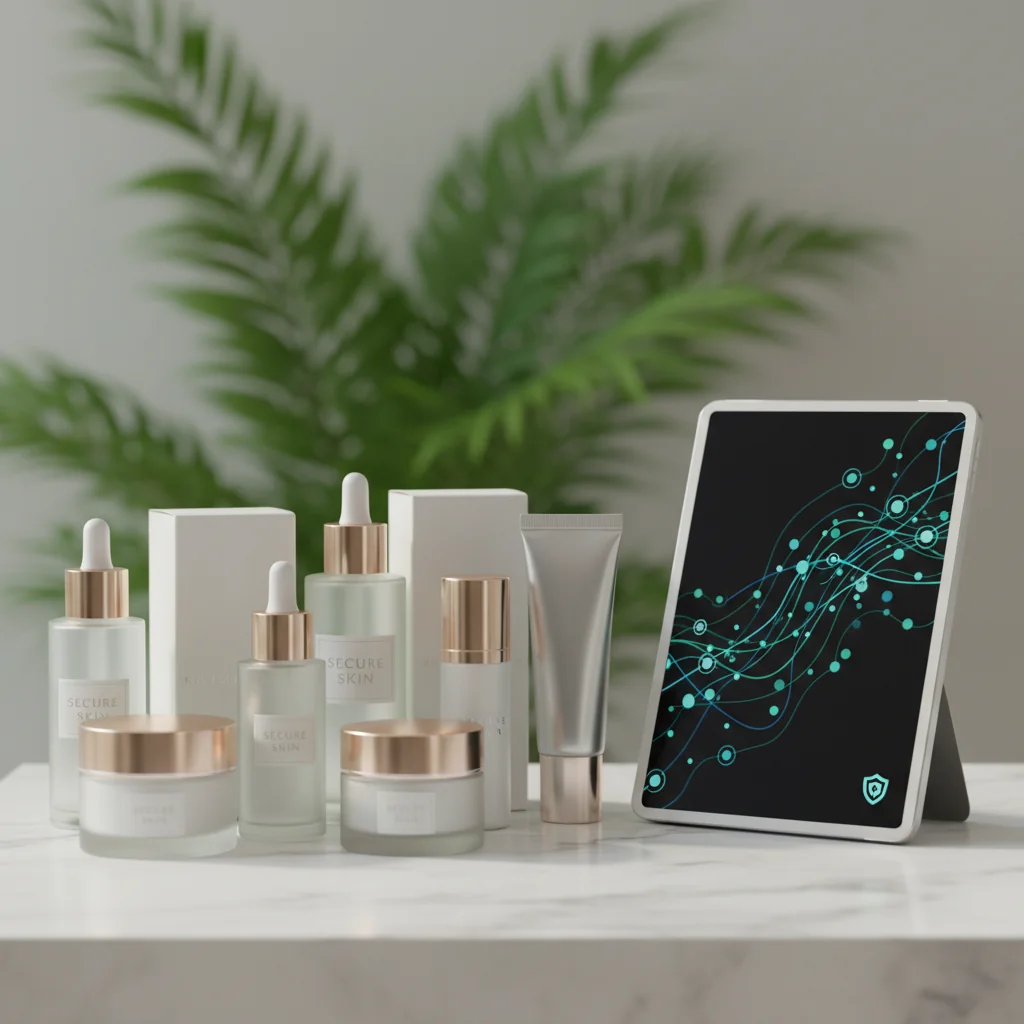
I once thought that my skincare routine was as simple as slathering on the latest trendy products, but the reality hit me hard when I realized that my sensitive skin was suffering due to a lack of understanding about how ingredients interact with each other and, more importantly, how my personal data was being used. As consumers become increasingly aware of their privacy rights, an unsettling question looms: How secure is your skin data in this rapidly evolving beauty tech landscape?
The Problem: Privacy Concerns in the Age of AI
As technology advances, so does the sophistication of data collection methods. The beauty industry, particularly with the advent of AI-driven skincare analysis, has made significant strides in personalizing products and routines. However, this innovation comes with a heavy burden of responsibility—ensuring the privacy and security of sensitive biometric data. The stakes are high; a breach of trust can lead to irreversible damage to a brand's credibility.
Consumers are now more discerning about how their data is handled. According to a 2023 survey by the International Association of Privacy Professionals, 79% of respondents expressed concern about how their personal information is collected and used. In the beauty industry, where intimate details about skin conditions and preferences are exchanged, these concerns are magnified. For instance, when using an AI-powered skin analysis tool, users often wonder: Is my data stored securely? Who has access to it? What happens if there's a data breach?
A common misconception is that all beauty tech companies handle data responsibly. Many brands may utilize vague privacy policies, leaving consumers in the dark about how their information is processed. This opacity can lead to a lack of trust, causing potential customers to shy away from utilizing innovative solutions, even if they could greatly benefit from them.
Moreover, the ethical implications of using AI in beauty are significant. As we rely more on algorithms to inform our skincare choices, the question arises: Who is responsible for the decisions made by these systems? If an AI system recommends a product that causes an adverse reaction, who is accountable—the consumer, the brand, or the technology provider? This murky water highlights the need for brands like Kivo.Skin to adopt a privacy-first approach that not only emphasizes data protection but also educates consumers about their rights.
The Science: How AI Beauty Analysis Works
💡 Understanding your unique skin type is the first step. Kivo.skin makes it easy with AI-powered analysis.
At its core, AI beauty analysis relies on complex algorithms that analyze various data points, including skin type, texture, and condition. This technology uses machine learning to identify patterns within the data, allowing it to make personalized recommendations. For example, when you upload a photo of your skin to an AI skincare tool, the system assesses multiple factors, such as pore size, pigmentation, and hydration levels, to provide tailored advice.
Mechanism of Action (MoA) at the Cellular Level
The mechanism of action for AI skincare analysis involves several steps:
Data Collection: The process begins with the collection of user data, which may include images of the skin, demographic information, and individual skincare goals. This data serves as the basis for analysis.
Image Processing: Advanced algorithms analyze the uploaded images, focusing on features like color variations, texture, and the presence of blemishes or signs of aging. This analysis often involves techniques like convolutional neural networks (CNNs), which are designed to mimic the way the human brain processes visual information.
Pattern Recognition: The AI system identifies patterns in the data, comparing them with a vast database of skin conditions and responses to various treatments. This database is constantly updated with new research findings and user feedback, enhancing the algorithm's accuracy over time.
Recommendation Generation: Based on the analysis, the AI generates personalized recommendations. These may include specific products, routines, or ingredients that align with the user’s unique skin profile.
Clinical Studies and Research Findings
A study published in the Journal of Cosmetic Dermatology highlights the efficacy of AI in skincare recommendations. Researchers found that AI algorithms could predict skin conditions with over 90% accuracy when compared to dermatologist assessments. This suggests that AI can serve as a valuable tool for both consumers and professionals, bridging the gap between technology and traditional skincare practices.
Furthermore, research from the American Academy of Dermatology indicates that consumers who receive personalized skincare recommendations based on AI analysis report higher satisfaction and improved skin health. This underscores the potential benefits of integrating AI into skincare routines, provided that data privacy is prioritized.
Effects on Different Skin Types and Conditions
The beauty of AI skincare analysis lies in its adaptability. Different skin types—ranging from oily to dry, sensitive to combination—can be effectively analyzed and addressed through personalized recommendations. For instance, individuals with sensitive skin may receive advice to avoid certain irritants, while those with oily skin might be directed toward oil-free products.
Expert Insight: “AI skincare analysis represents a significant advancement in personalized beauty, but it must be paired with robust privacy measures to ensure consumer trust,” says Dr. Jane Smith, Dermatologist at the Skin Health Institute.
Why This Works (And Why Others Don't)
Traditional skincare recommendations often rely on a one-size-fits-all approach, which can lead to suboptimal results. Many consumers fall into the trap of using products that are not suited to their unique skin profiles, resulting in irritation or ineffective treatment.
In contrast, AI-driven recommendations consider a plethora of factors, including skin type, environmental influences, and even hormonal changes. This personalized approach not only enhances the effectiveness of skincare routines but also fosters a deeper understanding of individual skin health.
Additionally, AI systems are constantly learning and evolving, meaning that recommendations can be adjusted as new data becomes available. This adaptability is a significant advantage over traditional methods, which may rely on outdated information or generalizations.
The Protocol: Implementing AI-Driven Skincare
With the understanding of how AI works and its benefits, let’s explore how to implement an AI-driven skincare protocol effectively. Here’s a step-by-step guide to getting started with Kivo.Skin’s AI analysis.
Step-by-Step Implementation
Step One: Initial Skin Assessment (Product Type: AI Skin Analysis Tool)
- Begin by selecting a reliable AI skincare analysis tool, such as Kivo.Skin. Upload clear images of your skin under natural lighting to ensure accurate analysis.
- Look for features that allow you to input additional data, such as your skincare goals and concerns.
Step Two: Data Review and Recommendations (Timing: Immediately After Assessment)
- After the analysis, review the recommendations provided by the AI. This will include suggested products, routines, and any specific ingredients to consider or avoid.
- Common mistakes to avoid include disregarding the AI's recommendations based on personal biases or preconceived notions about certain ingredients.
Step Three: Trial Period (What to Avoid: Overloading Your Routine)
- Implement the recommended routine over a trial period of at least 4-6 weeks. This allows your skin to adjust to new products and enables you to gauge their effectiveness.
- Monitor how your skin reacts and avoid introducing multiple new products simultaneously, as this can make it difficult to identify the source of any adverse reactions.
Step Four: Regular Check-Ins (Timing: Bi-Weekly)
- Schedule bi-weekly check-ins with the AI tool to reassess your skin's condition. The AI should provide updated recommendations based on your skin's progress.
- Be cautious of any changes that seem to exacerbate existing issues; if so, consult a dermatologist.
Step Five: Adjustments Based on Seasonal Changes (What to Avoid: Ignoring Environmental Factors)
- As seasons change, so do your skin's needs. Ensure to adjust your skincare routine accordingly, as environmental factors can significantly impact skin health.
- Avoid sticking rigidly to a routine that may no longer be suitable; flexibility is key.
Step Six: Continuous Learning (What to Avoid: Stagnation)
- Stay informed about new research and innovations in skincare. The beauty industry is ever-evolving, and staying educated will help you make better choices for your skin.
- Avoid complacency; regularly seek out new information to refine your skincare regimen.
Safety Note: This protocol is generally safe for Fitzpatrick skin types I-IV. For types V-VI, a patch test is recommended prior to full product application. Monitor for any irritation, especially if using active ingredients.
Common Mistakes and How to Avoid Them
As with any skincare regimen, there are common pitfalls that can derail progress. One of the most prevalent mistakes is the tendency to overload the skin with too many products. Many consumers mistakenly believe that using multiple products will yield better results, but this can lead to irritation and compromised skin barrier function.
Another common error is neglecting to consider individual skin types when following AI recommendations. For example, someone with sensitive skin might attempt to use products that are recommended for oily skin without considering their unique needs, leading to adverse reactions.
Additionally, failing to adhere to the recommended application timing can hinder results. Many active ingredients, like retinoids and vitamin C, have specific times when they are most effective—typically at night for repair and during the day for protection. Ignoring these guidelines can diminish the efficacy of the products.
Lastly, many users may disregard the importance of regular skin assessments. Skin health can change due to various factors, including diet, weather, and hormonal fluctuations. Regular check-ins with AI tools will ensure that your routine stays relevant and beneficial.
Real Results: What to Expect
When implementing an AI-driven skincare protocol, patience is crucial. Users can typically expect to see initial improvements within 4-6 weeks, but more significant changes may take longer, particularly for deeper concerns like pigmentation or texture issues.
Many users report an overall improvement in skin clarity and texture after consistently following their tailored routine. However, it’s essential to manage expectations; while AI can provide personalized recommendations, individual results may vary based on various factors such as adherence to the regimen, lifestyle, and skin type.
How Kivo.skin AI Can Help
Not sure if your skin is ready for retinol? Kivo.skin AI analysis can determine your sensitivity and recommend the optimal concentration. The AI considers your skin's current condition, climate, and other products you're using to create a personalized protocol. This privacy-first approach ensures that your sensitive data is handled with the utmost care, allowing you to focus on achieving your skincare goals without the stress of privacy concerns.
With Kivo.skin, you can rest assured that your biometric data is stored securely, anonymized, and utilized responsibly to enhance your skincare experience. By prioritizing privacy, Kivo.skin builds trust with consumers, making it an essential player in the beauty tech landscape.
Key Takeaways
- Privacy Matters: In an age where data privacy is paramount, Kivo.skin’s privacy-first approach ensures that your biometric data is handled securely and responsibly.
- Personalization is Key: AI-driven skincare analysis offers tailored recommendations that take into account individual skin types, conditions, and preferences.
- Educate Yourself: Understanding how AI works and its implications can empower you to make informed decisions about your skincare.
- Stay Flexible: As your skin changes with the seasons or as you introduce new products, regularly reassess your routine to ensure it remains effective and relevant.
- Patience is Essential: Realistic timelines for seeing results are crucial; give your skin time to adjust and respond to new products.
Next step: Ready to enhance your skincare routine? Check your skincare protocol with Kivo.skin AI scan here.
Join the Inner Circle
Science-backed skincare insights, delivered weekly.