Guide to How To Get The Best Lighting For Your AI Skin Scan
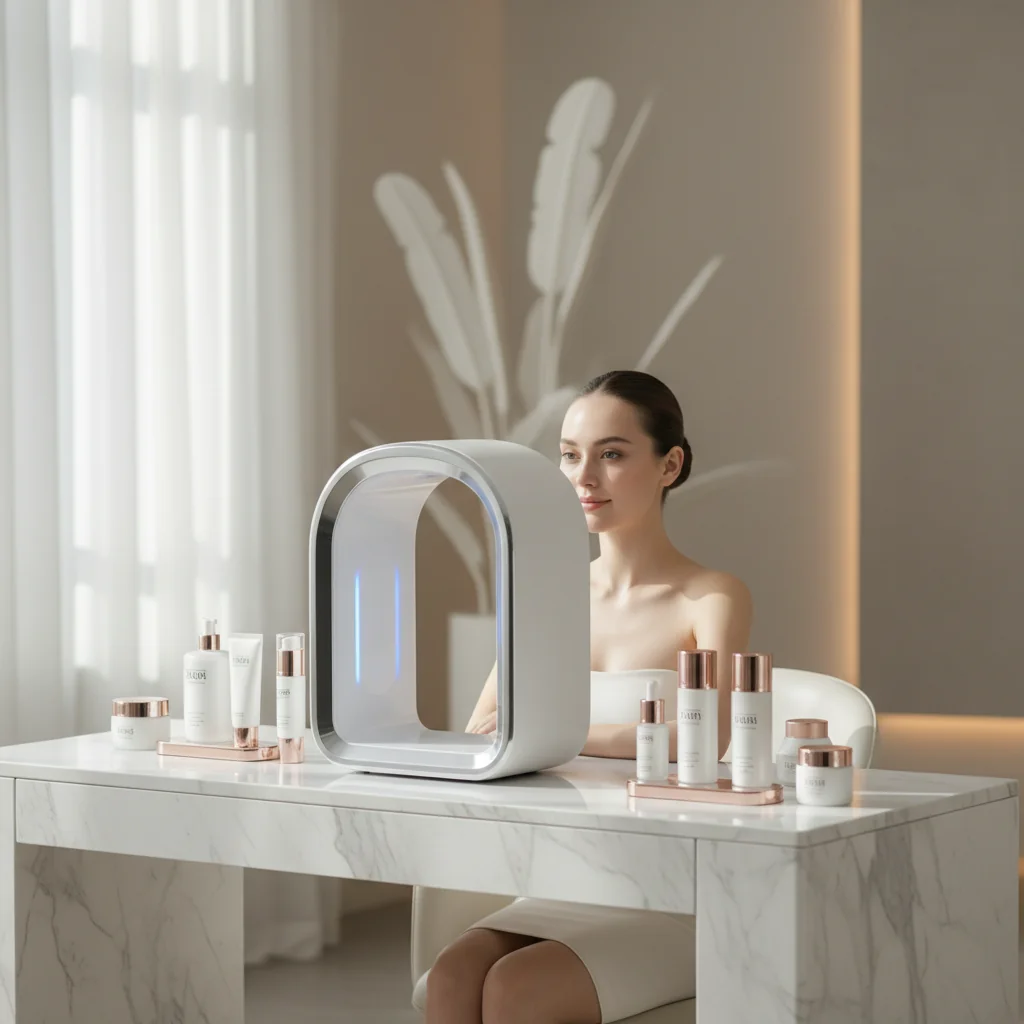
I destroyed my barrier with a 10-step routine so you don't have to. It’s a common scenario. You want to improve your skin, so you dive headfirst into the world of skincare, armed with the latest products and techniques. But instead of glowing skin, you end up with irritation, breakouts, and a confused complexion. One crucial factor often overlooked in this quest for perfect skin is the way you analyze it. The lighting conditions during an AI skin scan can significantly impact the results. If you’ve ever wondered why your skin looks different in various lights, you’re not alone.
The Problem: Why Lighting Matters
💡 Quick tip: Not sure what your skin needs? Kivo.skin can help you understand it in seconds.
💡 Before trying new products, know your skin. Get instant insights with Kivo.skin.
The human skin is a complex organ, and its appearance can change dramatically under different lighting conditions. This variability can lead to inaccurate assessments during an AI skin scan, which relies on precise measurements to provide tailored recommendations. Many people don’t realize that the color temperature and intensity of the light can influence the way skin conditions are perceived. For instance, harsh fluorescent lights can exaggerate imperfections, while soft natural light can create an illusion of smoothness.
Imagine this: you stand in front of a mirror, and your skin looks radiant under warm, golden sunlight. Yet, when you switch to the stark white light of your bathroom, you notice every pore, wrinkle, and blemish. This discrepancy can lead to a misinterpretation of your skin’s condition. The AI analysis may suggest treatments based on these flawed readings, leading to ineffective or even harmful recommendations.
Moreover, many skincare enthusiasts fail to consider the importance of consistent lighting when performing their skin scans. If you take photos in various lighting conditions, your AI skin analysis may yield inconsistent results. This inconsistency can confuse the algorithm, leading to recommendations that don’t align with your actual skin needs. The key is to create an environment that minimizes these discrepancies to ensure accurate readings.
The Myth of “Perfect Lighting”
Another common misconception is the idea that there is a “perfect” lighting condition for skin analysis. While natural daylight is often touted as the best option, it can also vary throughout the day. The angle of the sun, the time of year, and even the weather can affect how your skin appears. Many people believe that simply taking a scan in the morning sunlight will yield the best results, but this can be misleading.
Additionally, artificial lighting can also play a role in how your skin is perceived. For example, LED lights can sometimes create a blue hue, which can mask redness or pigmentation issues. On the other hand, incandescent bulbs may warm up the skin tones, making imperfections less visible. The challenge lies in finding a consistent environment that can replicate the same lighting conditions for every scan.
The Science: How Lighting Affects Skin Analysis
To understand the impact of lighting on skin analysis, we need to delve into the science of how light interacts with skin. Skin reflects and absorbs light differently based on its texture, pigmentation, and the presence of underlying conditions. The spectral composition of light—its wavelengths—can significantly alter the appearance of skin.
What is Spectral Composition?
Spectral composition refers to the different wavelengths of light that make up the visible spectrum. Each wavelength affects how we perceive colors and textures. For instance, ultraviolet (UV) light can reveal sun damage that is not visible under normal lighting conditions. On the other hand, infrared (IR) light can penetrate deeper layers of the skin, revealing vascular structures and underlying issues.
A study published in the Journal of Investigative Dermatology highlights how different lighting conditions can affect skin analysis. Researchers found that certain wavelengths can enhance the visibility of melanin and hemoglobin, allowing for a more accurate assessment of pigmentation and vascular conditions. This is crucial for AI skin analysis, which relies on detecting these elements to provide personalized recommendations.
Mechanism of Action (MoA) at Cellular Level
When light hits the skin, it interacts with various cellular components, including keratinocytes, melanocytes, and fibroblasts. Keratinocytes, the predominant cells in the epidermis, play a crucial role in the skin's barrier function. They respond to light by producing melanin, which protects the skin from UV damage. However, excessive UV exposure can lead to overproduction of melanin, resulting in hyperpigmentation.
Melanocytes, responsible for pigmentation, can also be influenced by light exposure. Under specific wavelengths, they may become more active, leading to changes in skin tone. This is particularly relevant for individuals with darker skin tones (Fitzpatrick types IV-VI), as they may be more susceptible to hyperpigmentation when exposed to certain lighting conditions.
Fibroblasts, which produce collagen and elastin, are sensitive to light as well. The right lighting can help highlight the overall texture and firmness of the skin, while harsh lighting may exaggerate fine lines and wrinkles.
Clinical Studies and Research Findings
Research indicates that lighting can significantly impact the diagnosis of various skin conditions. A study published in Dermatology demonstrated that photographs taken under different lighting conditions led to varying assessments of acne severity. Participants rated the severity of their acne differently based on lighting, which underscores the importance of consistent lighting for accurate skin analysis.
Moreover, a study in JAMA Dermatology examined the effects of different light sources on skin imaging. The researchers found that images taken under natural daylight provided better contrast and clarity for assessing skin lesions compared to those taken under artificial light. This finding emphasizes the need for optimal lighting conditions when performing AI skin scans.
Variations Across Skin Types and Conditions
Different skin types and conditions may respond uniquely to lighting. For example, individuals with oily skin may find that their skin appears shinier under certain lights, potentially leading to an overestimation of oiliness during an AI scan. Conversely, dry skin may look dull and uneven, leading to recommendations that may not be suitable.
Sensitive skin conditions, such as rosacea, can also be affected by lighting. Under bright, direct light, redness may be exacerbated, leading to an inaccurate assessment of the condition. Therefore, understanding how your specific skin type interacts with various lighting conditions is crucial for accurate AI skin analysis.
Expert Insight: “Lighting is a critical factor in skin assessment. The right conditions can reveal underlying issues that may not be visible in poor lighting. It's essential to standardize your environment for the most accurate results.” — Dr. Shereene Idriss, Board-Certified Dermatologist, New York.
Why This Works (And Why Others Don't)
The importance of standardized lighting can’t be overstated. Many skincare enthusiasts rely on inconsistent lighting conditions, leading to flawed analyses and ineffective treatment recommendations. For instance, some may take their scans in dimly lit rooms, while others may do so in brightly lit areas with harsh fluorescent lights. This variability leads to confusion and can exacerbate skin concerns rather than alleviate them.
In contrast, creating a controlled lighting environment can enhance the accuracy of the AI skin scan. By using consistent lighting that mimics natural daylight, you can ensure that the AI system has the best possible data to work with. This approach allows for more precise recommendations tailored to your skin's unique needs.
The Protocol: How to Get the Best Lighting for Your AI Skin Scan
Achieving the best lighting conditions for your AI skin scan involves careful planning. Here’s a detailed step-by-step protocol to ensure you get the most accurate results.
Step-by-Step Implementation
Choose the Right Time of Day (Natural Light)
- Aim for mid-morning or late afternoon when the sunlight is softer.
- Avoid direct sunlight, as it can create harsh shadows and overexposure.
Set Up in a Controlled Environment
- Find a room with large windows that allow for ample natural light.
- Avoid rooms with artificial lighting, as this can alter your skin's appearance.
Use a Tripod or Stable Surface
- To maintain consistency, use a tripod or place your phone on a stable surface.
- Ensure that the camera lens is at eye level to capture a true representation of your skin.
Eliminate Distractions
- Ensure there are no reflective surfaces nearby that could interfere with the lighting.
- Close curtains or blinds to minimize the influence of outside light sources.
Check Your Skin's Condition
- Ensure your skin is clean and free of products before taking the scan.
- This will provide a baseline for the AI analysis and prevent any product interference.
Use the Same Lighting for Every Scan
- Consistency is key. Make sure to replicate the same lighting conditions each time you perform an AI skin scan.
- This will help the algorithm learn and provide better recommendations over time.
Safety Note: Always ensure your skin is in a calm state before taking a scan. Avoid taking scans after strenuous activities or during times of high stress, as this can affect your skin's appearance.
Common Mistakes and How to Avoid Them
Many people make common mistakes when preparing for their AI skin scans, which can lead to inaccurate results. One frequent error is taking scans in varying lighting conditions. This inconsistency can confuse the AI, leading to recommendations that don’t reflect your skin’s actual needs.
Another mistake is failing to clean the skin properly before a scan. Residual products can alter how the skin appears, leading to misleading analyses. Make sure to cleanse your skin thoroughly and allow it to dry completely before scanning.
Additionally, many individuals overlook the importance of taking multiple scans in different angles and distances. A single scan may not capture all aspects of your skin condition. Instead, take several scans to provide a comprehensive view for the AI analysis.
Finally, relying solely on artificial lighting can lead to misinterpretation of skin conditions. If you must use artificial light, opt for soft, diffuse lighting rather than harsh fluorescent bulbs.
Real Results: What to Expect
When you take the time to set up the best lighting conditions for your AI skin scan, you can expect more accurate and tailored recommendations. Ideally, you’ll notice that the AI analysis aligns closely with your skin’s actual condition, leading to effective product suggestions and routines.
However, it’s essential to manage your expectations. While improved lighting can enhance the accuracy of the scan, it won’t change the underlying issues. You may still need to address specific skin concerns with targeted treatments, but the insights gained from a well-executed scan will be far more reliable.
Over time, as you maintain consistent lighting conditions for your scans, you may find that the AI becomes increasingly adept at recognizing patterns and providing personalized advice. This can lead to a more effective skincare routine tailored to your unique needs.
How Kivo.skin AI Can Help
Not sure if your skin is ready for retinol? Kivo.skin AI analysis will determine your sensitivity and recommend the optimal concentration. The AI considers your skin's current condition, climate, and other products you're using to create a personalized protocol. By ensuring that you perform your scans in the right lighting conditions, Kivo.skin AI can provide insights that are truly reflective of your skin’s health.
Moreover, Kivo.skin’s commitment to privacy-first technology means you can trust that your data is secure while receiving expert-backed recommendations tailored to your skin type. With the right lighting and Kivo.skin’s advanced AI analysis, you can take your skincare routine to the next level.
Key Takeaways
- The lighting conditions during your AI skin scan can significantly influence the results and recommendations.
- Consistent lighting, ideally mimicking natural daylight, is crucial for accurate skin analysis.
- Common mistakes, such as varying lighting conditions and not properly cleansing the skin, can lead to misleading results.
- Over time, maintaining optimal lighting conditions will enhance the AI's ability to provide personalized skincare advice.
- Kivo.skin’s AI analysis offers tailored recommendations based on the accurate data collected from your scans in the right lighting.
Next step: Ready to elevate your skincare routine? Check your skincare protocol with Kivo.skin AI scan for personalized insights.
Join the Inner Circle
Science-backed skincare insights, delivered weekly.