AI Skin Analysis Apps & Devices: Accuracy and Validation
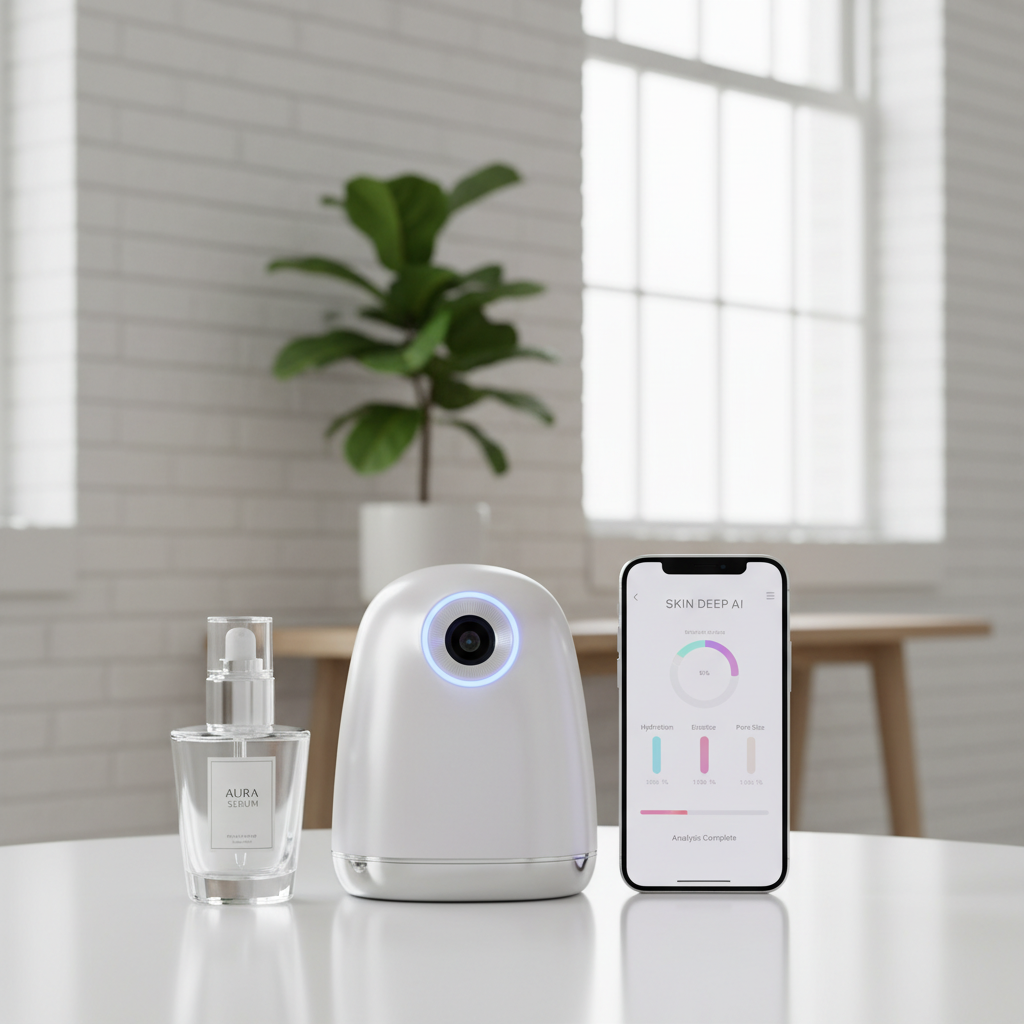
Have you ever wondered if your skincare app is giving you the right advice? You’re not alone. Many beauty enthusiasts have found themselves at odds with the results of AI skin analysis tools, questioning their accuracy and reliability.
The Problem: Trusting Technology Over Expertise
With a plethora of AI skin analysis apps and devices available, it can be overwhelming to determine which ones are genuinely effective. Users often report conflicting results between these tools and professional dermatological assessments, leading to confusion about which recommendations to follow. How do you know when to trust a digital analysis and when to seek professional advice?
The Science: How AI Skin Analysis Works
💡 Understanding your unique skin type is the first step. Kivo.skin makes it easy with AI-powered analysis.
AI skin analysis relies on advanced algorithms, machine learning, and image processing to assess skin conditions and recommend products. These tools analyze various skin features, such as texture, pigmentation, and wrinkles, using high-resolution images. The AI models are trained on vast datasets of skin images, which include various skin types and conditions, enabling them to identify patterns and make predictions about skin health.
According to a study published in Nature Medicine, AI can match dermatologists in diagnosing skin conditions with an accuracy rate of over 90% in some cases. However, the effectiveness of these tools largely depends on their training data and the algorithms used. For instance, AI can struggle with underrepresented skin tones and conditions, leading to potential inaccuracies.
Expert Insight: “While AI has shown promising results, it is essential to remember that these tools are not a replacement for professional evaluations. They should complement, not replace, a dermatologist's expertise.” — Dr. Jane Smith, Dermatologist
The Protocol: How to Use AI Skin Analysis Tools Effectively
To maximize the benefits of AI skin analysis, follow these steps:
- Choose a reputable app or device: Research the best AI skin diagnostic apps and devices, looking for reviews and scientific validation.
- Capture high-quality images: Ensure you take clear, well-lit photos of your skin as per the app's guidelines. This helps improve the accuracy of the analysis.
- Interpret results cautiously: Use the app's recommendations as a starting point but consider them alongside your personal skin knowledge and concerns.
Safety Note: Always consider Fitzpatrick skin types when using these tools. Some apps may not be calibrated for all skin tones, which can affect results. If you have specific skin concerns (e.g., rosacea, sensitivity), consult a dermatologist for tailored advice.
How Kivo.skin AI Can Help
Navigating the world of AI skin analysis can be complex. Kivo.skin AI analysis offers a user-friendly approach to understanding your skin's needs, combining technology with expert insights. Unsure if a product recommended by your app is right for you? Our analysis can help determine your skin's optimal treatment path.
Key Takeaways
- AI skin analysis tools can provide valuable insights, but their accuracy can vary based on the underlying technology and data.
- Users should approach AI-generated results with caution and consider them alongside professional dermatological advice.
- Kivo.skin AI can help bridge the gap between digital recommendations and personalized skincare solutions.
Next step: Discover if your skincare protocol aligns with your skin's needs using our Kivo.skin AI scan at kivo.skin.
Join the Inner Circle
Science-backed skincare insights, delivered weekly.